The Cost of Living on Whidbey Island: A Local’s Guide to the Numbers in 2026
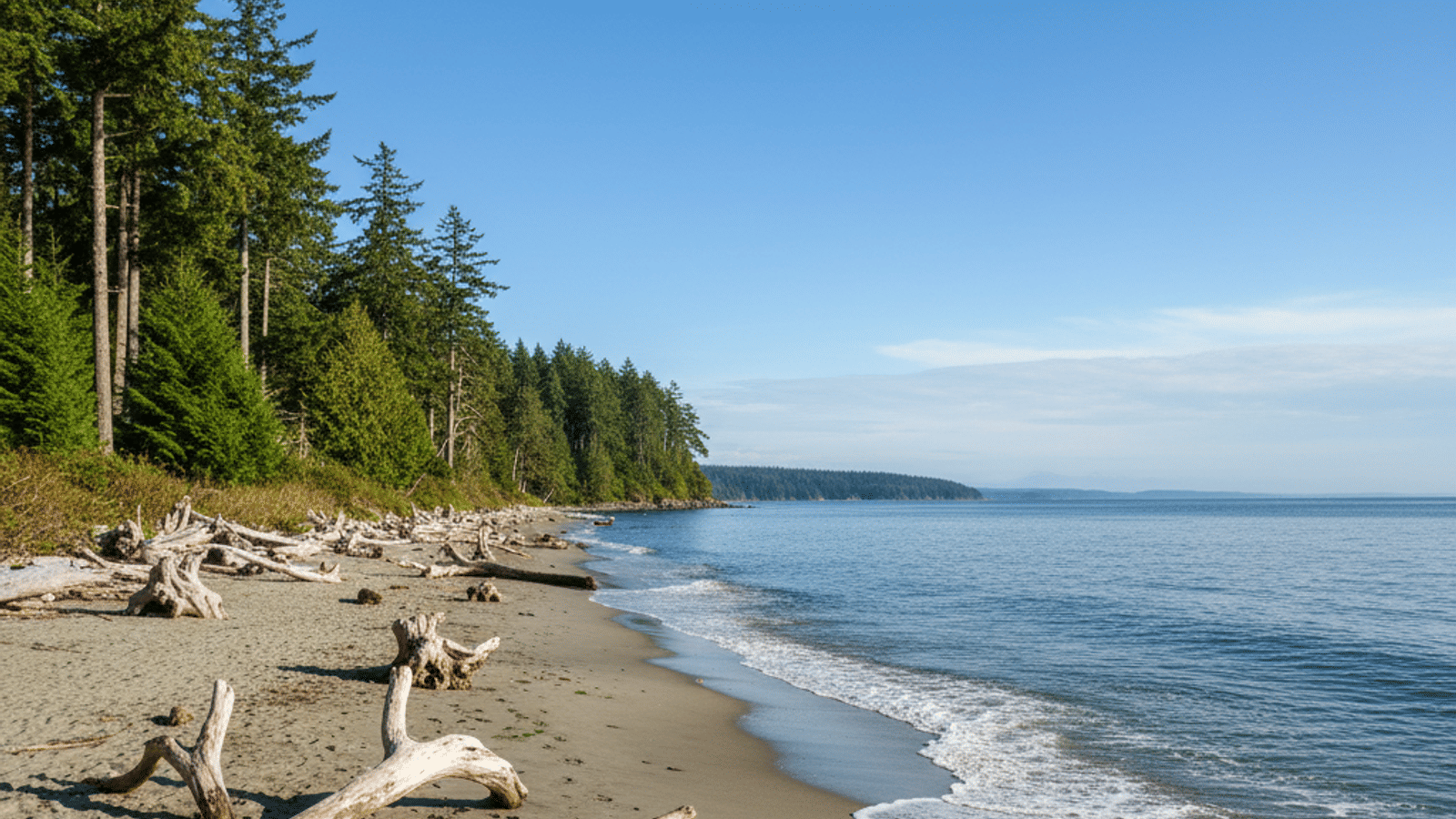
If you are thinking about moving to Whidbey Island, you are probably trying to figure out if the financial trade-off makes sense. It is a common conversation I have with buyers: they love the idea of island life—the beaches, the trees, the slower pace—but they need to know if the numbers actually work.
The short answer is that Whidbey offers a significantly lower cost of living than Seattle or Bellevue, but it is still higher than the national average. However, "Whidbey Island" isn't just one economic zone. It is really three distinct areas: North Whidbey (Oak Harbor), which is anchored by the military and is generally more affordable; Central Whidbey (Coupeville), which is historic and agricultural; and South Whidbey (Langley/Clinton), which serves as a bedroom community for Seattle and carries a higher price tag.
Living here comes with what locals sometimes call the "Island Tax"—convenience items often cost a bit more, and you might spend more on gas or ferries. However, in exchange, your housing dollar usually buys you more square footage and land than it would on the mainland. As of early 2026, while inflation has stabilized somewhat, we are still seeing gradual increases in ferry fares and utilities that you will want to budget for.
Housing Costs: Rent and Home Prices by Region
Housing is going to be your biggest monthly expense, and where you land on the map dictates what you pay. There is a sharp price gradient as you move from north to south.
North Whidbey (Oak Harbor) Oak Harbor is the volume leader for real estate on the island. The inventory here is heavily influenced by NAS Whidbey Island. Because military personnel rotate in and out frequently, the market is active. As of early 2026, the median home price in the Oak Harbor area hovers between $520,000 and $630,000. You can still find comfortable single-family homes here for significantly less than you would pay in Snohomish or King County.
South Whidbey (Langley & Clinton) Once you head south, the dynamic changes. Because this area is a manageable ferry ride to the mainland workforce, pricing tracks closer to Seattle suburbs. Expect median home prices to range from $650,000 to over $800,000, especially for properties with views or acreage.
The Rental Market If you aren't ready to buy, be aware that the rental market is tight. In Oak Harbor, rents often align with military Basic Allowance for Housing (BAH) rates. For reference, in 2026, an E-5 with dependents receives an allowance around $2,073, while an O-3 receives closer to $3,105. Landlords know these numbers, so they effectively set the floor and ceiling for local rents.
In Coupeville and Langley, long-term rentals are even harder to find because many property owners favor short-term vacation rentals (Airbnbs). If you do find a spot in the south end, a 2-bedroom unit can easily push past $2,200 a month.
Utilities and Infrastructure Expenses
When you live on an island, utilities aren't always as simple as just calling the power company. Depending on how rural your property is, your infrastructure costs can vary wildly.
Electricity and Heating Puget Sound Energy (PSE) covers the island. Rates have seen increases in 2025 and 2026. Since many homes here—especially older cabins—rely on electric baseboard heat or ductless mini-splits, winter bills can be a shock. You might pay $130 in the summer, but that can easily jump to $250 or more during a cold, damp January.
Water and Septic If you live within city limits in Oak Harbor, Coupeville, or Langley, you will have a standard water and sewer bill, typically running $60 to $120 per quarter. However, a huge portion of Whidbey Island homes for sale are on private wells and septic systems.
Wells: You don't have a monthly bill, but you are responsible for pump maintenance and filtration (hard water is common).
Septic: No monthly sewer bill, but you need to budget for inspections and pumping every few years, which can cost several hundred dollars.
Internet and Connectivity If you work remotely, check the address before you sign a lease or contract. In South Whidbey, Whidbey Telecom provides excellent service, including fiber in many areas. In North Whidbey, Comcast/Xfinity is the main player. High-speed packages generally run $80 to $110 per month.
Transportation: The Ferry vs. Bridge Factor
This is the second most important budget factor after housing. Your location determines whether you pay in "dollars" or "time."
The North End: The Deception Pass Bridge If you live in Oak Harbor, you can drive onto the mainland via the Deception Pass Bridge for free. The financial cost is zero, but the time cost is significant. It is about a 45 to 60-minute drive just to reach I-5 in Burlington or Mount Vernon. If you commute to Everett or Seattle from here, you are looking at significant gas mileage.
The South End: The Mukilteo-Clinton Ferry For residents in Clinton or Langley, the ferry is your lifeline. Washington State Ferries charges for the car and the driver. A standard round trip can range from $15 to $25 depending on seasonal surcharges.
Commuters: Most daily commuters buy a monthly pass, which offers a discount of roughly 20-30%.
Wait Times: Remember that the cost isn't just the ticket; it's the wait. Summer weekends can see multi-hour lines, which might affect your fuel consumption and sanity.
Gas and Public Transit Gas prices on the island are typically 10 to 20 cents higher per gallon than on the mainland. Many locals fill up at the Costco in Burlington to save money. However, a major budget saver is Island Transit, which offers fare-free bus service throughout the island. It is a fantastic resource that many locals utilize to cut down on transportation costs.
Groceries, Goods, and the "Island Markup"
There is a definite trade-off between convenience and cost when it comes to stocking your pantry.
North Whidbey Convenience Oak Harbor feels the most like a mainland suburb. You have access to a Super Walmart, Safeway, and Haggen. Prices here are competitive—roughly 4% higher than the national average but generally lower than downtown Seattle.
South Whidbey Charm (and Price) In Langley and Coupeville, you won't find big-box stores. You will rely on smaller, independent grocers like The Star Store or Payless Foods. These places offer great local products, but you will pay a premium for them.
The "Town Run" To manage the "Island Markup," many residents adopt the habit of the "Town Run." Once or twice a month, they drive off-island to Burlington or Mount Vernon to hit Costco, WinCo, or Home Depot. Buying in bulk on the mainland is a common strategy to keep the monthly grocery budget in check.
Taxes, Insurance, and Hidden Fees
When calculating your monthly payment, don't forget the non-mortgage costs.
Property Taxes The good news is that Island County generally has lower property tax rates than King County. The effective tax rate usually lands between 0.9% and 1.1% of the assessed value. On a $500,000 home, you might expect a tax bill in the $4,500 to $5,500 range per year.
Insurance Considerations Homeowners insurance rates have been climbing across Washington, and Whidbey is no exception. If you are looking at waterfront properties or homes near bluff edges, you may need specialized flood or earthquake coverage, which can be expensive. Always check the flood maps before making an offer.
No Income Tax It is worth repeating that Washington has no state income tax. For retirees or high-income remote workers moving from states like California or Oregon, this savings alone can sometimes offset the higher cost of ferries or groceries.
Healthcare and Service Costs
Access to healthcare is a vital part of the cost-of-living equation, especially for retirees.
Medical Access WhidbeyHealth in Coupeville is the island's primary hospital, and there is a Naval Health Clinic in Oak Harbor for military families. However, for major specialists or complex procedures, residents often travel to Providence in Everett or Swedish/UW in Seattle. You should budget for ferry fares and travel time for these appointments.
Childcare For families with young children, childcare is one of the steepest expenses. High demand and limited facilities mean waitlists are long. Costs are comparable to mainland suburbs, often running $1,200 to $1,800 per month for full-time care, assuming you can secure a spot.
Comparison: Whidbey Island vs. Seattle & Everett
So, how does it all shake out?
Compared to Seattle: Whidbey is significantly cheaper. Moving from a neighborhood like Ballard or West Seattle to Oak Harbor can save you 30-40% on housing costs. You get more space, a yard, and quiet for your money.
Compared to Everett: Housing costs in South Whidbey are somewhat comparable to nice parts of Everett/Snohomish. The difference is lifestyle. In Everett, you are paying for proximity to jobs; on Whidbey, you are paying for nature and community.
Ultimately, living here is a trade. You are usually trading a longer commute and ferry costs for lower property taxes and a more relaxed lifestyle.
Frequently Asked Questions
Is it expensive to live on Whidbey Island?
It depends heavily on where you settle. North Whidbey (Oak Harbor) is relatively affordable and comparable to many US suburbs, while South Whidbey (Langley) is expensive and priced closer to the Seattle area. Overall, it is cheaper than living in the city of Seattle but more expensive than the rural Midwest.
How much is the ferry from Whidbey Island to Seattle?
The ferry runs from Clinton to Mukilteo. As of 2026, a standard car and driver costs between $15 and $25 each way, depending on the season. Walk-on passengers pay significantly less, and frequent commuters can buy monthly passes to save roughly 20% to 30%.
Does Whidbey Island have high property taxes?
Compared to King County (Seattle), Island County property taxes are generally reasonable. The effective rate is typically around 0.9% to 1.1% of the assessed home value. Additionally, Washington State does not have a personal income tax, which helps balance the overall tax burden.
Is Oak Harbor cheaper than Langley?
Yes, Oak Harbor is generally much cheaper than Langley. Because of the naval base and higher housing density, Oak Harbor offers more entry-level homes and apartments. Langley has a limited supply of homes, larger lots, and high demand from second-home buyers, keeping prices higher.