Escape to Whidbey: The Ultimate Island Getaway
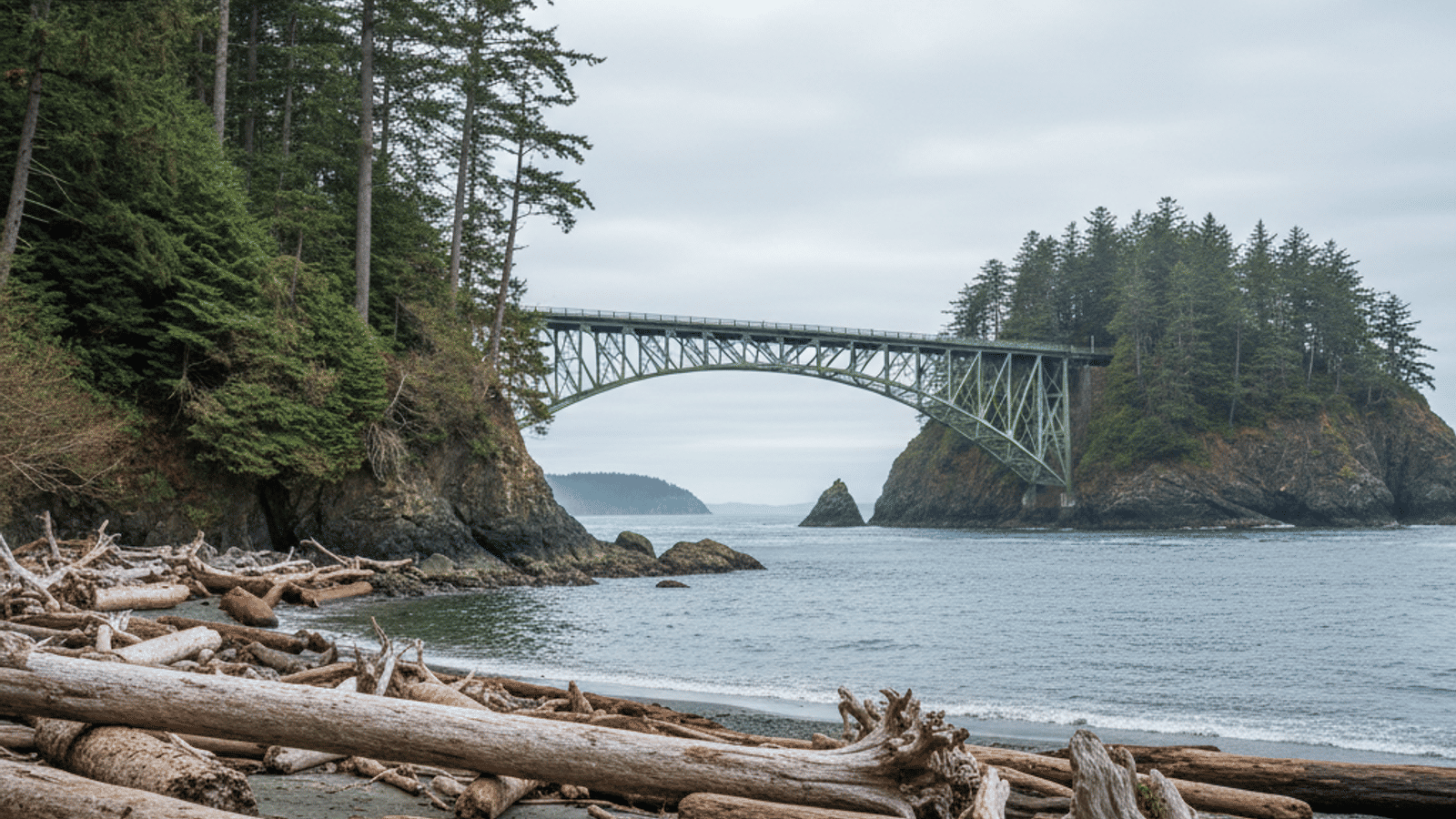
If you’re sitting in Seattle or Vancouver traffic dreaming of a break, Whidbey Island is the answer.
As of early 2026, Whidbey remains one of the most accessible escapes in the Pacific Northwest. It sits roughly 30 miles north of Seattle, but it feels like a different world entirely. Stretching about 58 miles from top to bottom, it is one of the longest islands in the continental U.S., offering a massive variety of landscapes. You get the rugged wilderness of the north, the historic charm of the central farmland, and the artsy, village vibes down south. Whether you are looking for a romantic weekend or a multi-generational road trip, here is how to make the most of your island time.
Outdoor Adventures & State Parks
When people ask about things to do in Whidbey Island WA, the conversation almost always starts with the outdoors. The island is essentially one giant park, but there are a few specific spots where the views are truly unbeatable.
Deception Pass State Park This is the crown jewel of the Washington State Park system. You have likely seen photos of the iconic Deception Pass Bridge, but walking across it is a whole different experience—windy, high, and spectacular. Once you are on the Whidbey side, head down to North Beach for driftwood and views of the bridge from below. For a great hike that isn’t too strenuous, try the Goose Rock Perimeter Hike.
Local note: As of early 2026, the pier at Bowman Bay remains closed indefinitely due to previous storm damage, so check the park website before hauling your fishing gear down there.
Ebey’s Landing If I had to pick one hike to show off the island to a newcomer, this is it. The bluff trail at Ebey’s Landing National Historical Reserve offers sweeping views of the Olympic Mountains across the water and the historic farmland below. It is arguably one of the best coastal walks in the state.
Beaches and Forests For a mix of art and nature, check out the Price Sculpture Forest near Coupeville. It’s a newer attraction where outdoor sculptures are hidden along the trail system—it’s like a gallery hunt in the woods. If you have a dog, Double Bluff Beach is the place to go. It offers a massive stretch of sand where dogs can run off-leash, and when the tide is low, it’s a popular spot for clamming (just make sure you have your license).
Passes: You will need a Washington Discover Pass for the state parks. It’s $10 for a day pass or $45 for the annual pass.
Step Back in Time: Forts & History
Because of its location at the entrance to Puget Sound, Whidbey has a deep military history. It’s not just dry textbook stuff; the history here is tactile and incredibly scenic.
Fort Casey Historical State Park This was part of the "Triangle of Fire," a defense system built to protect the Sound more than a century ago. Today, you can explore the massive concrete bunkers (bring a flashlight; it gets dark in there) and walk through the batteries. The park is also home to the Admiralty Head Lighthouse, which is a fantastic spot for photos and learning about maritime history.
Coupeville’s Maritime Heritage Coupeville is Washington’s second-oldest town, and you can feel it when you walk the streets. The Coupeville Wharf, with its iconic red building, jutting out into Penn Cove is a must-see. It’s one of the most photographed spots on the island. If you want to dig deeper, the Island County Historical Museum is right in town and does a great job connecting the local farming history with the maritime past.
Town Hopping: Where to Eat, Shop, and Stroll
Whidbey is long and skinny, and vibe changes distinctly as you drive from the south end to the north. I always recommend spending a little time in each of the three main hubs to get the full experience.
Langley (The Village by the Sea) Located on the south end, Langley feels very artsy and secluded. It is perfect for couples or anyone looking to browse galleries. You can catch a movie at the historic Clyde Theatre or ring the whale bell at Seawall Park if you spot a gray whale.
Keep an eye out: The town is famous for its feral bunnies. You’ll see them hopping around town, and they are practically local mascots at this point.
Coupeville Central Whidbey is the heart of the island’s history. Beyond the wharf, the downtown area is full of charming storefronts and water views. It famously served as the filming location for the movie Practical Magic, and you can still see many of the buildings featured in the film. It feels a bit more sleepy and nostalgic than the other towns.
Oak Harbor Up north, Oak Harbor is the largest city on the island and home to the Naval Air Station. It has a different energy—more commercial, more bustle, and occasionally the roar of Navy jets overhead. It’s a convenient base camp if you are exploring Deception Pass or want to visit the PBY Naval Air Museum to see the seaplane history.
Local Flavors: Mussels, Pies, and Wine
You cannot visit Whidbey without eating your way through it. The island’s agricultural roots run deep, and that shows up on the plate.
Penn Cove Mussels These are world-famous for a reason. They are grown right here in Coupeville’s Penn Cove. You can see the rafts from the shore. Most local restaurants serve them fresh, but Front Street Grill and Toby’s Tavern in Coupeville are legendary spots to grab a bowl. If you are here in March, you might catch the annual MusselFest, which is a massive draw.
Greenbank Farm This isn't just a farm; it's a community hub. Located at the skinny "waist" of the island, Greenbank Farm has walking trails, gardens, and shops. The real star here is Whidbey Pies. Their loganberry pie is a local icon—sweet, tart, and best eaten after a walk on the trails. The farm also hosts a cheese shop and wine tasting room.
Sipping Local If you enjoy spirits, stop by Whidbey Island Distillery. They are well known for their berry liqueurs, particularly the loganberry and blackberry, which taste like summer in a glass. There are also numerous tasting rooms in Langley and Bayview for wine enthusiasts.
Unique & Rainy Day Activities
We live in the Pacific Northwest, so rain is part of the deal. Fortunately, the island has plenty of character even when the weather turns gray.
Blue Fox Drive-In This is a true classic. The Blue Fox in Oak Harbor is one of the last remaining drive-in theaters in Washington, and unlike most, it is open year-round. It’s not just movies; they have a go-kart track and a massive arcade. It’s a nostalgic night out for anyone. Just a heads-up: it is first-come, first-served, so you’ll want to arrive early to snag a good spot.
Whale Watching Whidbey is a prime spot for whale enthusiasts. You can visit the Langley Whale Center to learn about the local pods. Gray whales usually stop by in the spring (creating the "Welcome the Whales" celebration), while Orcas can be seen year-round. You can book a boat tour or just get lucky spotting them from the shore at places like Bush Point.
Meerkerk Gardens If you are visiting in April or May, Meerkerk Gardens is spectacular. It’s a woodland garden famous for its rhododendrons. Even in the off-season, it’s a peaceful place to walk through the trees and see what’s blooming.
Planning Your Visit: Ferries and Logistics
Getting here is part of the adventure, but it requires a little strategy. You have two main entry points: driving onto the north end via the Deception Pass Bridge (usually from I-5 via Burlington) or taking the ferry from Mukilteo to Clinton on the south end.
The Ferry Shuffle If you are taking the Mukilteo-Clinton ferry, check the ferry schedule and tips before you leave. In the summer and on weekends, wait times can easily exceed two hours.
Fares: As of 2026, a standard vehicle is roughly $12.05, and passengers are about $6.95.
Pro Tip: You pay the driver/vehicle fare both ways. However, passenger walk-on fares are generally only charged on the way to the island (leaving Mukilteo).
Best Time to Visit Summer (July through September) offers the best weather, but also the biggest crowds. The "shoulder season" of February through May is actually a local favorite. It’s quieter, the gray whales are migrating, and accommodation prices dip slightly.
Frequently Asked Questions
Do you need a car on Whidbey Island?
Yes, having a car is highly recommended. The island is rural and spread out over nearly 60 miles. While there is a free transit system (Island Transit), it can be slow and doesn't reach every trailhead or attraction you’ll want to see.
How long is the ferry ride to Whidbey Island?
The actual crossing from Mukilteo to Clinton takes about 20 minutes. However, you should factor in time for ticket purchasing and waiting in the holding lanes, which can range from 30 minutes to over two hours depending on the season and time of day.
Is Whidbey Island worth visiting in the winter?
Absolutely. Winter offers a cozy atmosphere perfect for storm watching, reading by a fire, and enjoying the towns without the summer crowds. Plus, destinations like the Blue Fox Drive-In and the museums stay open year-round.
What is the best town to stay in on Whidbey Island?
It depends on the vibe you want. Choose Langley if you want walkability, art galleries, and a romantic seaside feel. Pick Coupeville if you want a central location with deep history. Choose Oak Harbor if you are looking for more budget-friendly hotels and easy access to box stores and Deception Pass.