Whidbey Island vs. Port Townsend: Choosing Your Pacific Northwest Haven
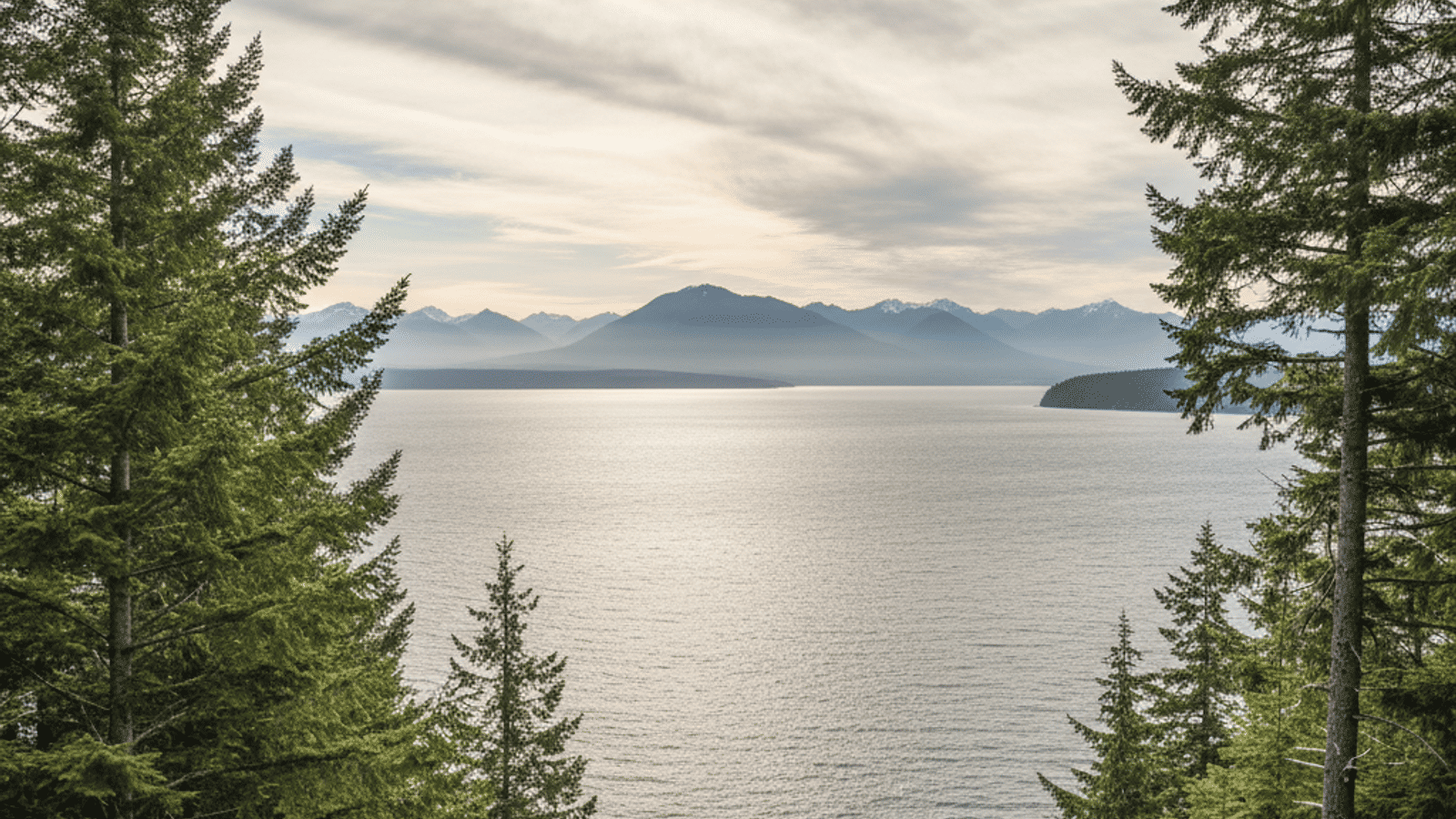
If you are looking at relocating to Washington, you have likely narrowed your search to the Puget Sound’s two heavy hitters for charm and scenery: Whidbey Island and Port Townsend.
On paper, they look similar. Both offer sweeping water views, thriving art scenes, and that distinctive Pacific Northwest grey-to-green palette. But once you spend time on the ground, you realize the daily rhythm is vastly different. Whidbey is a sprawling, 55-mile-long island composed of distinct communities, while Port Townsend is a concentrated Victorian seaport on the tip of the Quimper Peninsula.
Choosing between them usually comes down to lifestyle preference: do you want the walkability of a historic town, or do you prefer the rural, spread-out feel of island life? Let’s break down the differences to help you decide which side of the Sound belongs on your shortlist.
The Vibe: Victorian Seaport vs. The Long Island Life
The biggest difference between these two markets is density and "zones." Port Townsend feels like a singular, cohesive city, whereas Whidbey Island is a collection of very different towns.
Port Townsend is often called the "City of Dreams," and for good reason. It feels like a time capsule in the best way possible. The vibe here is defined by deep maritime history, stunning Victorian architecture, and a very walkable downtown. It has a strong festival culture—most notably the Wooden Boat Festival—and a community that feels distinct and somewhat self-contained. If you love walking to the grocery store, the cinema, or a local pub, PT delivers that town-square energy.
Whidbey Island doesn't have just one vibe; it has three.
North Whidbey (Oak Harbor): This is a Navy town. It’s bustling, commercial, and more suburban. It’s where you go for big-box shopping and a faster pace of life.
Central Whidbey (Coupeville): This area screams "Practical Magic." It is historic, pastoral, and quiet, centered around simpler times and farming.
South Whidbey (Langley/Freeland): This is the "Village by the Sea." It shares a spiritual DNA with Port Townsend—artsy, progressive, and quirky—but it is much more spread out. You are living in the woods or on a bluff, driving into town rather than living right in the mix.
Cost of Living & Housing Market (2026 Data)
When we talk about the Whidbey Island real estate market versus Port Townsend, we have to talk about inventory and demand.
Port Townsend generally commands a higher price point across the board. There is immense demand for those historic homes and water views, and because the peninsula is geographically limited, inventory stays tight. As of early 2026, median prices generally hover in the $550K to $650K range, but if you are looking for a turnkey Victorian home or a prime view, you will pay a significant premium. Renovations are a common reality here given the age of the housing stock.
Whidbey Island is a tale of two markets.
North Whidbey: This is generally the most affordable entry point. Because of the housing turnover from the Naval Air Station, you can find homes in the $530K to $550K range. It is significantly more accessible for first-time buyers.
South Whidbey: Here, prices rival or even exceed Port Townsend. The market is driven by luxury waterfront estates and lifestyle buyers from Seattle. It is not uncommon to see median prices well over $800K in Langley or near the ferry at Clinton.
Regarding taxes and utilities, both are in Washington state, so you benefit from zero state income tax. However, you should budget for the "ferry tax." If you plan on commuting or leaving your area frequently, ferry fares add a real cost to your monthly bottom line in both locations.
Weather Patterns: The Rain Shadow Effect
One of the most common questions about moving to the Pacific Northwest is about the rain. This is where the "Olympic Rain Shadow" becomes a major factor. The Olympic Mountains act as a shield, blocking incoming storms from the Pacific Ocean, creating a pocket of blue sky and lower rainfall to the northeast.
Port Townsend sits squarely in the middle of this shadow. It is surprisingly dry, receiving only about 19 inches of rain per year. However, it is also quite windy due to its exposed position on the peninsula.
Whidbey Island is interesting because it spans in and out of the shadow:
Coupeville (Central): Enjoying similar weather to PT, this area gets about 20 inches of rain annually.
South Whidbey: As you drive south toward Langley and Clinton, you move out of the shadow and into the "Convergence Zone." The difference is stark. You might leave sunny Coupeville and arrive in drizzly Langley 20 minutes later. South Whidbey can see 30+ inches of rain and significantly more grey days than the north or central parts of the island.
Commuting & Location Accessibility
If you still need to get to Seattle or the mainland for work, your choice might be made for you based on logistics alone.
South Whidbey is the most viable option for Seattle commuters. The Clinton-Mukilteo ferry runs roughly every 30 minutes. Once you cross, you can catch the Sounder Train or drive into downtown Seattle. The total trip usually takes 60 to 90 minutes depending on traffic. It is a well-worn path, though summer tourist traffic can cause ferry backups.
North Whidbey is accessible via the Deception Pass Bridge, which means you don't have to take a ferry to leave the island. This is great if you work in Anacortes, Burlington, or Bellingham. However, commuting to Seattle from Oak Harbor is a grueling drive and generally not recommended for a daily trek.
Port Townsend is difficult for daily Seattle commuting. You either have to drive south to catch the Bainbridge or Kingston ferries, or drive all the way around the Sound via the Tacoma Narrows Bridge. It is a long haul. PT is much better suited for remote workers, retirees, or those finding employment locally on the Olympic Peninsula.
Healthcare & Amenities for Retirees
Access to healthcare is a massive consideration, especially if you are looking at best places to retire in WA.
Port Townsend is home to Jefferson Healthcare, an award-winning critical access hospital. It frequently wins awards for patient experience and serves as a comprehensive hub for the county. Because PT is a bit more isolated, the town has ensured its medical facilities can handle a lot.
Whidbey Island has WhidbeyHealth located in Coupeville, which serves as the main island hospital. It handles emergencies and standard care well. However, for major specialists or complex surgeries, residents often travel off-island.
South Whidbey residents are just a 20-minute ferry ride from major medical centers in Mukilteo and Everett (like Providence), provided the ferries are running on schedule. This proximity to the mainland's "big city" medicine is a pro for some and a logistical con for others.
Lifestyle: Arts, Recreation, and Community
Both locations are incredibly rich in culture, but the delivery system is different.
Port Townsend is world-famous for its maritime heritage. The Wooden Boat Festival attracts thousands, and the downtown area is packed with galleries, bookshops, and bakeries. There are very few chain stores here; it’s all about local boutiques. It’s also the gateway to the Olympic National Park, making it ideal for serious hikers and campers.
Whidbey Island has a more spread-out recreational scene.
Arts: Langley is the cultural heart, hosting "DjangoFest" and offering a robust studio tour scene where you visit artists on their own properties.
Shopping: If you need a Home Depot, Walmart, or major chain grocery store, you will find them in Oak Harbor. This convenience is something Port Townsend lacks.
Outdoors: Whidbey is home to Deception Pass State Park, the most visited state park in Washington. The beaches here are excellent for crabbing, clamming, and kayaking.
Pros and Cons Summary
Here is a quick snapshot of how the two compare when living in Washington state:
Port Townsend
Pros: Highly walkable downtown, superior local hospital, historic charm, and significantly less rain.
Cons: Geographically isolated from major cities, higher housing costs compared to North Whidbey, and older housing stock that often needs work.
Whidbey Island
Pros: Diverse housing options (affordable North vs. luxury South), easier access to Seattle (from the South) and the mainland (from the North), and Deception Pass.
Cons: Jet noise is a real factor in North/Central Whidbey due to the Naval Air Station, you must drive between towns, and "island time" ferry delays can impact your schedule.
The Verdict: Which is Right for You?
Ultimately, the choice between Whidbey Island and Port Townsend comes down to how you want to spend your days.
Choose Port Townsend if: You want a walkable, historic town experience where you rarely need to leave the peninsula. It is an ideal spot if you are retiring and prioritize high-quality in-town healthcare, or if you work remotely and want to be immersed in a strong maritime culture.
Choose Whidbey Island if: You need to commute to Seattle or Everett (choose South Whidbey), you want more land and a rural feeling, or you are looking for more affordability and big-box convenience (choose North Whidbey).
Frequently Asked Questions
Is it cheaper to live in Whidbey Island or Port Townsend?
It depends on which part of the island you choose. North Whidbey (Oak Harbor) is generally 20-25% cheaper than Port Townsend due to higher inventory and Navy housing. However, South Whidbey (Langley/Freeland) has luxury home prices that often rival or exceed Port Townsend.
Does it rain more in Whidbey Island or Port Townsend?
Port Townsend is generally drier, receiving about 19 inches of rain annually due to the rain shadow. Central Whidbey (Coupeville) is very similar, but if you move to South Whidbey, you exit the shadow and can expect significantly more rain (30+ inches) and grey skies.
Can you commute from Port Townsend to Seattle?
Technically yes, but it is very difficult for a daily commute. It requires driving to a different ferry terminal (Kingston or Bainbridge) or driving the long way around the Sound, often taking 2+ hours each way. Whidbey Island remains the better option for Seattle commuters.
Is there a ferry from Whidbey Island to Port Townsend?
Yes, there is a direct ferry route connecting Coupeville (Central Whidbey) to Port Townsend. It is a beautiful, short crossing that allows residents of both areas to easily visit the other for day trips or weekend getaways.