Coupeville vs. Freeland: Choosing Your Whidbey Island Home
If you are looking at living on Whidbey Island, you’ll quickly realize that "Central Whidbey" and "South Whidbey" are two very different worlds. The choice often comes down to a battle between charm and logistics. Do you prioritize the walkability and maritime history of a preserved village, or do you need the practical, time-saving access to the mainland?
Coupeville, sitting proudly in the center of the island, is the second oldest town in Washington State and offers that quintessential seaport feel. Freeland, on the other hand, acts as the commercial hub of the South End—it’s unincorporated, spread out, and much closer to the ferry. Since the island is nearly 60 miles long, picking the right spot has a huge impact on your daily drive time.
The Vibe: Historic Seaport vs. Commercial Hub
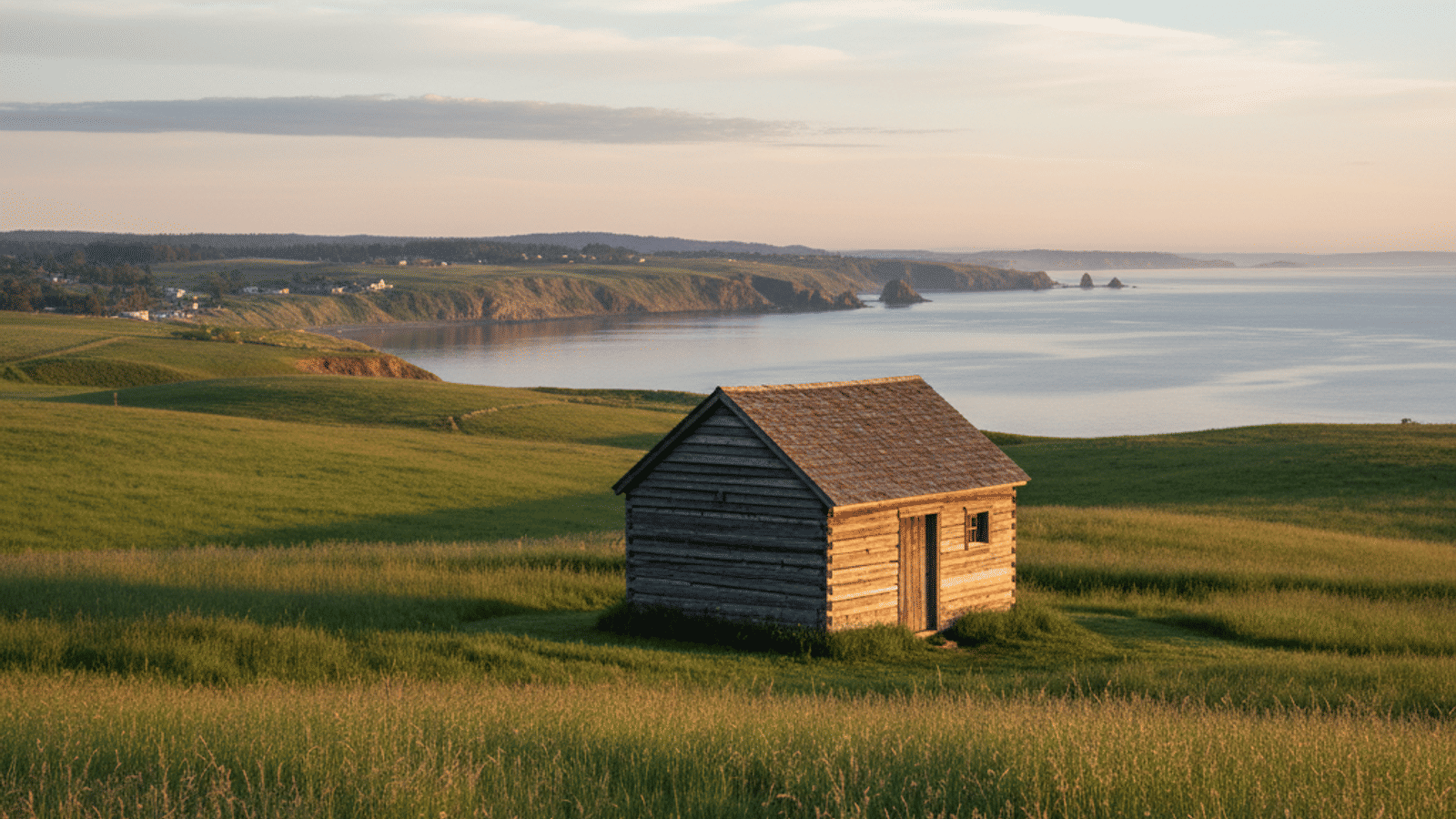
Walking into Coupeville feels a bit like stepping onto a movie set—which makes sense, considering Practical Magic was filmed there. It is the heart of the Ebey’s Landing National Historical Reserve, meaning the landscape of rolling farmlands and historic blockhouses is federally protected. The town center is a dense, walkable grid of Victorian homes and waterfront shops that lean heavily into their maritime heritage. It’s quaint, tourist-friendly, and deeply connected to the water.
Freeland has a completely different energy. It doesn't really have a "downtown" in the traditional sense. Instead, it serves as the functional business district for the south end of the island. It feels less like a village and more like a suburban service center tucked into the woods and along the harbor.
Because Freeland is unincorporated, the zoning feels a bit looser and the layout is more spread out. You aren’t likely to see tourists wandering the streets here like you do in Coupeville. It’s a place where locals go to get things done, surrounded by quiet neighborhoods, evergreen forests, and views of Holmes Harbor.
Location & Commute: The Ferry Factor
If you plan on commuting from Whidbey Island to Everett or Seattle, this section might make the decision for you. The Clinton Ferry terminal at the south tip of the island is the lifeline to the mainland, and your distance from it matters.
Freeland is the clear winner for commuters. It is only about 9.5 miles from the ferry dock, which usually translates to a 10 to 15-minute drive. This makes daily travel to the mainland feasible, if not entirely painless. There is also reasonable access to Island Transit, which connects the town to the ferry line.
Coupeville, however, requires a commitment to the drive. You are looking at roughly 28 miles to the Clinton ferry, which adds about 35 to 45 minutes to your trip each way—and that’s before you even wait in line for the boat. For a daily commuter, that extra hour-plus on the road every day can be a dealbreaker. However, if you work remotely or locally on the island, that distance provides a nice buffer from the weekend crowds.
Real Estate & Housing Costs
Both markets are competitive as we move through 2026, but the inventory looks different in each town. Freeland generally commands slightly higher prices, with median sold prices hovering in the mid-$600s. This premium is largely due to its location; buyers who need to commute to Seattle are willing to pay more to save time on the road. You’ll find a lot of 1970s and 90s ramblers here, often sitting on larger, wooded lots that offer more privacy than in-town living.
Coupeville tends to sit in the high $500s or low $600s, though waterfront properties can obviously skew those numbers much higher. The housing stock here is distinct—you have a chance to buy genuine historic homes or properties within the town limits that are subject to strict design guidelines to maintain that "historic village" aesthetic.
The rental market is tight across the entire island, but Freeland has seen slightly more multi-family development recently. If you are looking for a condo or a duplex, the south end typically has a bit more inventory than the protected, single-family-heavy streets of Central Whidbey.
Weather Patterns: The Rain Shadow Effect
One of the most surprising things for newcomers is how different the weather can be just 15 miles apart. Whidbey Island sits partially in the "Olympic Rain Shadow," which protects certain areas from the heavy rainfall that hits the rest of Western Washington.
Coupeville sits firmly inside this shadow. It receives significantly less rain—usually around 20 to 25 inches annually. This means more sunny days for gardening, walking the pier, and enjoying the outdoors. The vegetation here is often drier, resembling a prairie environment.
Freeland, being further south, catches the edge of the weather systems coming off Puget Sound. It gets significantly more rainfall, often topping 30 to 35 inches a year. The result is a landscape that looks much lusher, greener, and more like the classic Pacific Northwest rainforest. If you love deep green ferns and towering cedars, Freeland fits the bill. If you prefer blue skies and prairie grass, Coupeville is the better bet.
Amenities, Shopping & Healthcare
When it comes to daily errands, Freeland is the powerhouse of the South End. It is home to Payless Foods, which is widely considered one of the best grocery stores on the island, along with major hardware stores, banks, and automotive services. Most residents of South Whidbey end up in Freeland at least once a week to stock up. It also offers quick access to the dining scene in nearby Langley.
Coupeville takes the crown for healthcare access. It is the county seat and home to WhidbeyHealth Medical Center, the island’s hospital and emergency room. For retirees or anyone with ongoing medical needs, being minutes away from the ER rather than 30 minutes away is a major selling point.
Dining: Coupeville offers a "Front Street" experience with spots like The Oystercatcher and famous Penn Cove mussels right at the source.
Shopping: Freeland is practical (groceries and lumber), while Coupeville is boutique (gifts, art, and bakeries).
Schools & Education
If you are relocating to Whidbey Island with school-aged children, you will be looking at two distinct districts. Coupeville is served by the Coupeville School District. The schools are central to the town itself, creating a small, campus-style atmosphere where the high school and elementary school are practically neighbors. It fosters a very tight-knit community feel where students often walk into town after class.
Freeland is served by the South Whidbey School District. Interestingly, the schools aren't located in Freeland itself but are a short 10 to 15-minute drive south, closer to Langley and Clinton. The facilities are larger, reflecting the larger population base of the south end. Both districts offer strong community support, so the choice often comes down to whether you prefer the "in-town" campus vibe of Coupeville or the broader regional high school feel of South Whidbey.
Outdoor Recreation & Activities
Lifestyle on Whidbey is defined by what you do outside, and both towns offer incredible access to nature, though the terrain differs.
Coupeville is famous for Ebey’s Landing, arguably the most iconic hike on the island, featuring high bluff trails overlooking the Sound. You also have Fort Casey State Park and Fort Ebey nearby, offering bunkers to explore and beaches to comb. The calm waters of Penn Cove are ideal for kayaking and paddleboarding without fighting heavy surf.
Freeland residents gravitate toward Double Bluff Beach, which is a massive draw for dog owners due to its long stretch of off-leash sandy beach. Holmes Harbor offers great boating and crabbing opportunities, and there is a local golf culture here that is accessible year-round. While Coupeville is about history and hiking, Freeland feels more focused on beachcombing and boating.
Who is Each Town Best For?
Comparing these two towns usually clarifies which one fits your lifestyle fairly quickly.
You should choose Freeland if:
You need to commute to Everett, Seattle, or the Eastside.
You want a larger, wooded lot with more privacy.
You prefer convenient access to big-box style grocery shopping and services.
You don’t mind a bit more rain in exchange for a lush, green forest setting.
You should choose Coupeville if:
You work on-island, perhaps in Oak Harbor, or you work remotely.
You value walkability and want a historic village atmosphere.
Access to the hospital and healthcare services is a priority.
You want the driest possible weather to maximize outdoor time.
Frequently Asked Questions
How far is Freeland from Coupeville?
The two towns are about 15 miles apart, which typically takes around 20 minutes to drive along Highway 525/SR 20. It’s an easy drive, but long enough that most residents stick to their own "end" of the island for daily errands.
Which town is better for commuting to Seattle?
Freeland is significantly better for commuting. It is only a 10-15 minute drive to the Clinton ferry terminal, whereas living in Coupeville adds an extra 30-40 minutes of driving each way before you even board the boat.
Does Coupeville or Freeland have more rain?
Freeland gets more rain. Coupeville is located in the Olympic Rain Shadow and receives about 20-25 inches of rain annually, while Freeland and the south end can see upwards of 30-35 inches, making it greener but wetter.
Is the hospital in Freeland or Coupeville?
The hospital, WhidbeyHealth Medical Center, is located in Coupeville. Freeland has urgent care clinics and private practices, but for the emergency room and major hospital services, residents travel north to Coupeville.