Navigating Property Taxes on Whidbey Island WA: What Buyers Need to Know in 2026
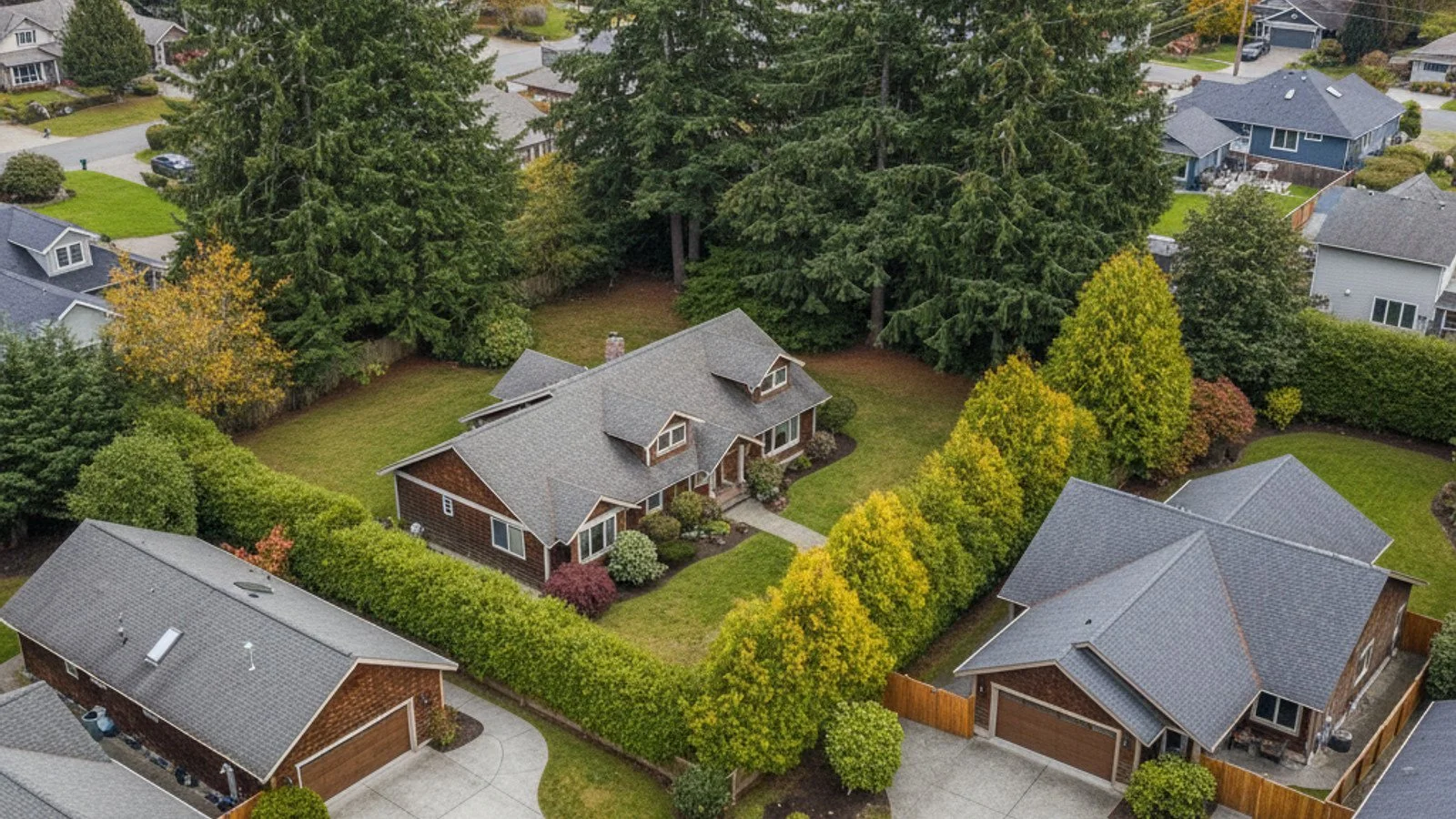
Buying a home in Island County means factoring local carrying costs into your monthly budget. Whether you are purchasing a rural acreage in Greenbank or a house near the city center, property taxes on Whidbey Island WA will impact your bottom line. For most buyers, understanding these annual obligations is just as critical as negotiating the purchase price.
Washington state handles property revenue differently than many other parts of the country. By looking closely at how local levies work and what recent legislative changes mean for 2026, you can accurately project your long-term homeownership costs.
Understanding Whidbey Island Property Tax Rates
Washington uses a budget-based property tax system rather than a fixed-rate model. This means the total amount of tax collected is tied directly to the approved Island County budget. Local taxing districts calculate exactly how much revenue they need, and rates adjust to collect that specific amount.
The effective property tax rate on Whidbey Island currently hovers around 0.73% to 0.75% of a home's assessed value. For a property assessed at $500,000, an effective rate of 0.75% translates to an annual tax bill of roughly $3,750. Levy rates are officially expressed in dollars per thousand of assessed value.
State law imposes a strict 1% annual limit cap on how much a taxing district's regular property tax revenue can increase. However, this cap does not prevent individual bills from rising if voters approve special levies or lid lifts. Approving new funding for local services will push the effective rate above that baseline restriction.
The Island County Property Assessment Process and Timeline
The Island County Assessor's Office is responsible for determining the value of every parcel on the island. State law requires all real property to be assessed at 100% of its true and fair market value. This valuation is based on the property's highest and best use, relying on recent sales data between a willing buyer and a willing seller.
To maintain accuracy, the county conducts physical inspections of all real property at least once every six years. During the off-years, values are updated statistically based on current market trends and recent transactions in your specific neighborhood. You will receive a Change of Value Notice in the mail annually detailing your new assessment.
If you believe the assessed value does not reflect current market conditions, you have the right to challenge it. Property owners can file a formal appeal with the local Board of Equalization. Successfully appealing requires bringing solid comparable sales data to prove the county valuation is artificially high.
Where Do Your Island County Property Taxes Go?
Paying your annual tax bill directly funds the essential infrastructure and services that keep Whidbey Island functioning. The county acts as the collection agency, but the revenue is distributed across multiple distinct taxing districts. Understanding this allocation helps buyers see exactly what their money supports in the local community.
The exact distribution of your tax dollars depends on your specific property location and the overlapping districts in that zone. However, the largest portion of your payment consistently goes toward supporting public education and emergency response networks.
Public Education: A massive share of revenue funds the Oak Harbor, Coupeville, and South Whidbey School Districts.
Emergency Services: Funds are directly allocated to local fire protection districts to maintain equipment and personnel.
Healthcare Infrastructure: Tax dollars support public hospital districts that ensure reliable medical access across the island.
Community Amenities: Parks and recreation services rely heavily on property tax revenue for ongoing maintenance and improvements.
Reviewing your specific tax statement will show the exact breakdown for your parcel. Voter-approved bonds for new school construction or expanded fire facilities are often the primary drivers of localized rate variations.
Washington State Property Tax Relief and Exemptions
The Washington State Department of Revenue offers several relief programs designed to reduce the financial burden on vulnerable homeowners. These exemptions effectively freeze the assessed value of a property, shielding owners from sudden market spikes. To qualify, applicants must occupy the property as their primary residence for more than six months out of the year.
Relief programs are primarily targeted at seniors over the age of 61, individuals with qualifying disabilities, and disabled veterans. Eligibility is heavily dependent on household income, with the county currently utilizing updated 2024 - 2026 income thresholds to determine qualification tiers. Meeting these criteria can substantially lower your annual obligation.
Recent state legislative changes taking effect for the 2026 - 2027 tax years have expanded these benefits further. The new rules broaden the income limits and reduce the veteran disability rating threshold to 40%. Buyers who think they might qualify should contact the Assessor's Office immediately after closing to secure their exemption status.
How and When to Pay Your Property Tax Bill
The Island County Treasurer is tasked with mailing out the annual tax statements and collecting all payments. These statements typically arrive in your mailbox in mid-February, giving you plenty of time to review the charges. If you hold a mortgage, your loan servicer will likely receive the bill directly and pay it from your escrow account.
For those paying out of pocket, the county splits the annual bill into two distinct installments. The first half of the tax payment is strictly due by April 30, while the second half must be paid by October 31. Missing either of these deadlines will result in immediate interest and penalty charges added to your total balance.
Property owners have several convenient options for submitting their payments to the county. You can make online payments using a credit card, debit card, or e-check through the official county portal. Be aware that third-party processing fees apply to card transactions, so an e-check is usually the most cost-effective digital method.
Frequently Asked Questions About Whidbey Island Property Taxes
How are property taxes calculated in Island County?
Island County uses a budget-based system where taxing districts determine their required revenue first. The county then divides this total budget by the total assessed value of all properties in the district to establish the levy rate. This rate is multiplied by your home's assessed value to calculate your final bill.
At what age do seniors stop paying property taxes in Washington state?
Seniors do not entirely stop paying property taxes in Washington state, but they can receive significant reductions. Starting at age 61, qualifying homeowners can apply for an exemption that freezes their property's assessed value. This relief is tied to specific income thresholds that dictate how much of the tax burden is waived.
How do I appeal my property assessment in Island County?
You can appeal your property valuation by filing a formal petition with the Island County Board of Equalization. The appeal must be submitted within 30 days of the date printed on your annual Change of Value Notice. You will need to provide concrete evidence, such as recent sales of comparable homes, to prove the assessor's value is incorrect.