Navigating the Average Cost of a Home in Whidbey Island WA in 2026
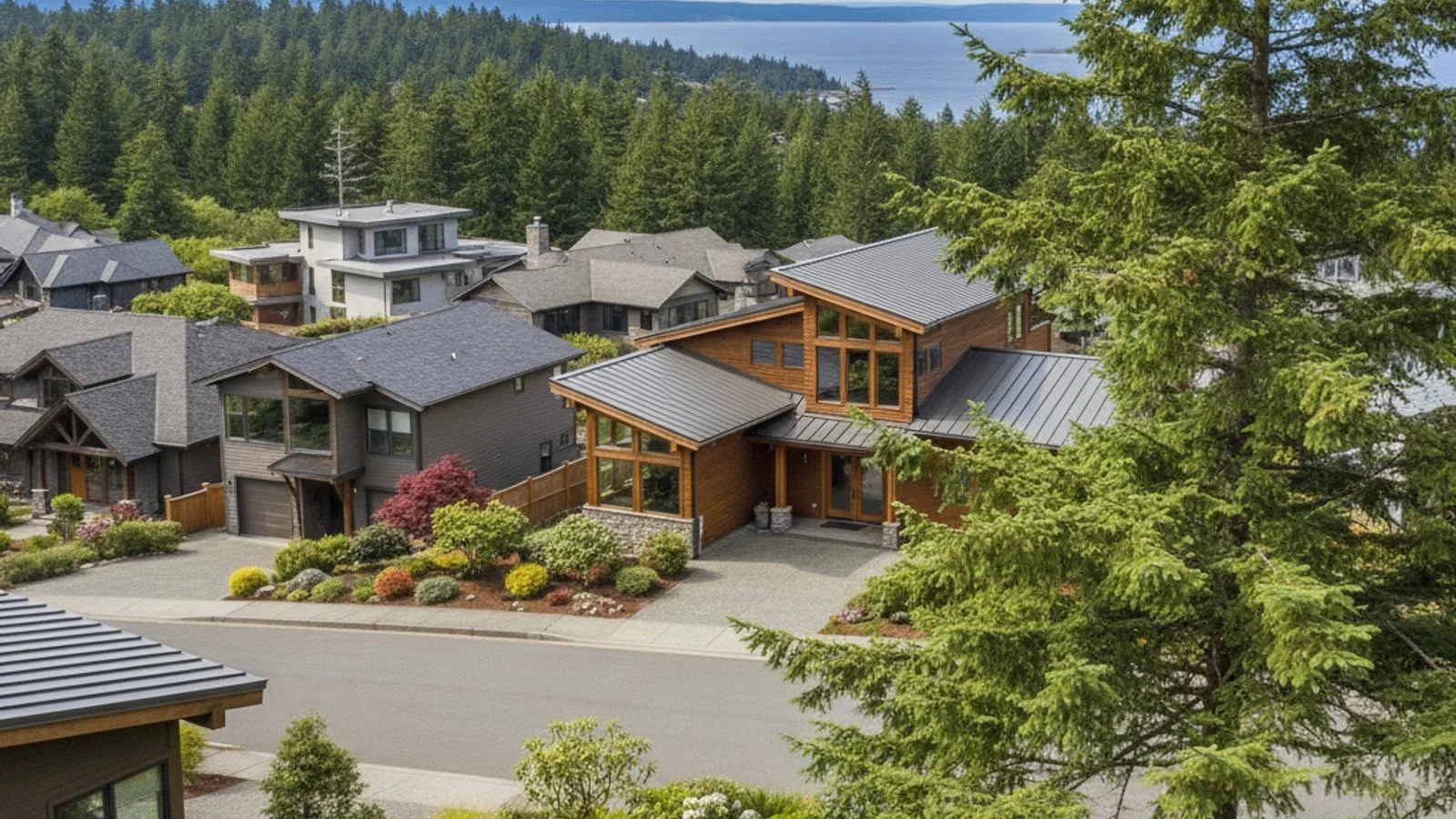
Buyers exploring Island County often find themselves drawn to the expansive shorelines and evergreen forests of the Pacific Northwest. Determining the average cost of a home in Whidbey Island WA is a crucial first step for anyone planning a move to this distinctive region in 2026. The local housing market operates much differently than the mainland Seattle metro area.
Property values here are heavily influenced by geographic boundaries, ferry access, and local military installations. A buyer looking near the Deception Pass Bridge will encounter a completely different pricing landscape than someone shopping near the southern ferry terminals. Understanding these geographical nuances helps buyers set realistic budgets and competitive offer strategies.
Whidbey Island Real Estate Market Overview
The overall median home price across Whidbey Island sits at approximately $615,280 as of early 2026. This aggregate number provides a baseline, but the island experiences sharp pricing contrasts depending on the specific community. Sustained migration from denser urban centers continues to place pressure on the limited housing inventory.
Active listings remain relatively tight, which maintains a competitive environment for buyers. Available properties tend to command strong offers, especially when they feature updated systems or water views. Buyers entering the market today must be prepared with pre-approval letters and a clear understanding of localized pricing trends.
Average Home Prices by Region
Real estate values on the island are traditionally divided into three distinct zones. The geographic length of the area creates isolated micro-markets with their own supply and demand drivers. Buyers will notice a pronounced price escalation as they travel from north to south.
This regional variation is largely dictated by commute times to mainland job centers and the availability of buildable land. A nearly $200,000 price gap exists between the northern and southern borders of the island. Exploring each region individually provides a much clearer picture of what a specific budget can secure.
North Whidbey and Oak Harbor
The Oak Harbor housing market is heavily anchored by the presence of Naval Air Station Whidbey Island. Constant rotation of military personnel creates a robust demand for both purchases and rentals. Median home prices in this northern sector generally range from $515,000 to $620,000.
This area offers the most accessible entry point for homeownership on the island. Buyers will find a higher concentration of traditional subdivisions and townhomes compared to other regions. The stable employment base ensures a consistent turnover of inventory throughout the year.
Central Whidbey and Coupeville
Moving south into Coupeville introduces buyers to a more balanced market characterized by historic properties and protected agricultural reserves. Strict zoning laws limit new development, which naturally preserves property values. Median prices in this central corridor typically fall between $624,000 to $724,000.
The housing stock here often features larger parcels of land and custom-built homes. Proximity to local amenities like WhidbeyHealth Medical Center and Fort Casey State Park adds significant value to these properties. Buyers in Central Whidbey often prioritize acreage and architectural character over rapid commute times.
South Whidbey and Langley
The communities of Langley and Clinton command the highest premium on the island. Median home prices here stretch from $717,000 to $812,000, driven largely by luxury waterfront properties and acreage estates. The close proximity to mainland King County makes this area highly desirable for commuters.
Inventory in South Whidbey remains notoriously tight throughout the year. Buyers seeking property in this region face intense competition for well-maintained homes. The investment required here reflects the direct access to major economic hubs while maintaining an island setting.
Market Metrics and Housing Inventory
Evaluating price per square foot reveals distinct differences across property types. Single-family homes with acreage carry different valuations than denser condominium developments or premium waterfront estates. The current supply of active listings directly dictates how much negotiating power buyers hold during a transaction.
Days on the market fluctuate significantly based on the specific location and property condition. In the northern regions, homes often go pending in an average of 27 days due to steady military relocation. Southern markets see median days on the market stretching from 31 to 70 days, reflecting the smaller pool of luxury buyers.
Local Infrastructure and Commute Impact
Transportation logistics are the single biggest factor influencing real estate values across Island County. The Clinton-Mukilteo ferry route provides direct access to the Seattle metropolitan area. This vital connection point is the primary reason South Whidbey properties carry such a significant price premium.
Alternative travel routes serve the central and northern populations. The Coupeville-Port Townsend ferry connects residents to the Olympic Peninsula, while the Deception Pass Bridge offers a permanent driving route into Skagit County. Homes located within a short drive of these major transportation arteries consistently maintain strong resale values.
Additional Homeownership Costs on Whidbey Island
Purchasing a property involves calculating long-term carrying costs beyond the principal and interest payments. Washington state levies various taxes and fees that must be factored into the monthly housing budget. Buyers relocating from out of state are often surprised by the local tax structures.
Evaluating these secondary expenses is essential for maintaining a comfortable financial position after closing. Utility structures, insurance requirements, and managed community fees all contribute to the true cost of island living. Buyers should prepare for the following localized expenses when finalizing their budgets.
Property Taxes: The Island County effective property tax rate ranges from 0.62% to 0.73%. While this percentage is lower than the national average, the higher property values result in a median annual tax bill of approximately $3,999.
Insurance Premiums: Homeowners insurance costs vary based on proximity to the shoreline and surrounding forest density. Coastal properties often require specialized coverage that increases the annual premium.
Closing and Transfer Costs: Washington state imposes real estate excise taxes that impact the final settlement figures. Buyers should also account for standard title, escrow, and loan origination fees.
Frequently Asked Questions
What is the average income needed to buy a home in Whidbey Island, WA?
Buyers typically need an annual household income between $140,000 and $160,000 to comfortably afford the island median home price of $615,280. This estimate assumes a standard 20 percent down payment and current 2026 interest rates. Exact income requirements shift based on individual debt-to-income ratios and specific property taxes.
How long do homes typically stay on the market in Whidbey Island?
The median time on market ranges from 27 days in Oak Harbor to up to 70 days in the Langley area. Well-priced properties in excellent condition often receive offers within the first two weeks of listing. Unique luxury estates or homes requiring extensive repairs naturally take longer to secure a qualified buyer.
Is Whidbey Island a buyer's or seller's market right now?
The island currently leans toward a seller's market due to a persistent shortage of active housing inventory. High demand near the naval base and ferry terminals keeps competition fierce for available properties. Buyers must act decisively and submit strong offers to succeed in the 2026 real estate landscape.