Navigating the 2026 Market: Understanding HOA Fees Whidbey Island WA
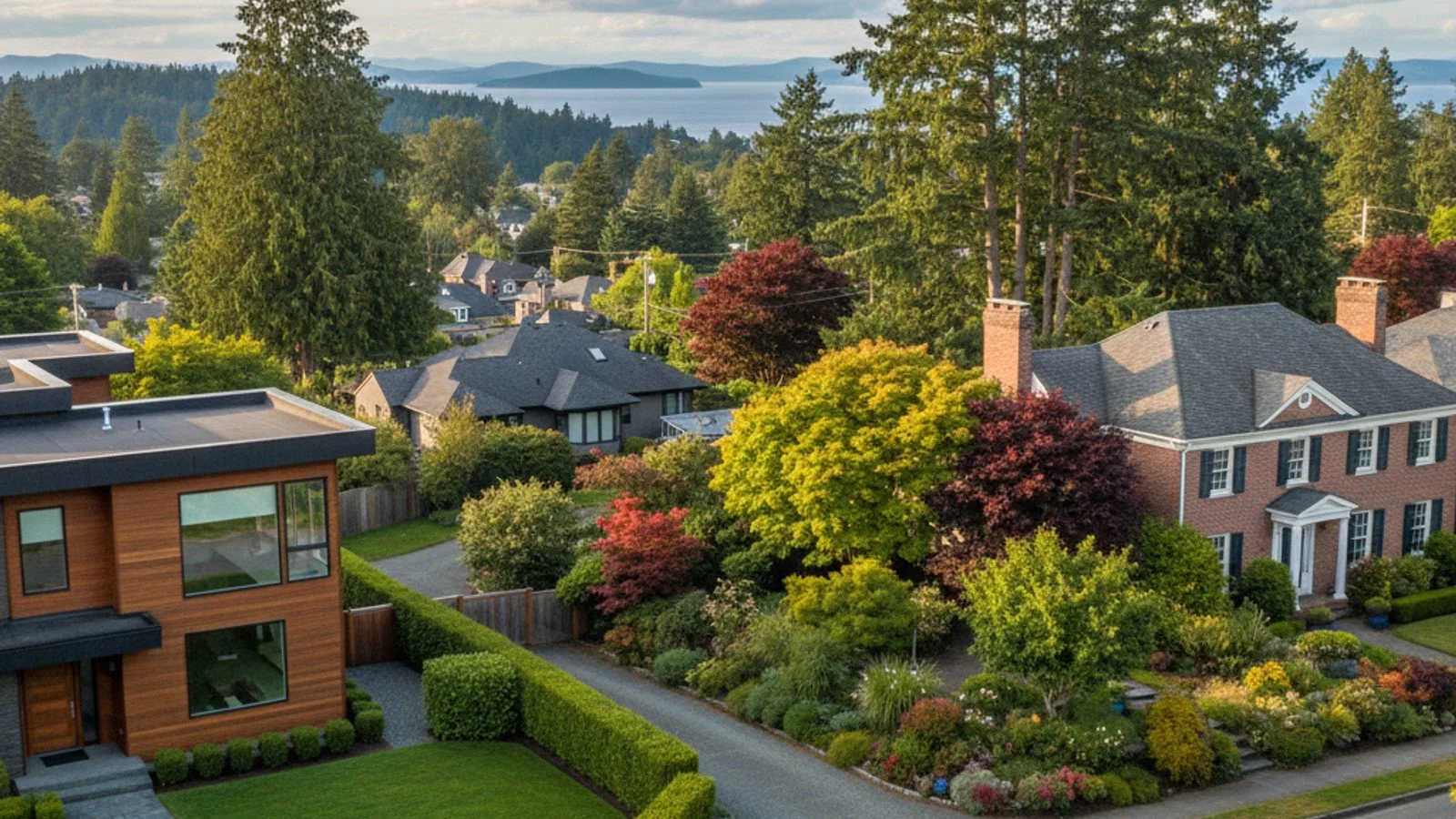
The 2026 real estate market on Whidbey Island presents unique opportunities for buyers seeking Pacific Northwest waterfront properties. Navigating this diverse property landscape requires a solid understanding of local homeowner associations. Partnering with an experienced real estate agent ensures you secure the right home without unexpected financial surprises.
Assessing HOA fees Whidbey Island WA is a critical step in determining your total monthly housing budget. These assessments vary wildly across the island, ranging from simple annual road maintenance bills to extensive monthly condominium dues. Understanding these figures is essential for any successful home buying strategy.
The community association structures differ noticeably depending on whether you are looking in North, Central, or South Whidbey. Buyers must factor these varying costs into their financial planning before submitting a formal offer. A thorough review of property taxes alongside these dues provides a complete picture of ownership costs.
What Do Local HOA Dues Typically Cover?
A homeowner association on Whidbey Island usually manages the shared infrastructure that makes rural island living possible. Typical coverage includes private road maintenance, community beach access, and the upkeep of neighborhood clubhouses. These services directly support local property values and maintain the visual appeal of the community.
Many island neighborhoods rely on shared wells or private community water systems instead of municipal utilities. The operational costs of these water systems heavily impact annual budgets and determine the baseline fees for residents. Regular maintenance of these plumbing and water infrastructures prevents costly emergency repairs down the line.
Buyers should always review the official association documents recorded with Island County during their inspection contingency period. Examining the annual schedule and financial report ensures you understand exactly what your assessment funds. A local attorney or real estate expert can help interpret these legal documents before closing.
Paying slightly higher dues for a well-managed community water system is often a much better investment than funding an aging private well entirely on your own.
Average HOA Fees Across Prominent Whidbey Island Communities
Exploring established neighborhoods from Oak Harbor down to Freeland reveals a wide spectrum of fee structures. The exact assessment you pay depends heavily on the specific community and the physical amenities it maintains. Buyers will notice distinct pricing differences between waterfront properties and inland parcels.
Undeveloped lots often carry lower baseline fees compared to finished single-family homes within the same subdivision. Potential buyers evaluating properties must verify whether the quoted fee applies to a bare lot or a fully developed parcel. This distinction is crucial when calculating the total cost to build a new home on Whidbey Island.
Focusing solely on the sticker price of a home while ignoring neighborhood fee structures is a fast track to busting your housing budget.
Useless Bay Colony
Properties in Useless Bay Colony generally feature approximate $700 annual dues billed each July. This yearly assessment funds the upkeep of private roads and maintains exclusive private beach access for residents. The clear annual schedule makes it easy for homeowners to budget for this expense.
The neighborhood also offers close proximity to local golf course facilities on South Whidbey. These recreational amenities factor heavily into the overall property values and long-term investment potential for the area. Homes in this community frequently attract buyers looking for established recreational infrastructure.
Sierra Country Club
Located in historic Coupeville, Sierra Country Club provides a tiered fee structure based on property development status. Owners of bare lots can expect fees ranging from roughly $368 to $445 annually. This baseline assessment ensures the undeveloped land continues to support the broader neighborhood infrastructure.
Once a property is developed with a single-family home, those dues scale up to approximately $405 quarterly. This increased assessment covers the maintenance of shared community features like the neighborhood pool and clubhouse. The quarterly payment schedule helps distribute the cost of these premium amenities throughout the year.
Holmes Harbor
The Holmes Harbor communities in Freeland offer a more comprehensive amenity package with correspondingly higher assessments. Fees can reach upwards of $326 monthly for homes located within the Golf & Yacht Club sections. This higher price point reflects the extensive services provided directly to the homeowner.
This monthly structure often includes professional landscaping, exterior maintenance features, and access to Saratoga Passage. While higher than annual-only neighborhoods, the included services significantly reduce the individual maintenance burden. Many buyers find this trade-off worthwhile for a streamlined property ownership experience.
Comparing HOA Structures: Single-Family Homes vs. Condominiums
The type of property you purchase directly influences both the frequency and the total amount of your association dues. Single-family homes on the island typically feature annual or quarterly fees focused on basic neighborhood infrastructure. These lower-frequency payments generally leave the bulk of home maintenance responsibilities to the individual owner.
Townhouses and condominiums demand much higher monthly dues to cover the shared physical structures of the buildings. A standard condo fee generally pays for the master structural insurance policy, exterior building maintenance, and shared landscaping. This structure pools the financial risk of major repairs across multiple property owners.
Potential buyers must calculate their total monthly payment by factoring the fee alongside their mortgage, property taxes, and individual insurance. Failing to account for an approximate $400 monthly condo assessment can drastically alter your purchasing power. Working with a knowledgeable real estate agent ensures these calculations are accurate from the start.
A high monthly condo fee is not inherently bad if it adequately covers major capital expenses like roof replacement and exterior paint.
Geographical Features and Commute Considerations
Island geography plays a massive role in determining neighborhood desirability and overall property costs. Properties located on South Whidbey offer close proximity to the Clinton-Mukilteo ferry terminal. This strategic location makes these neighborhoods highly convenient for frequent mainland transit.
In the northern section of the island, the Naval Air Station (NAS) Whidbey Island serves as a major economic driver. The constant operational presence influences property values and drives consistent housing demand throughout the Oak Harbor area. This sustained activity creates a highly resilient local real estate market.
Neighborhoods located near major natural attractions like Deception Pass State Park also command significant attention. The combination of easy access to outdoor recreation and manageable transit times dictates which communities carry premium pricing. Evaluating these geographical factors is just as important as reviewing the physical property condition.
Prioritizing properties south of Greenbank is an effective strategy for minimizing daily transit times to the mainland.
Frequently Asked Questions About Whidbey Island Real Estate
Is $500 a month a lot for HOA fees on Whidbey Island?
A $500 monthly fee is exceptionally high for a standard single-family home on Whidbey Island, where annual assessments are much more common. However, this amount is fairly standard for a condominium complex that includes exterior maintenance and structural insurance. Buyers looking at waterfront condos in Oak Harbor should expect fees in this approximate range.
What is the average HOA fee in Washington state?
The average fee across Washington state hovers around $350 to $400 per month for managed communities. Whidbey Island single-family neighborhoods often fall well below this state average because they typically utilize annual rather than monthly billing. A standard island subdivision might only charge an approximate $500 assessment for the entire year.
Are there any 55+ communities with HOAs on Whidbey Island?
Yes, Whidbey Island features several verified 55+ age-restricted communities that utilize homeowner associations to manage shared amenities. These specific neighborhoods often include landscaping and exterior maintenance in their monthly dues to provide a streamlined ownership experience. You can find established 55+ property options primarily concentrated near the medical facilities in Coupeville and Oak Harbor.