What Buyers and Sellers Need to Know About Mortgage Rates in Coupeville, WA
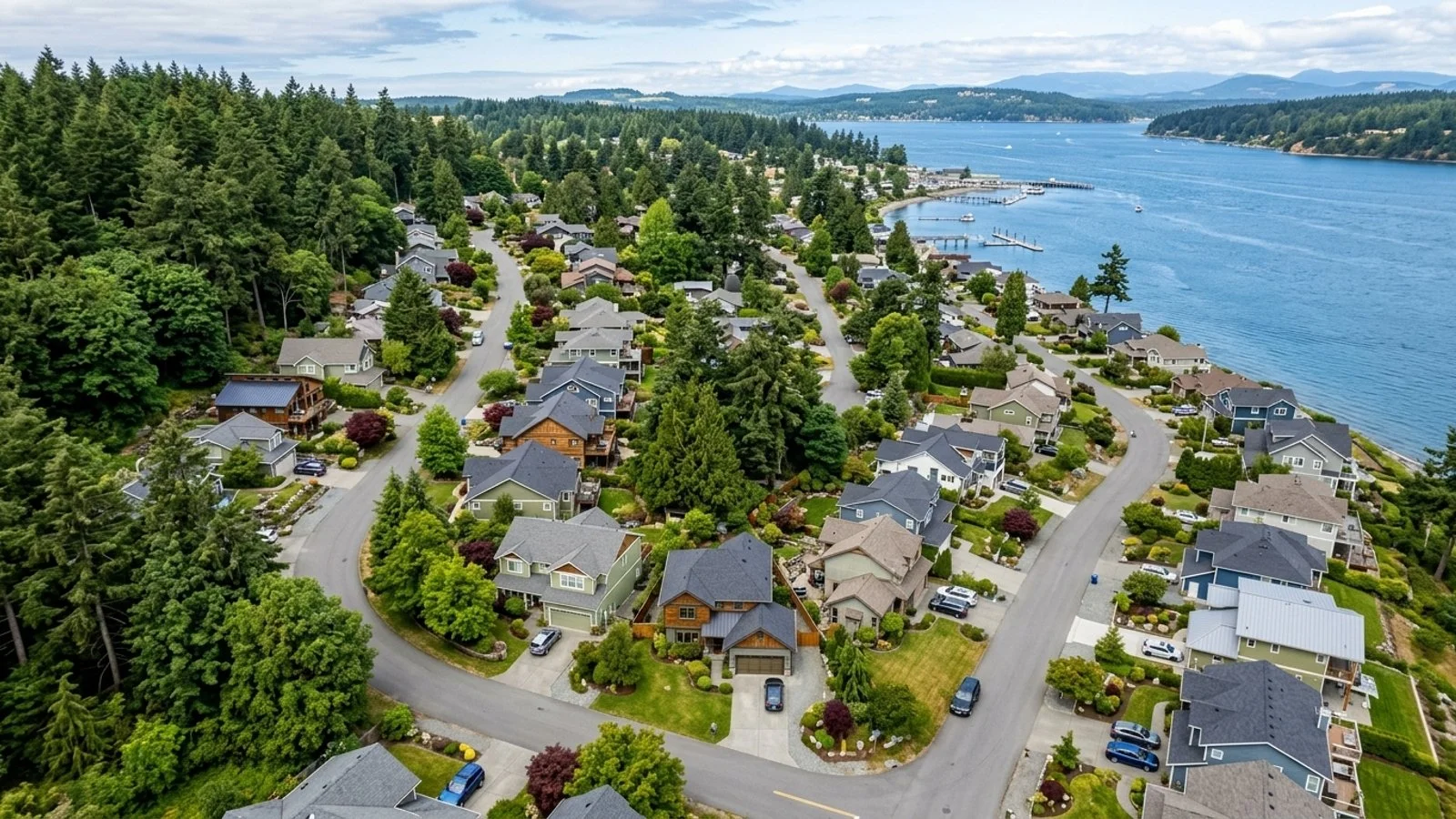
Homes in Coupeville, WA, are spending around 8 days on the market before going under contract. That's a fast-moving environment for first-time home buyers, and if your financing isn't sorted before you find the right property, you'll lose it.
With a median sale price of roughly $743,000, even small shifts in borrowing costs translate into real money every month. Understanding how loan products work - and where to find accurate local lending information - is what separates confident buyers from the ones who keep getting outmaneuvered.
How Lenders Determine Daily Mortgage Rates in Coupeville
Lenders reprice constantly based on economic indicators, inflation, and the bond market. There's no single universal rate that applies to every buyer on a given day - what you see advertised online is typically a base scenario built around perfect credit and a large down payment.
Your actual quote depends on your specific financial profile and the exact property you're buying.
Where to Find Your Real Rate
Request a formal quote or a Loan Estimate from a lender. That document breaks down the exact interest rate, annual percentage rate, and closing costs tied to your application - not some hypothetical borrower's.
Because pricing shifts throughout the day, a quote from Tuesday morning can differ from one generated Wednesday afternoon. If you want an accurate comparison, pull Loan Estimates from different companies on the same day.
Why Your Rate Can Change Overnight
Lenders trade mortgage-backed securities continuously, which means borrowing costs rise and fall without much warning. Major economic announcements - employment reports, Federal Reserve policy updates - can trigger immediate movement. Until you've signed a rate lock agreement, your potential monthly payment is still subject to whatever the market does next.
How Rate Changes Impact Your Buying Power
A modest increase in borrowing costs shrinks the loan amount you can carry at the same monthly payment. For buyers in Island County, that's not an abstract concept. The median home price here is around $743,000, and at that loan size, a fraction of a percentage point shifts your monthly obligation by hundreds of dollars. Factor these moves into your search before you fall in love with something at the top of your range.
Comparing Payments at Different Rate Levels
The numbers make this concrete. Take a hypothetical buyer financing $600,000 on a 30-year fixed loan. At 6%, the principal and interest payment comes to roughly $3,597 per month. At 6.5%, that climbs to about $3,792. At 7%, you're at roughly $3,991.
That's nearly $400 a month between the low and high scenario - on the same house.
The Trade-Off Between Price and Interest
Buyers sometimes assume that waiting for rates to fall is the conservative move. It might be, or it might not. Coupeville homes are currently selling for about 99.4% of their list price, which tells you demand isn't softening. If local inventory stays tight, the purchase price you're trying to avoid might be higher by the time borrowing costs ease. Your immediate housing needs and your long-term financial picture both belong in that calculation.
Fixed-Rate, Adjustable, and Government Loans
The loan structure you choose directly determines your borrowing costs. Lenders price different products based on the risk they carry and the length of the repayment term, so knowing your options matters before you sit down with a lender.
Your loan officer will help you match the right product to your timeline and budget - but you'll have a much better conversation if you already understand what's available.
30-Year vs. 15-Year Fixed Mortgages
A 30-year fixed mortgage spreads payments over three decades and keeps the monthly number as low as possible. The principal and interest payment doesn't change for the life of the loan, which is why it's the most common choice for long-term homeowners.
A 15-year fixed typically comes with a lower interest rate but a higher monthly payment. You pay off the debt in half the time and save considerably in total interest - the trade-off is cash flow.
Who Benefits From an Adjustable-Rate Mortgage
An ARM offers a lower introductory rate for a set period, usually five to ten years, then adjusts annually based on market conditions. Buyers who expect to move or refinance before that initial phase ends often use ARMs to save money in the near term. Before you go that route, review the maximum adjustment caps so you understand your worst-case payment if you're still in the loan when rates move.
Conventional, FHA, VA, and USDA Differences
Conventional loans reward strong credit and generally require at least a 5% down payment. FHA loans open the door for buyers with lower credit scores, though they come with mortgage insurance. VA loans offer favorable terms and zero down payment for eligible military members. USDA loans are built for specific rural properties.
Each of these carries different pricing structures, and which one fits you depends on your profile and the property you're buying.
How to Secure the Best Possible Interest Rate
Lenders price risk. The lower the risk you represent, the better the terms they'll offer. You have meaningful control over how that calculation lands.
Improving Your Credit Profile
Your credit score is the primary driver of your loan pricing. Before you apply, pull your credit report and check for errors, then pay down revolving debt where you can. Even a modest score improvement can move you into a better pricing tier - and that difference compounds over 30 years.
Down Payments, Points, and Buy-Downs
A larger down payment reduces your loan-to-value ratio, which reduces the lender's exposure and often improves your rate. If you have additional cash available, you can also purchase discount points to permanently lower your rate. Temporary buy-downs are another option - you or the seller pay an upfront fee to reduce your payment for the first one to three years. Ask your lender to calculate the break-even point before committing to any of these strategies.
Locking in Your Rate
A rate lock holds your pricing for a set window, typically 30 to 60 days, while your loan moves through underwriting. You'll need to close before the lock expires to keep those terms. If closing gets delayed, you may need to pay an extension fee - worth factoring in when you're negotiating your timeline.
Choosing a Local Mortgage Lender in Island County
The lender you choose affects both your monthly payment and whether you close on time. A lender who can't meet deadlines in a competitive market like Coupeville can cost you the deal regardless of how good your rate is.
Pull quotes from at least three different sources before you decide. Compare fees and communication styles, not just the rate.
Why Local Experience Matters
A lender who works regularly in Island County understands the local market and maintains relationships with local appraisers, which keeps your timeline intact. National call centers don't always understand local property types or closing customs, and when something urgent comes up at 4 p.m. on a Friday, you want a direct line to someone who knows your file.
Comparing Banks, Brokers, and Credit Unions
Retail banks offer their own loan products and sometimes discount them for existing customers. Credit unions work similarly but may charge lower fees given their non-profit structure. Mortgage brokers don't lend their own money - they shop your application across dozens of wholesale lenders to find competitive terms. Direct lenders handle the entire underwriting process in-house and focus exclusively on home loans.
Each has trade-offs. What matters most is which one can deliver clear communication and an on-time close.
Selling a Coupeville Home When Rates Shift
When borrowing costs rise, some buyers pause their search or pull back on their maximum price. That's real, and sellers should understand it. But it doesn't mean your home won't sell - it means your pricing and presentation have to be right.
About 57% of Coupeville homes are currently selling above asking price. Serious buyers are still active.
Buyer Demand and Pricing Strategies
Price to recent comparable sales, not to what you hope the market will bear. An accurate list price generates immediate interest and keeps your days on market short. If you want to stand out to buyers who are rate-sensitive, consider offering seller concessions - contributing to a temporary rate buy-down, for example, can meaningfully lower a buyer's payment for the first few years. Your agent can help you structure those incentives so they work for the buyer without eroding your net proceeds.
Planning Your Next Move in Coupeville, WA
Whether you're buying or selling, the time to get your financial plan together is before you're in the middle of a transaction. The Coupeville market doesn't give you much runway to figure things out on the fly.
Before you start touring homes or putting your property on the market, nail down your budget and your timeline. A local agent can connect you with lenders who know this market and can close on schedule.
Talk to a Local Agent First
An experienced agent can walk you through how current financing costs affect your specific situation - not in general terms, but based on what's selling in Island County right now. They'll review recent sales data with you and help you set realistic expectations.
They also know which lenders consistently deliver competitive terms and on-time closings in this market. That referral is worth more than it might seem when you're under contract and the clock is running.
Mortgage Rate FAQs
What are mortgage rates today in Coupeville, WA?
Today's exact numbers depend on your credit profile, down payment, and loan type. Request a same-day Loan Estimate from a local lender to see the specific pricing available to you.
Should I wait for rates to drop before buying a home in Coupeville?
It depends on your immediate housing needs and what the local market is doing. With Coupeville homes currently spending just 8 days on the market, waiting for cheaper financing could mean facing higher purchase prices later.
How much does a 1% difference in a mortgage rate cost me?
On a Coupeville home priced around $743,000, a 1% shift moves your monthly principal and interest payment by several hundred dollars. Over the life of a 30-year loan, that single percentage point adds up to tens of thousands of dollars in extra interest.
What credit score do I need to get the best mortgage rate in Coupeville?
Lenders reserve their lowest pricing tiers for borrowers with excellent credit scores. You can still get a loan with a lower score, but improving your credit profile before applying will get you better terms.
How do I choose a mortgage lender in Coupeville, WA?
Request quotes from multiple sources - local banks, credit unions, and mortgage brokers. Compare their Loan Estimates side by side so you can evaluate fees and communication styles, not just the headline rate.
Do VA or USDA loans offer lower mortgage rates for Coupeville properties?
Yes, VA and USDA products often carry lower interest rates than conventional loans. You'll need to meet specific military service or property location requirements to qualify for those programs.
How do I know how much house I can afford in Coupeville?
Your exact budget depends on your down payment, current borrowing costs, and the loan structure you select. You should get an accurate Coupeville home affordability estimate based on your actual monthly payment limits before touring properties. A local lender can run these numbers for you using a formal Loan Estimate.
Are there special homebuyer programs available in Coupeville?
Buyers with specific financial profiles or military service backgrounds may qualify for specialized loan structures like VA or USDA loans. You can use local homebuyer programs in Coupeville to secure a lower interest rate or reduce your down payment requirements. Your loan officer will match your timeline and budget to the right product.