Buying Your First Home in Coupeville, WA: 2026 Programs and Grants
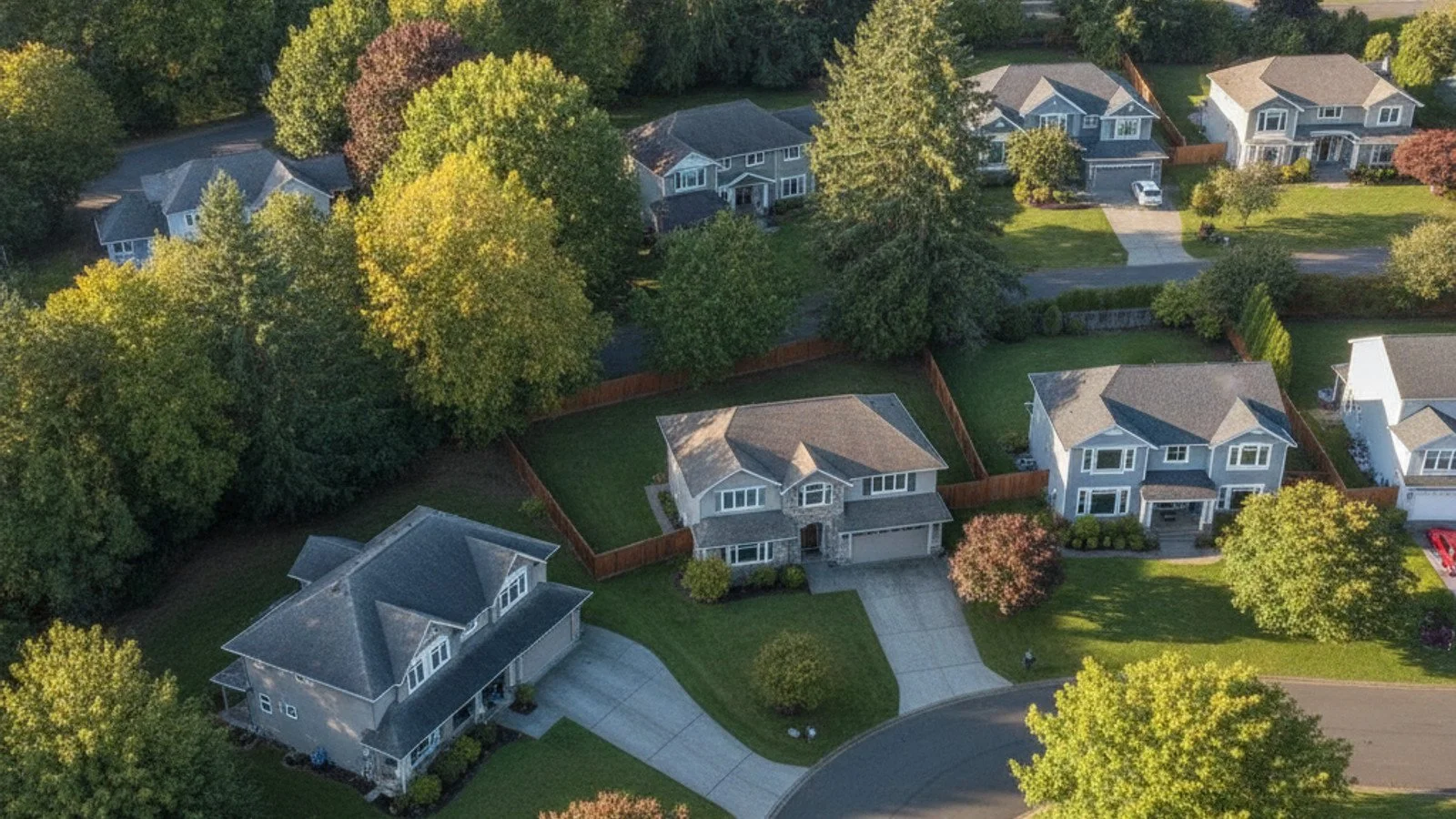
The median home sale price in Coupeville, WA sits at roughly $470,800 as of mid-2026. Homes spend a median of just 17 days on the market before they're gone. If you're serious about buying a home in Coupeville, WA, you need to be ready before you start touring - not after.
For first-time buyers in Coupeville, that preparation means knowing what financial help is available to you. Island County doesn't run its own local assistance fund, but residents have full access to a solid set of statewide programs. Those programs can cover your down payment and make the difference between buying now and waiting another year.
Home Buyer Programs Available in Coupeville, WA
Island County doesn't operate a dedicated county-level down payment program. What you'll use instead are statewide programs managed by the Washington State Housing Finance Commission (WSHFC).
The two foundational WSHFC offerings are the Home Advantage and House Key Opportunity programs. You can pair either one with a conventional, FHA, VA, or USDA loan - whichever base mortgage fits your situation.
The rural character of Island County makes USDA loans a genuinely common choice out here. A lot of properties outside major city centers already meet the geographic requirements for zero-down USDA financing, which is a real advantage buyers in denser markets don't have.
Federal and State Loan Options
Most buyers start by picking a base mortgage type. FHA loans are a natural fit if your down payment is thin; VA loans offer zero-down financing if you've served. Once you have your primary mortgage lined up, you can attach a WSHFC program to it.
The Covenant Homeownership Program and various down payment assistance loans exist specifically to cover the upfront costs you'd otherwise have to bring to the closing table.
Grants and Down Payment Assistance in Washington
The down payment is almost always the biggest obstacle for a first-time buyer. Washington's assistance options work as second mortgages rather than outright cash grants - an important distinction, but one that doesn't make them any less useful.
The Home Advantage DPA gives you a second mortgage equal to 3%, 4%, or 5% of your first mortgage amount, accruing at 0% interest. That makes it manageable alongside your primary monthly payment. Other programs offer fixed dollar amounts: the Opportunity DPA and HomeChoice programs go up to $15,000, and the Veterans DPA provides up to $10,000.
Low and Zero-Down Options
Pair a WSHFC down payment assistance loan with a VA or USDA mortgage and you're looking at a true zero-down purchase. Even with an FHA loan, the state assistance can cover the full 3.5% minimum down payment.
You apply through your mortgage lender - not the state directly. Your loan officer handles the paperwork with the commission during the standard underwriting process.
Who Qualifies as a First-Time Buyer
Eligibility comes down to three things: your household income, your homeownership history, and what your lender's underwriting software says. The state's general definition of a first-time buyer is someone who hasn't owned and occupied a primary residence in the past three years.
Income limits depend on which program you're using. For the needs-based Home Advantage Down Payment Assistance, the household income limit in Island County is $126,800. The broader Home Advantage first-mortgage program is more flexible - depending on the lender, household income limits for that primary loan run from $180,000 up to $215,000 statewide.
Credit Score Rules
Back in mid-2023, the WSHFC dropped its 620 minimum credit score requirement for the Home Advantage and House Key programs. Approval now runs through the lender's automated underwriting system and their internal underwriter sign-off.
That change matters. A specific number won't automatically knock you out of contention for state help. That said, you still need a credit history solid enough to qualify for your base FHA, VA, or conventional loan in the first place.
How Much House You Can Afford in Coupeville
The median home sale price in Coupeville is roughly $470,800. With only about 7 homes in active inventory at any given time, half of all local properties sell above list price. That's a tight market by any measure.
A common starting framework is the 3-3-3 rule: put 20% down, keep your mortgage payment under 30% of your gross monthly income, and buy a home worth no more than three times your annual salary. It's a useful baseline, but down payment assistance changes the math. A lot of buyers here end up purchasing homes worth more than three times their salary by using state programs to offset the upfront costs.
Income Needed for Local Prices
To afford a $470,000 home, you'll generally need a household income well into six figures - the exact number depends on your down payment and rate. If you're targeting the $300,000 to $400,000 range, you'll need less income, though inventory at those price points is genuinely thin.
Factor potential bidding situations into your planning. A strong pre-approval letter and flexible financing terms matter when a well-priced home hits the market and you have a few days to act.
Down Payment Requirements and Local Buying Power
Your minimum down payment depends entirely on the loan type you choose. Conventional loans typically require 3% to 5% down; FHA loans require a 3.5% minimum.
On a $300,000 home, that FHA minimum is $10,500. If you use the Home Advantage DPA at 4% of your loan amount, the assistance covers that entire requirement. Your $10,000 in cash savings can stay in your pocket for inspections and moving costs instead of going straight to the down payment.
Buying Without a Down Payment
Coupeville's rural classification makes zero-down buying a realistic path - not a long shot. USDA loans are on the table for many properties here, and the proximity to NAS Whidbey Island means a significant share of buyers are VA-eligible.
Neither USDA nor VA loans require a down payment. When you layer in state assistance to cover closing costs, eligible buyers can purchase a home with very little cash out of pocket.
Tax Credits and Approved Lenders
The WSHFC doesn't lend money directly to buyers. To access any of these programs, you have to work with a state-approved participating lender. These loan officers know Washington's specific programs and handle the compliance paperwork - you don't figure that out on your own.
The state also offers a tax incentive worth knowing about. The WSHFC still offers a Mortgage Credit Certificate program, listed as MCC Reissuance.
How the MCC Works
A Mortgage Credit Certificate converts a portion of your mortgage interest into a direct federal tax credit. That reduces your annual tax bill - real money back in your pocket every year to help cover monthly housing costs.
One firm rule: you have to apply for the MCC through your approved lender before you close. There's no adding it after the fact.
How to Apply for Assistance in Coupeville
The process starts with education, not paperwork. The state requires every buyer using a WSHFC program to complete a free, state-sponsored homebuyer education seminar before anything else happens.
These seminars are available online or in person and cover budgeting, applying for a mortgage, and maintaining a home. You'll receive a certificate at the end that's valid for two years. After that, pull together your financial documents - recent pay stubs, two years of tax returns, and bank statements that show your income meets the Island County limits.
Next Steps for Buyers
Bring your education certificate and financial documents to a WSHFC-approved lender. They'll run your profile through their automated underwriting system to establish your base loan eligibility, then match you with the best state assistance program for your situation.
They'll calculate exactly how much assistance you qualify for and issue a pre-approval letter. At that point, you're ready to look at homes.
Frequently Asked Questions
Are there specific first-time home buyer grants or zero-down USDA programs available for Coupeville properties?
Yes. Coupeville's rural location makes many properties eligible for zero-down USDA loans. While Island County does not offer local grants, buyers can use statewide WSHFC programs like the Opportunity DPA for up to $15,000 in assistance.
How much should a first-time buyer expect to pay in closing costs for a home in Coupeville, WA?
It depends on the loan amount and your lender. Closing costs vary, but WSHFC down payment assistance loans can often be applied toward these expenses to lower your out-of-pocket cash requirements.
What should first-time buyers know about restrictions when buying a home within Ebey's Landing Historical Reserve?
It depends on the specific property. Buyers should check the reserve's official guidelines, as homes within historical boundaries often face specific design review processes for exterior modifications.
How do septic and well inspections work for first-time buyers looking at rural Coupeville homes?
Buyers should hire specialized inspectors during their contingency period. Lenders approving USDA or VA loans will require proof that the well water is safe and the septic system is functioning properly before clearing the loan.
Can first-time buyers stationed at NAS Whidbey use a VA loan to purchase in Coupeville instead of Oak Harbor?
Yes. Eligible military members can use their VA loan benefits to purchase a primary residence anywhere in Island County, including Coupeville. The Veterans DPA program can also provide up to $10,000 in additional assistance.
How long does it typically take for a first-time buyer to go from pre-approval to closing in the current Coupeville market?
It depends on your home search, but the market moves fast. Homes in Coupeville spend a median of roughly 17 days on the market, and once an offer is accepted, closing typically takes 30 to 45 days.