Moving to the Salish Sea: A 2026 Langley Whidbey Island, WA Area Guide
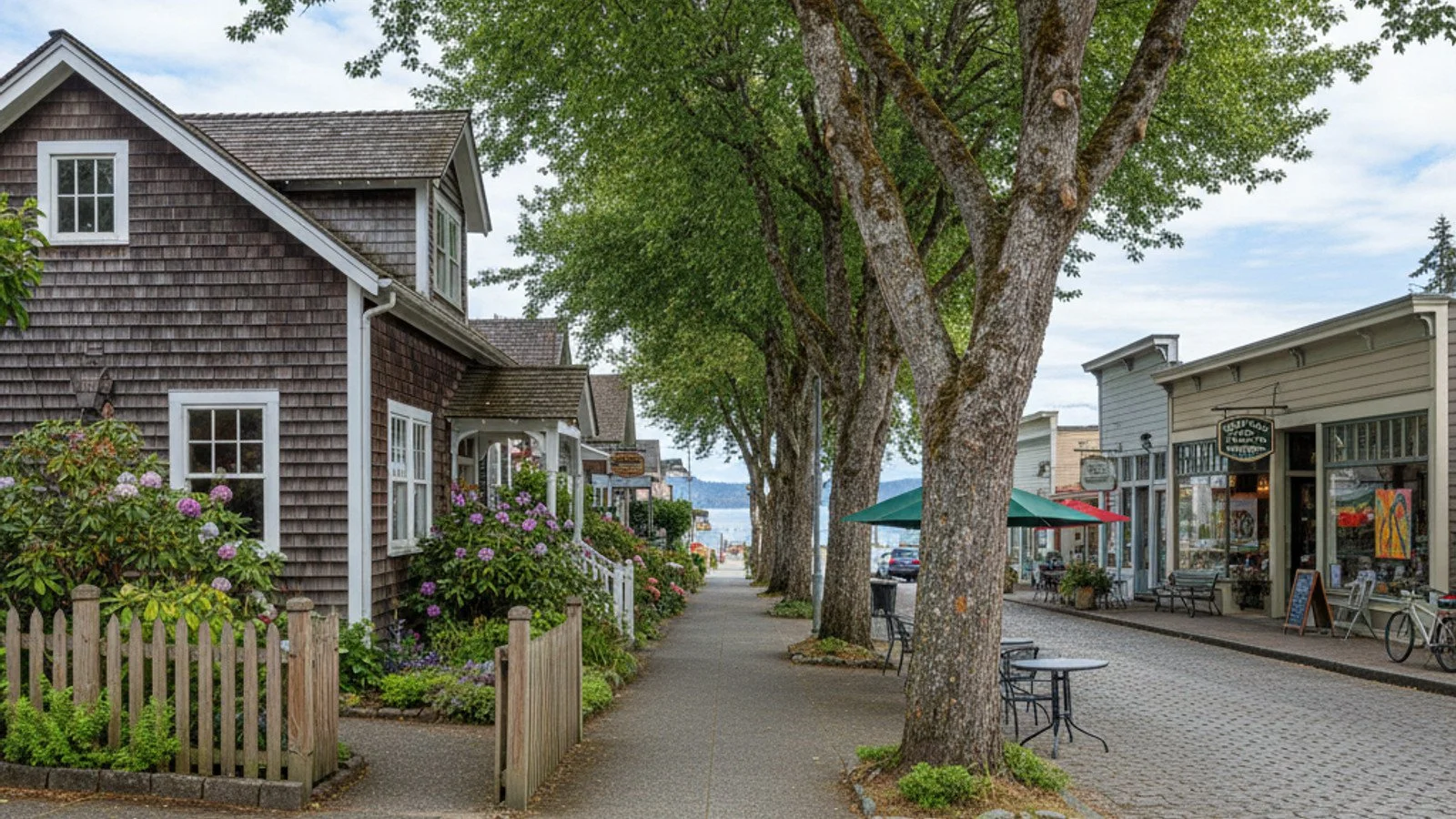
Langley sits perched on the bluffs of the Saratoga Passage, offering a distinct blend of maritime history and modern Pacific Northwest culture. Known locally as the Village by the Sea, this coastal community provides direct access to the waters of the Puget Sound while maintaining a robust local infrastructure. Buyers looking at Washington real estate often target this specific region to secure island life without fully sacrificing mainland convenience.
Navigating the local housing market requires a clear understanding of geographic boundaries and commute logistics. The 2026 landscape presents unique opportunities for those seeking everything from secluded acreage to walkable historic cottages. This guide breaks down the essential market data, daily amenities, and transportation realities that define living in the Langley area.
Langley WA Real Estate Market Trends and Average Home Prices
Current inventory shifts have created a noticeably balanced environment for buyers compared to the tight conditions seen in previous years. The median home price in early 2026 sits between $895,000 and $950,000, depending heavily on the specific neighborhood boundaries. This stabilization in pricing allows prospective residents more time to conduct thorough inspections and finalize appraisals without the pressure of immediate bidding wars.
Location dictates property value here, especially regarding proximity to the Puget Sound or the downtown commercial core. The median price per square foot hovers around $431 to $438 across the greater Langley area. Buyers prioritizing walkability often target historic downtown cottages, while those seeking privacy look toward heavily forested acreage just outside the village limits.
Waterfront properties along the Saratoga Passage remain the premium tier of local real estate, commanding top dollar for direct beach access. Navigating these waterfront options requires understanding how saltwater exposure impacts long-term property maintenance and insurance requirements. Buyers evaluating these high-end homes must factor in the structural upkeep necessary to withstand the coastal weather patterns.
Clinton-Mukilteo Ferry Commute Times to Seattle from Langley WA
Accessing the mainland requires coordinating daily travel with the Washington State Ferries system. The drive from downtown Langley to the Clinton ferry terminal takes approximately 10 to 15 minutes via WA-525. From there, the Clinton-Mukilteo route provides the primary bridge to the I-5 corridor and the greater Seattle metropolitan area.
The actual ferry crossing time is a brief 20 minutes across the Puget Sound. Ferries depart every 30 minutes for the majority of the day, making routine travel highly predictable for daily commuters. However, travelers in 2026 must account for temporary terminal construction in Mukilteo, which occasionally creates midday service pauses and requires strategic scheduling.
Once off the boat in Mukilteo, reaching downtown Seattle typically requires another 45 minutes of driving, depending heavily on regional traffic patterns. For those preferring not to commute by personal vehicle, local transit alternatives exist. Island Transit operates fare-free bus routes that connect Langley directly to the Clinton terminal and other Whidbey Island communities like Oak Harbor.
Langley WA Parks, Recreation, and Downtown Amenities
Langley offers an impressive array of outdoor spaces integrated directly into the village footprint. Seawall Park serves as the centerpiece of the downtown waterfront, providing 1,140 feet of saltwater beach access. Visitors and residents use this shoreline for clear views of the Cascade Mountains and frequent gray whale sightings during migration seasons.
Beyond the immediate shoreline, the area features substantial recreational acreage at South Whidbey Community Park. This facility includes extensive hiking trails and athletic fields set among dense old-growth forest. Accessing the water is also straightforward via the local marina, which serves as a popular launch point for kayaking and boating in the Salish Sea.
While the downtown core provides immediate charm, practical daily shopping requires a short trip out of the village. Larger supermarkets and essential retail services sit roughly five miles away in the Bayview area. This geographic separation keeps the village center focused on local enterprise rather than large-scale commercial development.
Arts Venues, Dining, and Everyday Commercial Conveniences
The commercial corridor in Langley leans heavily into local arts, independent retail, and regional dining. The Whidbey Island Center for the Arts anchors the cultural scene, hosting over 85 performances per season ranging from theater productions to live music. Just down the street, the Langley Whale Center provides educational exhibits focused exclusively on the local orca and gray whale populations.
Dining and shopping options within the village reflect a strong independent business culture. Local staples like the historic Clyde Theatre operate alongside numerous art galleries and boutique wineries. Restaurants focus on regional ingredients, offering everything from casual pizza to elevated seafood without relying on large national chains.
South Whidbey School District Langley WA Overview
The South Whidbey School District serves as the primary public education provider for the Langley area. This district covers a massive geographic footprint of 60 square miles across the southern portion of Whidbey Island. Managing this expansive territory requires a consolidated campus approach to maximize facility resources and transportation routes.
The district operates two main facilities to accommodate its entire student body. South Whidbey Elementary, also known as the North Campus, serves students in grades kindergarten through five. Older students attend the Secondary Campus, which combines the middle and high school grades into a single comprehensive facility.
Current 2026 enrollment statistics show approximately 1,117 full-time equivalent students across the district. This enrollment level allows for an average student-to-teacher ratio of roughly 16 to 1. This ratio offers a clear metric for buyers comparing the local educational infrastructure against larger, more crowded mainland districts.
Frequently Asked Questions (FAQ)
How long is the ferry ride from Clinton to Mukilteo?
The actual crossing time for the Clinton-Mukilteo ferry is approximately 20 minutes. Travelers should plan for additional wait times at the terminal, especially during summer weekends or the ongoing 2026 construction periods. Ferries typically depart every 30 minutes throughout the day.
What is the average home price in Langley, WA?
The median home price in the Langley area ranges from $895,000 to $950,000 in early 2026. Prices fluctuate significantly based on property type, with waterfront homes commanding the highest market premiums. The median price per square foot currently sits between $431 and $438.
Does Langley have a downtown commercial area?
Yes, Langley features a walkable downtown village filled with independent art galleries, local restaurants, and boutique shops. While it offers essential daily dining and entertainment, major grocery shopping requires a quick five-mile drive to the nearby Bayview Shopping Plaza.