Island Life with a PNW Twist: Choosing Your Whidbey Base
Moving to Whidbey Island isn't just about picking a house; it’s about choosing a specific lifestyle zone. Because the island is long and narrow—stretching about 55 miles from top to bottom—where you land determines everything from your commute to your grocery options.
When I talk to clients relocating to Washington State, I usually explain the "Great Whidbey Divide." The North End (Oak Harbor) feels more suburban and connected to the mainland via the bridge, largely anchored by the Navy base. The South End (Langley and Clinton) feels more rural, artistic, and reliant on the ferry to reach Seattle.
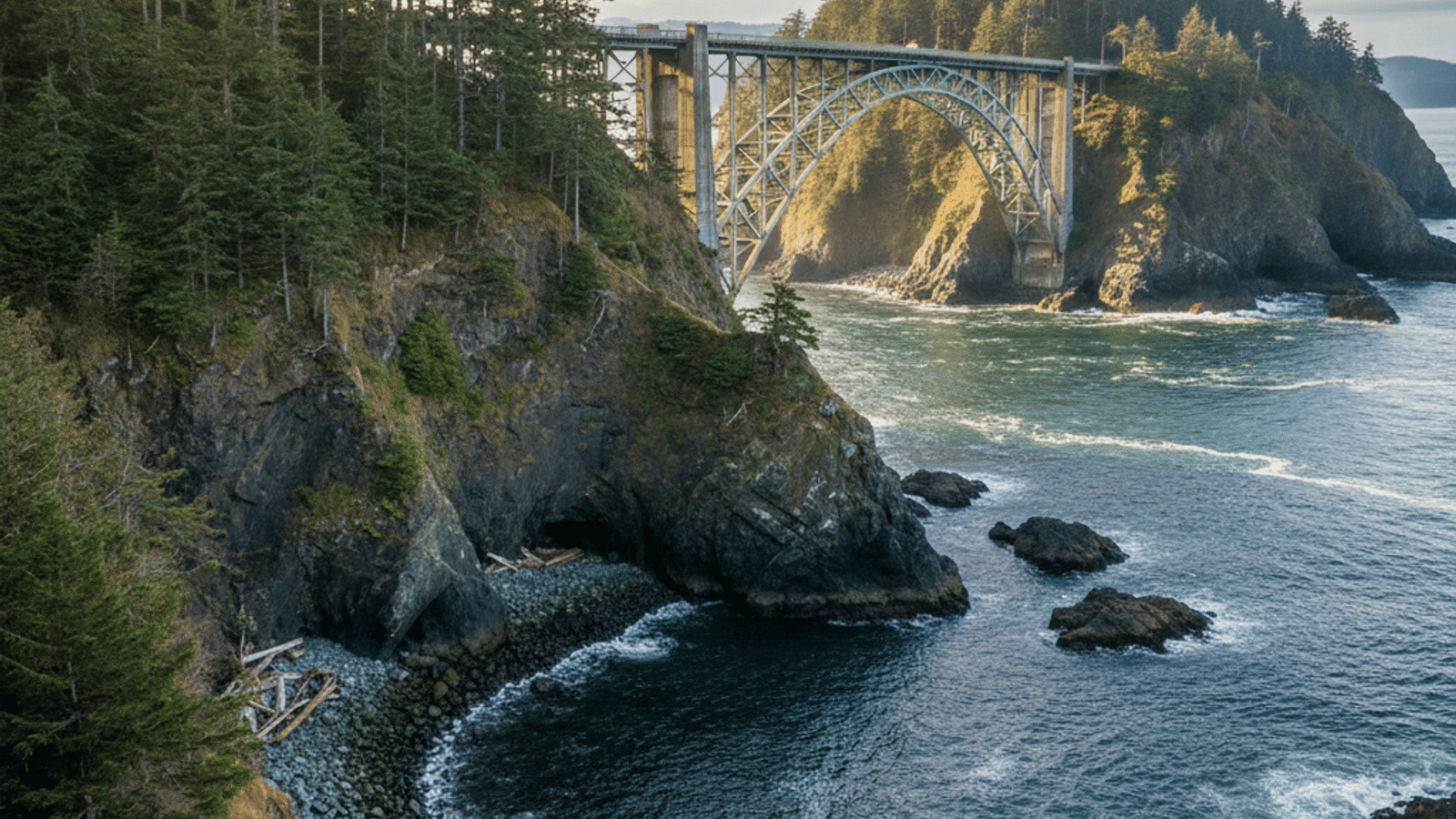
Your entry point defines your daily life here. If you are in the north, you drive across the iconic Deception Pass Bridge. If you settle in the south, your lifeline is the Mukilteo-Clinton Ferry. Let’s break down the neighborhoods so you can see which pace fits you best.
Oak Harbor: The Practical & Affordable North
Oak Harbor is the bustling engine of the island. As the largest city, this is where you go for practicality. It has a distinctly suburban vibe compared to the rest of Whidbey, and it’s where you’ll find the island’s main big-box retail—think Walmart, Home Depot, and major chain restaurants.
For many buyers, this is the default starting point. It is the best fit for military personnel transferring to NAS Whidbey, budget-conscious buyers, and anyone who prefers a conventional neighborhood layout over rural acreage. It’s also the most affordable market on the island, with median home prices hovering around the $550K–$600K range.
Neighborhoods to Watch
If you are looking for amenities, Sierra Country Club is a popular spot. Technically, in Coupeville (just barely), you can get into Oak Harbor without having to navigate Hwy 20. It offers a community pool, is near Fort Ebey State Park, and the views from most homes are outstanding. For those who prioritize walkability and sidewalks, Broad View is a strong contender and an example of many Oak Harbor neighborhoods that offer close proximity to local schools and a more traditional suburban feel.
The Commute & Market
Because of the military presence, the housing market here sees higher turnover than the south end. Rental inventory is also more robust, generally falling between $1,250 and $1,600 for apartments. Just keep in mind that while access to the bridge makes getting to Anacortes or Burlington easy, you are about a two hour drive from Seattle.
Coupeville: Historic Charm in the Heart of the Island
Heading south, things quiet down as you reach Coupeville. This is Washington’s second-oldest town, and it wears its history on its sleeve. If you’ve seen the movie Practical Magic, you already know the vibe—Victorian architecture, a walkable waterfront, and arguably the best mussels in the world from Penn Cove.
This area offers a middle ground between the busy north and the rural south. It is home to WhidbeyHealth Hospital and Island Counties seat of Government, making it a hub for healthcare and County workers. The pace here is slower, and the demographic tends to skew a bit older, popular among retirees who want access to Ebey’s Landing National Historical Reserve.
Neighborhoods to Watch
Buyers often look at Admiral’s Cove, which features beach access and a community pool, offering a nice mix of vacation-style living and permanent residence. Downtown Coupeville is the most sought after because of it’s walkability and charm.
A Note on Noise
While Coupeville is charming, it is essential to look at flight maps for the Navy. The Outlying Landing Field (OLF) is nearby, and Navy jet noise is a very real part of life here. It varies significantly by specific location, so spend some time in the neighborhood before writing an offer. The median home price here sits around $620K.
Freeland: The Commercial Heart of the South End
Freeland acts as the bridge between the rural south and commercial convenience. If you live in the south end, Freeland is likely where you run your errands. It’s a mix of rural sprawl and increasing commercial density, hosting the main grocery hub (Payless Foods) and essential hardware stores.
This area is ideal for those who want the beauty of South Whidbey without being a 20-minute drive from a gallon of milk. It is one of the faster-growing areas on the island because there is still buildable land available.
Neighborhoods to Watch
Holmes Harbor is a standout community here, known for its golf course and water views. It offers a structured neighborhood feel that can be hard to find in the south.
Shore Ave has the most expensive real estate on the island and is right next to Double Bluff Beach, which is widely considered one of the best off-leash dog beaches in the region. Expect a median price point around $725K, reflecting the higher demand for south-end living.
Langley: The "Village by the Sea"
Langley is the cultural heartbeat of Whidbey. It feels less like a town and more like a getaway, filled with art galleries, independent cafes, and theaters. It is highly walkable, very dog-friendly, and attracts significant tourism traffic on the weekends.
This is often the target for remote workers, artists, and second-home buyers who want that quintessential Pacific Northwest island charm. However, that charm comes at a premium. Langley commands some of the highest prices on the island, with median homes ranging from $740K to $800K.
Neighborhoods to Watch
If you are looking for amenities in the south, Useless Bay Colony is the premier choice. It features a country club, tennis courts, a pool, and private beach access. Sandy Point is another sought-after area offering waterfront living and distinct community character.
The rental market here is incredibly tight. Finding a long-term rental is difficult, and when houses do pop up, they often command $2,000+ per month.
Clinton: The Commuter’s Gateway
Clinton is the strategic choice for anyone who needs to be in Seattle or Everett regularly. Located at the southern tip of the island, it is the home of the ferry terminal. The vibe here is rural, forested, and quiet. There isn't a massive downtown; it’s primarily residential roads winding through the woods.
The main draw is the commute. The ferry crossing to Mukilteo takes about 20 minutes. Many residents walk on to the ferry to save money and time, utilizing the commuter parking lots which cost roughly $5/day (quarterly permits are also available).
Housing & Costs
Housing here runs the gamut from high-end view homes on the bluff overlooking the sound to modest cabins tucked into the trees. It’s a great spot if you want acreage and privacy but still need to get to the mainland office a few times a week. The median price sits around $690K.
When budgeting for life in Clinton, remember to factor in ferry costs. A passenger fare is around $7.50, but taking a vehicle runs $17–$21 depending on the season.
At a Glance: North vs. Central vs. South Whidbey
If you are trying to quickly narrow down your search, here is how the regions stack up:
North (Oak Harbor): Best for affordability and amenities. It has the most inventory and shopping, but you will hear the Navy jets.
Central (Coupeville/Greenbank): The best balance. You get historic charm and hospital access, but you need to check the noise zones.
South (Langley/Clinton): Best for Seattle access and culture. It offers rural privacy and artsy vibes, but it comes with the highest price tag.
Common Questions About Whidbey Island Living
Is there a toll to drive onto Whidbey Island?
No, if you drive from the north. The Deception Pass Bridge connects the north end of Whidbey to Fidalgo Island and the mainland, and it is completely free to cross. However, if you access the island from the south via the Mukilteo-Clinton ferry, you will pay a fare.
How long is the ferry ride from Whidbey to Seattle?
The ferry crossing itself from Clinton to Mukilteo is short, only about 20 minutes. However, commuting to Seattle takes longer. once you offload in Mukilteo, you still have a drive of roughly 30 to 45 minutes to downtown Seattle depending on traffic. Most commuters plan for a total trip of 1.5 hours each way to be safe.
Which Whidbey Island town has the best schools?
"Best" really depends on what environment you prefer for your student. Oak Harbor has the largest district with the most diverse course offerings and extracurriculars due to its size. Coupeville and South Whidbey (Langley/Clinton) are much smaller districts, offering a tighter-knit, more rural school experience with smaller class sizes.