Exploring the Coast: Your 2026 Freeland Whidbey Island WA Area Guide
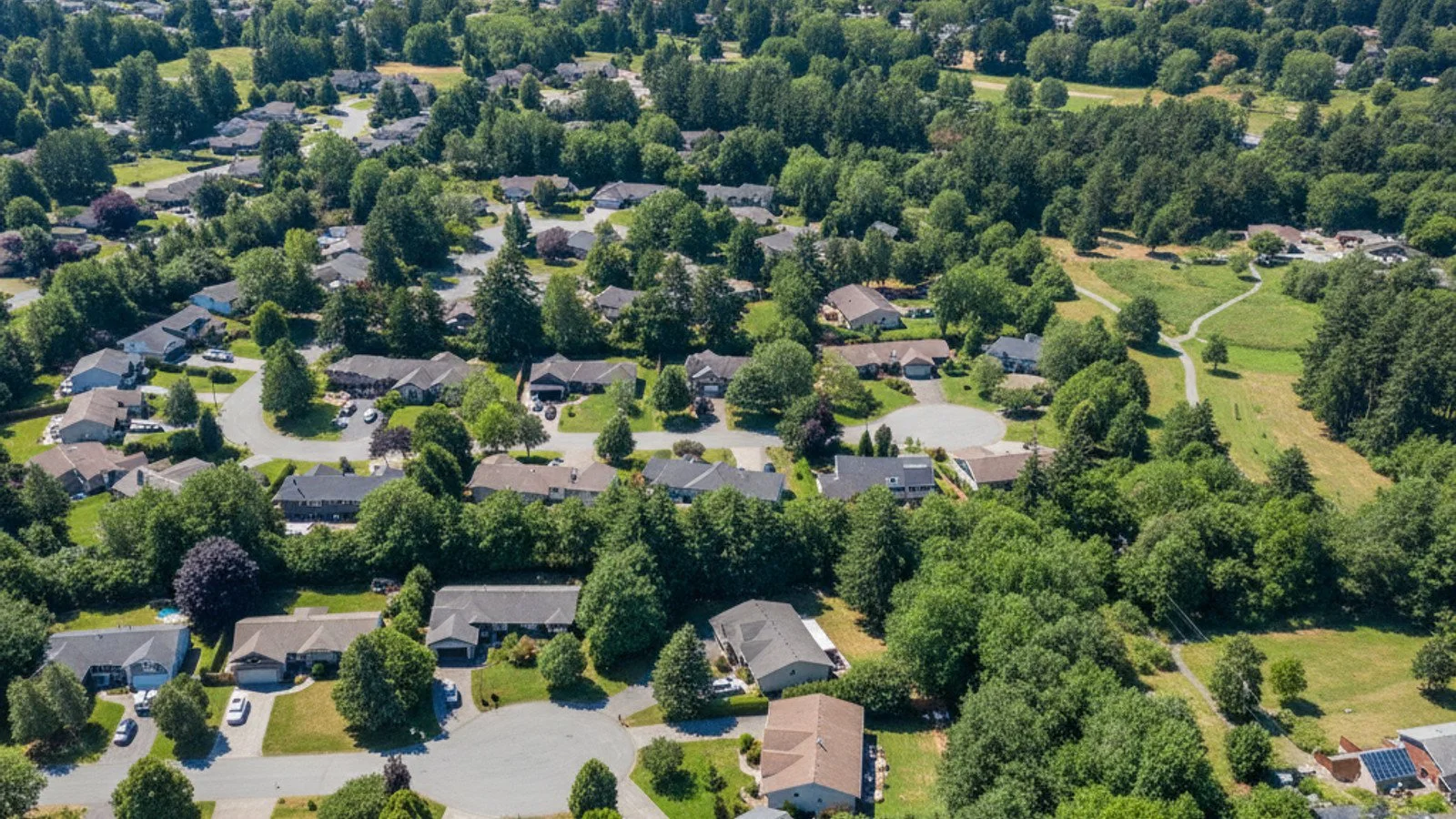
Situated on the scenic shores of Island County, Freeland serves as the commercial heart of South Whidbey Island. This unincorporated community offers a distinct blend of coastal natural beauty and practical daily convenience. Buyers looking at Washington state real estate often find this area provides a compelling balance of rural charm and essential services.
Navigating the local housing market requires a clear understanding of current property trends, commute logistics, and neighborhood features. This Freeland Whidbey Island WA area guide explores everything prospective buyers need to know about the local landscape in 2026. From waterfront acreage to standard single-family homes, the options here cater to a variety of real estate goals.
Welcome to Freeland, WA: A Complete Area Guide
Freeland anchors the southern half of Whidbey Island, providing residents with an established commercial infrastructure alongside access to Puget Sound. The community centers around Holmes Harbor, offering sweeping water views and a robust maritime atmosphere. Unlike some of the more isolated pockets of the island, this area maintains a steady pace of commerce year-round.
Prospective buyers exploring this guide will find objective data on property values, school zoning, and transportation logistics. Understanding the nuances of island living - from ferry schedules to seasonal market shifts - is crucial for making an informed purchase. The current local landscape demands a strategic approach to finding the right property.
Real Estate Market Trends and Property Types in Freeland
The 2026 Freeland housing market continues to demonstrate steady demand, driven by buyers seeking space outside the immediate Seattle metro area. Inventory levels generally peak during the late spring and summer months, creating a highly active buying season. Navigating this market requires decisive action, as well-priced homes near the water frequently attract multiple offers.
A clear takeaway for buyers this year is that turnkey properties command a premium, while homes needing updates sit slightly longer on the MLS. The pacing of the market heavily favors sellers when properties are priced accurately from day one. Buyers should prepare their financing well in advance to successfully secure a property in this coastal environment.
Median Home Prices and Housing Options
As of April 2026, the median home price in the area sits at approximately $610,000. This figure represents a stabilization after the rapid appreciation seen in previous years, giving buyers a more predictable landscape today. Available properties range from compact historic cabins to expansive waterfront estates overlooking the harbor.
Acreage is a significant draw for buyers relocating to Island County, with many parcels offering room for gardens, outbuildings, or workshops. Single-family homes make up the vast majority of the housing stock, though architectural styles vary widely. Understanding these median figures helps buyers set realistic expectations when browsing current inventory.
Local Amenities, Parks, and Holmes Harbor Recreation
Residents of Freeland enjoy immediate access to both rugged outdoor recreation and essential daily amenities. The geography of the area places dense forests, sandy beaches, and commercial centers within a few miles of each other. This proximity allows locals to spend a morning hiking and an afternoon running errands without leaving the community.
The balance of nature and commerce here is arguably the strongest on South Whidbey Island. While other local towns lean heavily into tourism or deep rural isolation, Freeland maintains a highly functional, year-round infrastructure. This practical design makes it an ideal location for those who want coastal beauty without sacrificing modern conveniences.
Freeland Park and Outdoor Attractions
Freeland Park serves as a central gathering space, featuring well-maintained picnic tables, open grassy areas, and direct access to Holmes Harbor. The public beach is a popular spot for launching boats, kayaking, and seasonal fishing. Facilities here include a reliable boat launch and ample parking for vehicles with trailers.
Just a short drive away, Double Bluff Beach provides miles of sandy shoreline and an expansive off-leash dog area. Visitors frequently explore the tidepools or enjoy views of the Olympic Mountains on clear days. Inland options like Earth Sanctuary offer peaceful walking trails through protected wetlands and forests.
Shopping and Dining on East Main Street
The commercial corridor along East Main Street provides residents with grocery stores, hardware suppliers, and professional services. This central hub eliminates the need to drive to Oak Harbor or the mainland for standard household necessities. Local artisan shops and independent coffeehouses add character to the main thoroughfare.
Dining options in the area focus on fresh ingredients and comfortable atmospheres. Local staples like China City and Fare Market offer reliable meals, while nearby bistros frequently feature fresh seafood and regional wine. The restaurant scene here prioritizes consistent quality over late-night nightlife.
South Whidbey School District Overview
Public education in this portion of Island County is managed by the South Whidbey School District. The district covers a large geographic footprint, pulling students from Clinton, Langley, and Freeland into centralized campuses. This structure allows the district to pool resources and offer comprehensive academic and extracurricular programs.
A key objective takeaway regarding the district is its efficient consolidation of facilities, which minimizes administrative overhead. Bus routes are well-established to handle the rural distances, ensuring reliable transportation for students across the southern half of the island. Buyers evaluating the area will find the school zoning straightforward and clearly defined.
Public Schools Serving Freeland
The district operates a streamlined campus model to serve the local student population effectively. Grade levels are distinctly separated to provide targeted educational environments.
The core public schools serving the Freeland zip code include:
South Whidbey Elementary (Grades ITK - 5)
South Whidbey Middle School (Grades 6 - 8)
South Whidbey High School (Grades 9 - 12)
South Whidbey Academy (Grades 10 - 12 alternative program)
These campuses are located just south of Freeland, requiring a short commute down State Route 525. The centralized approach helps maintain consistent class sizes and facility standards.
Transportation Logistics and Commuting from Freeland
Navigating on and off Whidbey Island is a primary consideration for anyone moving to the area. State Route 525 acts as the main artery connecting Freeland to the rest of the island and the mainland ferry system. Traffic flows smoothly for most of the year, though summer weekends see increased volume from seasonal visitors.
A realistic takeaway for island commuting is that the ferry dictates the schedule for any mainland travel. Residents quickly learn to plan their trips around crossing times and potential delays during peak hours. Working locally or remotely is highly advantageous, though many residents do manage a hybrid commute to the Seattle metro area.
Driving to the Clinton Ferry Terminal
The drive from central Freeland to the Clinton ferry terminal covers approximately 9.5 miles along the main highway. Under normal conditions, this trip takes roughly 12 to 15 minutes by car. The route is direct, with minimal stops or complex intersections to navigate.
For those who prefer not to drive, public transit is a viable alternative. Island Transit operates fare-free bus routes that connect Freeland directly to the ferry terminal. This service is highly utilized by daily commuters looking to walk onto the ferry and avoid vehicle wait times.
Crossing to the Mukilteo Mainland
The Washington State Ferries system operates the route between Clinton and Mukilteo, bridging the gap to the mainland. This 3-mile crossing takes approximately 20 minutes once the vessel departs the dock. The route is one of the busiest in the state, serving both daily commuters and commercial freight.
Ferries typically depart every 30 minutes during standard operational hours. Wait times can extend to an hour or more during Friday afternoons or holiday weekends, requiring strategic planning. Commuters often utilize the state transportation app to monitor camera feeds and capacity updates in real time.
Frequently Asked Questions About Freeland, WA
What is the cost of living in Freeland, WA?
The cost of living in Freeland is generally higher than the national average, heavily influenced by housing costs and island transportation logistics. With a median home price of approximately $610,000, real estate is the primary expense for residents. Daily essentials like groceries and fuel also carry a slight premium due to the costs of freight shipping to the island.
Is public transit available in Freeland?
Yes, public transit is readily available through the Island Transit system. The agency provides fare-free bus service that runs along State Route 525, connecting Freeland to Oak Harbor in the north and the Clinton ferry terminal in the south. This service is highly reliable and features bicycle racks for multi-modal commuters.
What outdoor activities are popular in Freeland?
Residents frequently engage in hiking, boating, and beachcombing throughout the year. Double Bluff Beach is a premier destination for off-leash dog walking and exploring expansive tidepools during low tide. Fishing and kayaking are also highly popular, with easy water access available directly from the boat launch at Freeland Park.