Exploring the History of Coupeville, WA for Today's Homebuyers
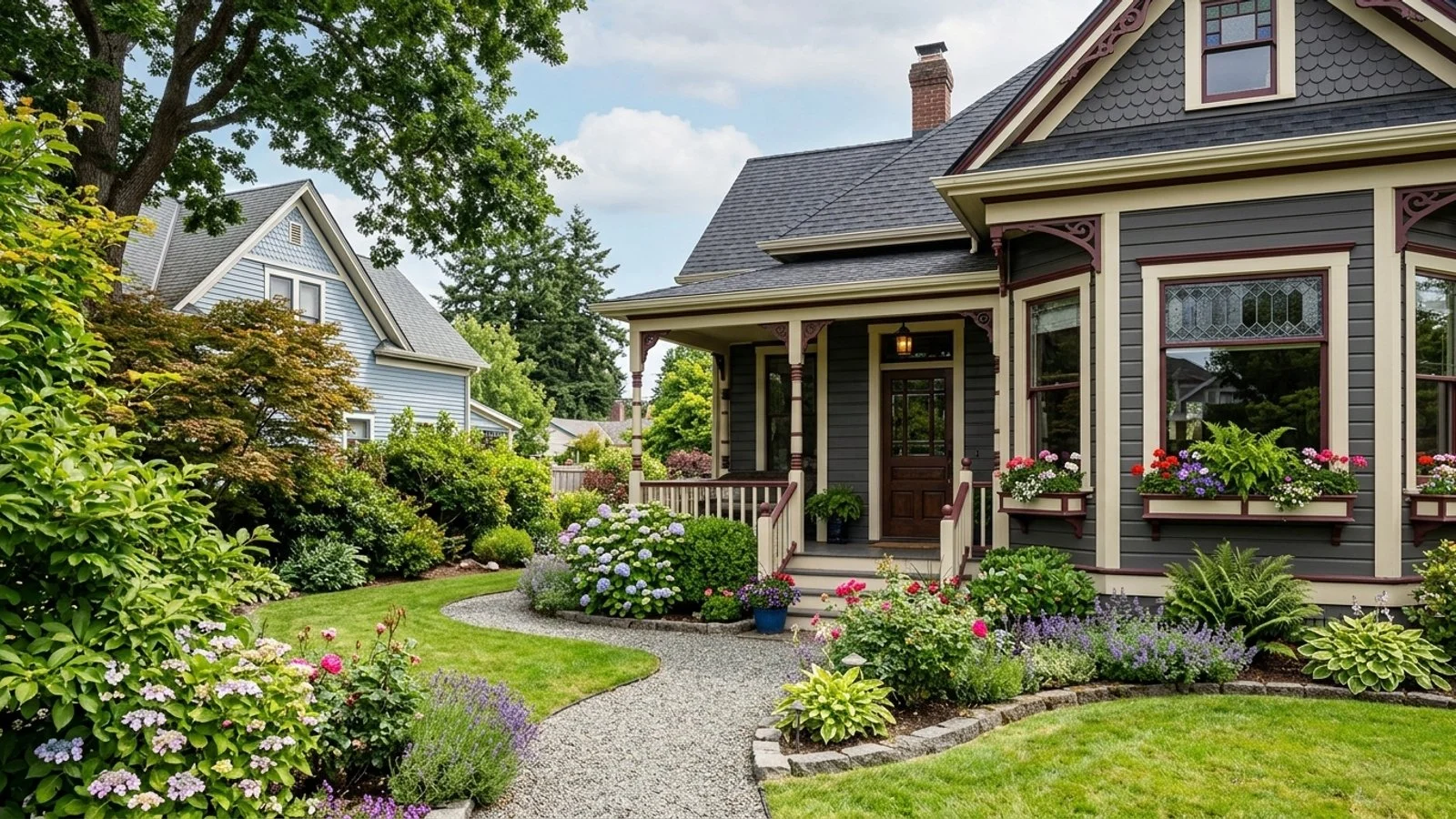
Coupeville was founded in 1852 on Whidbey Island and remains one of the oldest towns in Washington State. If you're considering living in Coupeville and looking at the market here today, the median home sale price sits around $470,800 - and that number reflects something real about this place.
The town is the county seat of Island County, and it carries a maritime past that you can still see in the architecture, the wharf, and the water. Homes here spend roughly 17 days on the market before selling. That's not an accident.
Early Settlement and Town Origins
Captain Thomas Coupe arrived in Puget Sound in 1852 and filed a 320-acre donation land claim on the site. Retired sea captains and farmers followed, and a local economy took shape around what those people knew: ships, fish, timber, and land.
John Alexander had actually arrived a year earlier, in 1851, filing a claim that became the western portion of town. Coupe's land anchored the eastern half. The two claims together formed the bones of the settlement, which officially incorporated as a town on April 20, 1910.
Early residents made their living from shipbuilding and exporting fish, produce, and timber out through Puget Sound. The surrounding prairie supported farmers growing wheat, oats, barley, fruit, and potatoes. This wasn't a resort community in the making - it was a working place from the start.
Location Details and County Boundaries
Coupeville sits on Whidbey Island and functions as the official county seat of Island County. The town and the rest of the county make up the Oak Harbor, Washington Micropolitan Statistical Area, which is itself part of the broader Seattle–Tacoma, WA Combined Statistical Area. So you're on an island, but you're not isolated from regional infrastructure.
What you will feel, though, is the tightness of the local housing supply. As of mid-2026, there are about 7 available homes and roughly 3.5 months of supply. Buyers should expect to pay close to asking - properties here are selling for about 97% of their list price. That's the market being honest with you.
The Story Behind the Town's Name
The name comes directly from Captain Thomas Coupe, who filed that original 320-acre claim on the eastern side of the settlement. He and military officer Granville O. Haller are the two most notable figures associated with the area's early history.
Coupeville has stayed a town rather than growing into a city, and that distinction matters. The scale has held, and you'll feel it in the inventory - there simply aren't many homes here, and that's by nature more than by policy.
Preserved Landmarks and Local Museums
Coupeville's historic district sits inside the federal Ebey's Landing National Historical Reserve, which covers 22 square miles and includes Fort Ebey State Park, Fort Casey State Park, and miles of shoreline. Within the reserve, 91 buildings and structures are listed on the National Register of Historic Places.
Two landmarks you'll notice immediately in town are the historic Coupeville Wharf and the Alexander Blockhouse. Both are hard to miss and worth understanding before you buy nearby.
The Island County Historical Society Museum in downtown Coupeville is where you go if you want to dig into community records. It functions as the local heritage museum and includes a research center - useful if you're trying to trace a property's history before making an offer.
Signature Foods and Cultural Identity
Penn Cove runs right along the edge of town, and it's the source of Penn Cove Mussels - probably the single thing most people outside the island associate with Coupeville. That reputation is real and it drives meaningful foot traffic to the waterfront.
It's a continuation of something old. The early shipping routes that moved fish out of Puget Sound built the commercial relationships and infrastructure that still support local restaurants today. The water was always the point.
What you're buying into here - beyond the square footage and the lot size - is a town that takes its identity seriously. Maritime history, historic architecture, local food production: Coupeville doesn't treat those things as marketing. They're just what the place is.
Frequently Asked Questions
What are the remodeling restrictions when buying a historic home in Coupeville, WA?
It depends on the specific property. Homes listed among the 91 buildings on the National Register of Historic Places often carry specific preservation guidelines, particularly for exterior work. Before you plan any major renovations, verify the property's historic status - don't assume either way.
How does being located in Ebey's Landing National Historical Reserve affect my property rights?
The reserve spans 22 square miles and includes state parks, shorelines, and private properties. If your home falls within that boundary, you're part of a federally protected historical landscape, and that can influence zoning and development rules. It's worth understanding exactly where a specific parcel stands before you close.
Do all properties in Coupeville fall under the town's historic preservation design review?
No. The Ebey's Landing Reserve covers a large area, but historic preservation requirements typically apply to specific structures - the 91 buildings on the National Register, not every home in the broader area. Your agent or a local land use attorney can help you determine what applies to a given property.
How does the historic designation impact property values in Coupeville compared to other Whidbey Island towns?
Historic properties can hold distinctive value, but the broader market sets the floor. The median sale price in Coupeville is roughly $470,800, and homes are generally selling in about 17 days - steady demand across both historic and newer homes. The designation adds character; the market adds the price.