Living in Freeland, Whidbey Island, WA: 2026 Local Guide & Home Prices
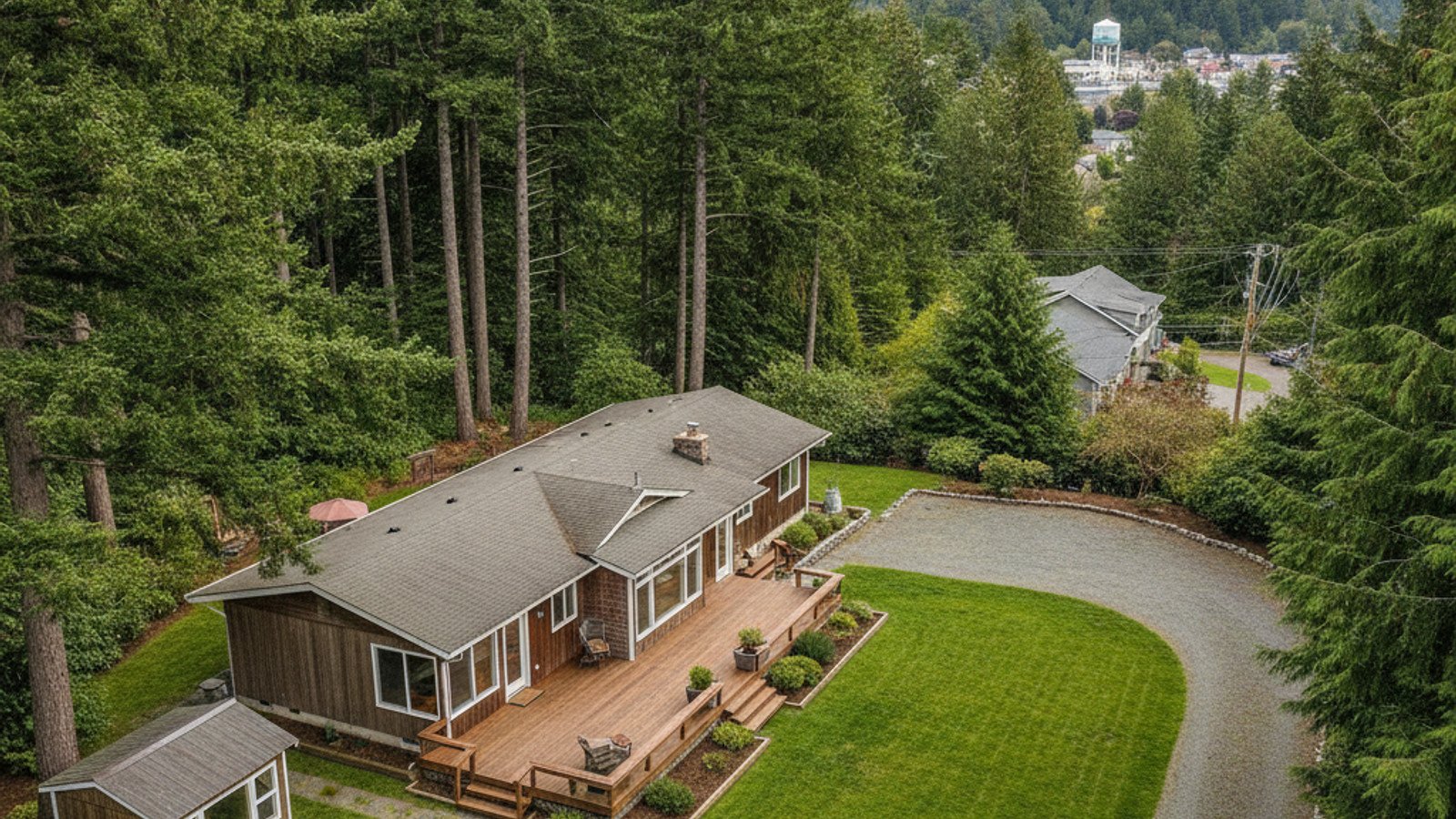
Freeland sits on the southern half of Whidbey Island - unincorporated, quietly functional, and more useful on a daily basis than its size might suggest. As one of the best neighborhoods in Whidbey Island, WA and the island's primary commercial hub south of Oak Harbor, it's the kind of place where you can actually run errands without catching a ferry.
The housing market moves fast here, in line with what's happening across Island County broadly. The median home price for Whidbey Island is hovering around $630,000, and Freeland itself spans a wide range - established waterfront homes on Holmes Harbor, newer construction inland, and a few things in between. If you're weighing the south end of the island, this is the community that anchors it.
What to Expect from Freeland
Freeland runs along State Route 525, which makes it the de facto transit point for the whole southern island. Grocery stores, hardware shops, professional services - it's all clustered near the highway, and residents from the quieter surrounding communities come here to handle the basics.
Step off the main commercial strip and the landscape shifts quickly. Forested residential roads, shoreline properties, wooded acreage - it doesn't take long before you're genuinely out of town. Buyers who come to Freeland specifically for the water tend to focus on Holmes Harbor, which offers protected views and sheltered shoreline that the open-water properties can't always match.
Where Freeland Fits on Whidbey Island
Geographically, Freeland sits between Clinton to the south and Greenbank to the north. That puts you roughly 15 minutes from the Clinton ferry terminal, which connects to Mukilteo and the greater Seattle metro area. For anyone commuting to the mainland, that's the number that matters most.
Because Freeland holds most of the south end's retail, people drive in from surrounding towns regularly. There's a steady flow of local traffic along the main corridors that sets it apart from the purely residential pockets elsewhere on the island - not congested, but noticeably active.
Local Character and Housing Setting
The character here is defined by two things working alongside each other: utility and environment. You get a functioning town center, and it happens to be wrapped in coastal forest. That combination is genuinely hard to find.
Residential lots tend to run larger than what you'd see in a mainland subdivision. Many properties are set up for outdoor life - big decks, mature evergreens, outbuildings for workshops or boat storage. It's not the kind of place where houses are stacked close together.
Freeland Real Estate and Home Prices
The island-wide median sale price sits at roughly $630,000, with homes spending a median of 18 days on the market. Freeland's specific numbers trend higher than that island-wide figure, though estimates vary depending on which source you're looking at.
Orchard reports a median sale price of $835,000 over the last 30 days. Homes.com puts the median at $749,000. Zillow's Home Value Index shows a typical value of around $699,233. What all three sources agree on, more or less, is that this is a fast-moving market - the average sale-to-list ratio across the island is around 99.4%, and roughly 36% of properties close above the initial list price.
Dominant Home Types
The housing stock here is genuinely varied. Mid-century single-story homes, Pacific Northwest contemporaries, modern custom builds - you'll find all of them. Waterfront and water-view properties command the clearest premium, particularly those facing Holmes Harbor to the east or the Olympic Peninsula to the west.
Inland, many properties sit on acreage - appealing if you want privacy or space for gardens. Closer to the commercial center, there's also a selection of townhomes and smaller-footprint properties for buyers who'd rather spend their weekends doing something other than yard work.
Current Pricing and Market Activity
With about 3.1 months of supply island-wide, inventory is tight. Move-in ready homes priced in line with recent comparables are seeing strong demand, and that's not likely to ease significantly anytime soon.
One thing worth factoring in early: the age of the home and what the marine environment does to it over time. Older homes near the water require specialized maintenance that inland properties don't. Newer construction typically comes with modern energy-efficient materials that reduce some of that ongoing cost. It's not a reason to avoid older waterfront homes - just something to price accurately before you make an offer.
Dining, Shopping, and Daily Commutes
Freeland handles most daily errands without requiring a long drive - that's genuinely not the case for some of the more isolated areas on the island. The town center has grocery stores, banks, pharmacies, and local hardware suppliers, and State Route 525 connects you directly to the Clinton ferry terminal to the south and continues north toward Coupeville and Oak Harbor.
It's a practical setup, which is a bigger selling point than it might sound.
Everyday Dining Options
The local restaurant scene covers casual and sit-down options without much pretense. Frequently cited spots include Leo & Leto's, Fare Market, Orchard Kitchen, and the Freeland Café and Lounge. For quicker meals, residents go to Rocket Taco, The Barnyard, Taquería Los Cantaritos, Geri's Snack Shack, or Japonica Diner.
Whidbey Coffee covers the morning commuter crowd - there's a decent coffee culture here for a town this size.
Parks and Recreation
Freeland Park on Holmes Harbor is the town's central waterfront space - sandy beach, boat launch and dock, picnic shelters, a playground, and walking trails. It's well-used, and for good reason.
For something bigger, South Whidbey Island State Park is nearby and offers 347 acres of old-growth forest and Puget Sound shoreline. Year-round water and trail access, no long drive required.
Schools, Medical Care, and Weather
Freeland is primarily served by the South Whidbey School District, with local medical care anchored by WhidbeyHealth facilities. Neither of those is the whole story, though - Freeland's position means it shares some service area boundaries with neighboring towns, and the details matter when you're buying a specific property.
Local School Districts
Most homes in Freeland fall within the South Whidbey School District, which manages public education for the southern portion of the island. That said, some elementary school boundaries in the broader Freeland area cross into the Coupeville School District. Verify your specific address against the official district attendance maps - don't assume.
Healthcare Access
WhidbeyHealth operates a Primary Care clinic directly in Freeland, part of the WhidbeyHealth Medical Center system - a Public Hospital District with locations across Whidbey Island from Oak Harbor to Clinton. For everyday medical needs, you don't have to leave town.
For emergency services or more extensive care, you'll head north. The nearest full hospital is the WhidbeyHealth Medical Center in Coupeville.
Climate and Seasonal Weather
Freeland sits in the rain shadow of the Olympic Mountains, so it receives less annual rainfall than the Seattle mainland. Summers are generally sunny with temperatures in the 70s. Winters bring overcast skies, regular drizzle, and temperatures in the 40s. Snow happens occasionally and can affect travel on local roads, but it's not a frequent problem.
If you're coming from Seattle, the weather here will feel familiar but noticeably drier.
Short-Term Rentals and Investment Properties
Whidbey Island has a long history as a second-home destination, and that's not changing. Freeland's waterfront properties attract investment buyers consistently, driven by the island's proximity to the Seattle metropolitan area and the outdoor recreation that brings people out here in the first place.
Buyers looking at rental income often target homes near Holmes Harbor or properties with expansive Puget Sound views. With tight inventory across the island, traditional year-round leasing is also a viable strategy - limited supply tends to support steady occupancy.
Licensing and Local Rules
Island County enforces specific zoning and permitting rules for short-term rentals, including capacity limits. Before you buy an investment property, talk to the county's planning department directly. These regulations dictate where short-term rentals can operate and how they're managed, and they can change - don't rely on what a previous owner did or what a listing says.
Getting the proper licenses sorted early avoids compliance problems later. It's a straightforward process if you don't skip it.
Evaluating Income Properties
Location and property condition carry equal weight when you're assessing rental potential. Homes closer to State Route 525 offer easier access for guests; more remote cabins appeal to buyers seeking privacy. Neither is wrong - they attract different renters.
Factor in maintenance costs carefully, especially for older properties near the water. Marine environments accelerate wear on exteriors, and that affects your long-term carrying costs in ways that an inland property simply doesn't.
Finding Your Freeland Home
There are roughly 236 homes in active inventory across Whidbey Island. That's not a deep pool, which means knowing what you want before you start looking isn't just helpful - it's necessary.
A wooded lot, a low-maintenance townhome near the commercial center, a waterfront house with a private dock - those are very different searches, and the inventory doesn't leave much room to decide slowly. Know your parameters early.
Working with a local agent who understands the Island County market is worth it. Pricing trends, property condition in a marine environment, structuring a competitive offer when something good comes up - these aren't things you want to figure out in real time on a fast-moving listing.
Frequently Asked Questions
How do real estate prices in Freeland compare to neighboring South Whidbey towns like Langley or Clinton?
Prices in Freeland vary by source, with median estimates ranging from $699,233 to $835,000. That generally aligns with - and in some cases exceeds - the broader Whidbey Island median of $630,000. Waterfront properties in Freeland, Langley, or Clinton will all command higher premiums depending on views and acreage.
Are homes in Freeland, WA connected to a public sewer system, or will I need to maintain a private septic tank?
It depends on the property's specific location. Infrastructure varies between the commercial center along State Route 525 and the more rural residential lots. Verify the utility setup during the inspection period - don't assume either way.
What are the current Island County zoning rules for operating a short-term rental or Airbnb in Freeland?
Island County enforces specific zoning and permitting requirements for short-term rentals, including capacity limits. These regulations can change, so check directly with the Island County planning department for the most current rules before you buy.
How long is the typical daily commute from Freeland to the Clinton ferry terminal for mainland workers?
It's roughly 15 minutes via State Route 525. From the Clinton terminal, the ferry connects directly to Mukilteo and the greater Seattle area.
How long do residential properties usually stay on the market in Freeland during the winter off-season?
Across Whidbey Island, the current median is 18 days on market. Winter activity is generally slower than spring and summer, but well-priced homes still move quickly - limited inventory keeps demand steady year-round.
Which Freeland neighborhoods offer the best residential access to public waterfronts like Double Bluff Beach or Holmes Harbor?
Properties near Freeland Park put you closest to Holmes Harbor - the sandy beach, boat launch, and walking trails are right there. For broader Puget Sound shoreline access, look at homes near South Whidbey Island State Park, which offers 347 acres of old-growth forest and beach access.