Comparing Real Estate in Coupeville, WA vs Washington, DC for 2026
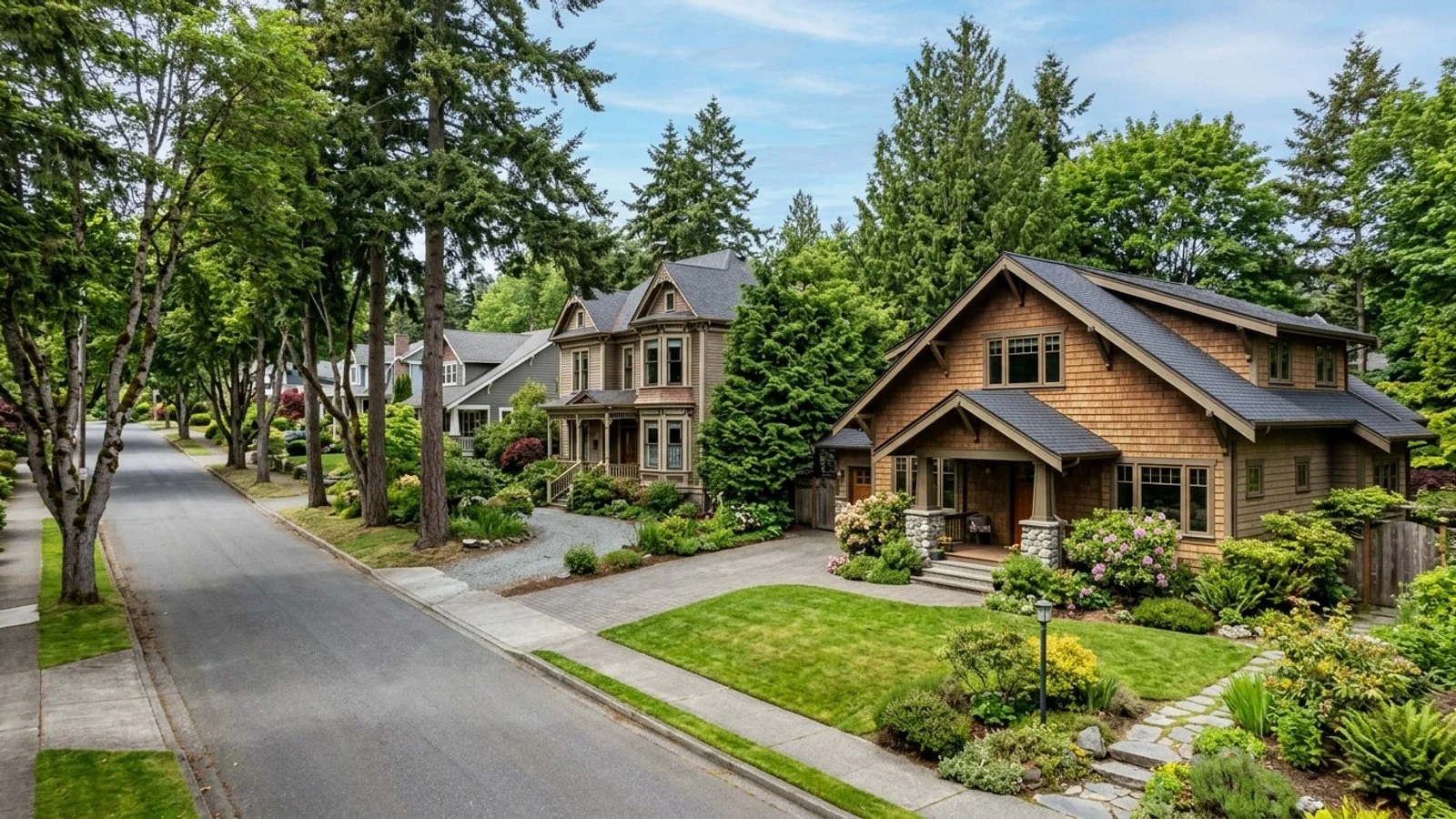
These two markets couldn't be more different, and that's exactly the point. Coupeville, WA sits on Whidbey Island in the Puget Sound - a maritime community that operates on island time, literally and figuratively. Washington, DC is a dense urban grid where everything moves fast and nothing is cheap. If you're trying to decide between the two, you need a clear picture of what each market actually looks like before you start making offers.
The differences run deeper than just price. Property styles, daily routines, tax structures, and even how you get to an airport are all part of the equation when you're weighing a cross-country move.
Real Estate Market Differences
The numbers tell the story quickly. As of May 2026, the median sale price in Coupeville sits around $470,800. Washington, DC's median comes in near $700,000 - and that's before you factor in the neighborhoods that push well above it.
Coupeville also moves fast for a small town. With roughly 17 days on market, only about seven active listings, and 3.5 months of supply, this is not a place where you can take your time. When the right property shows up, you need to be ready.
Housing Types and Architecture
DC buyers are largely shopping a different product category: historic brick rowhouses, high-rise condos, attached townhomes engineered to squeeze usable space out of a dense urban footprint. Proximity to Metro stations and walkable commercial streets tends to drive a lot of the decision-making there.
Coupeville is almost entirely detached single-family homes. Expect Pacific Northwest architectural influences, larger lots, coastal views in many cases, and wood-sided construction built for Island County's maritime climate.
Average Prices and Sales Timelines
That $230,000 gap in median prices between the two markets is real, though Zillow's broader typical home value estimate for DC comes in around $577,000 - pulled down by the sheer volume of smaller condo units in the mix.
In Coupeville, half of recently sold homes went above asking, and the average sale-to-list ratio is 97.5%. With inventory as tight as it is, competitive offers are the expectation.
Cost of Living and Property Taxes
Island County's effective property tax rate runs roughly 0.67% to 0.73%, which sits below Washington state's median of 0.92%. In Washington, DC, the nominal rate is $0.85 per $100 of assessed value, but the Homestead Deduction typically brings the effective rate down to around 0.6% to 0.63%.
On paper the tax rates end up fairly close. The bigger difference is the base: Coupeville's lower median price means a smaller annual bill in most cases. East Coast buyers should also account for the fact that Washington state collects no personal income tax - a meaningful shift in your overall tax picture if you're coming from DC.
Breaking Down Property Taxes
At Coupeville's median of $470,800, you're looking at an estimated annual property tax bill somewhere between $3,150 and $3,430. The Island County median runs closer to $3,999 because higher-value waterfront estates pull that number up.
In DC, a $700,000 home - after the Homestead Deduction is applied - typically generates a tax bill in the $4,200 to $4,400 range. If you're buying as a primary residence in DC, confirm your eligibility for that deduction early. It makes a real difference.
Everyday Expenses and Utilities
This is where the lifestyle shift becomes tangible. DC residents pay for urban convenience - dining, transit access, proximity to everything - and the cost of living reflects that.
On Whidbey Island, the math works differently. Ferries and bridge access govern how goods reach the island, which means certain grocery and utility costs move in ways that don't mirror a mainland city. It's not necessarily more expensive across the board, but it is different, and worth understanding before you close.
Travel Logistics and Cross-Country Moves
The distance between Coupeville and Washington, DC is close to 2,800 miles. There's no version of this where you're commuting. This is a permanent relocation, and it requires planning to match.
One of the sharpest practical contrasts between the two locations is airport access. DC has three major international airports within roughly an hour's drive. Coupeville does not.
Airport Access and Flight Routes
The general aviation facilities closest to Coupeville - Lopez Island Airport, Friday Harbor Airport, and Anacortes Airport - sit 20 to 35 miles away and aren't built for commercial cross-country travel. For flights to the East Coast, you're heading to Paine Field in Everett or Seattle-Tacoma International Airport (SEA), which means a 30- to 70-mile drive depending on ferry schedules and your route off the island.
Plan around that reality, not against it.
Moving Considerations
Getting a moving truck to Whidbey Island adds a layer of complexity that most interstate movers don't deal with every day. Trucks either drive north through Deception Pass or use the Washington State Ferry system - either way, it adds time and cost to your relocation budget.
Coordinate your closing date with your moving company's delivery window before you lock in a timeline. A local storage unit in Island County can also give you some breathing room if the timing doesn't line up perfectly.
Local Amenities and Recreation
These two places offer genuinely different versions of daily life. DC has national museums, performing arts venues, and Michelin-starred restaurants within Metro distance. Coupeville organizes its recreation around the Puget Sound - maritime history, outdoor access, and a pace that reflects island life.
Both towns take their history seriously. DC's federal architecture and monument corridors are in a category of their own. Coupeville's preserved 19th-century commercial waterfront is a different kind of history, but it's no less real.
Parks and Outdoor Spaces
Fort Casey State Park - a historic coastal defense site near town - draws hikers and people who want to explore the old military batteries along the water. Fort Ebey State Park adds trails and beachfront access along the island's western shore.
DC's equivalent is urban parks: Rock Creek Park, the National Mall. Different scale, different character, different use.
Dining and Historic Districts
Georgetown, Logan Circle, and neighborhoods throughout DC give residents access to thousands of restaurants spanning international cuisines and price points, all reachable by Metro.
Coupeville's commercial district runs along its historic waterfront and stays local by nature - regional seafood, produce from the island's farms, independent cafes. It serves a year-round population that isn't looking for a Michelin guide. That's not a knock; it's just what the town is.
Frequently Asked Questions
How much further does my housing budget go in Coupeville, WA compared to the Washington, DC metro area?
Generally, your budget goes further in Coupeville - but it depends on what you're buying. The median home price in Coupeville is around $470,800, compared to roughly $700,000 in Washington, DC.
If I am PCSing from Washington, DC to NAS Whidbey Island, is it better to buy a home in Coupeville or Oak Harbor?
That depends on how you weight your commute against your preferred lifestyle. Oak Harbor is closer to the base. Coupeville is a short drive south and sits on a historic waterfront. Neither answer is wrong - it comes down to your daily routine.
How do property taxes and historic home maintenance in Coupeville compare to historic districts in DC?
The effective tax rates end up fairly close - Island County runs 0.67% to 0.73%, and DC comes in around 0.6% to 0.63% after the Homestead Deduction. The maintenance picture is different: a wood-sided home in Coupeville's maritime climate has its own upkeep demands, and they don't look much like what's required to maintain a brick rowhouse in a DC historic district.
What are the biggest hidden costs or lifestyle adjustments when relocating from a major city like DC to Coupeville?
Transportation is the biggest one. You're giving up the DC Metro and replacing it with personal vehicles and a 30- to 70-mile drive to reach major airports like Paine Field or Seattle-Tacoma International. Budget for that shift from the start.
How does the daily commute and reliance on the Washington State Ferry system in Coupeville compare to using the DC Metro?
They're not comparable in any practical sense. DC Metro is high-frequency urban rail. Getting off Whidbey Island means a personal vehicle and scheduled ferry sailings. If you need to reach mainland services regularly, factor that into how you think about the move.
How long does the home buying and closing process typically take in Island County when managing a cross-country move from the East Coast?
Homes in Coupeville are spending a median of 17 days on market before going under contract. After an accepted offer, a standard closing runs 30 to 45 days. Managing that timeline from the East Coast requires advance coordination - don't assume you can handle it on the fly.