Housing and Cost Comparison for Coupeville, WA vs Richland in 2026
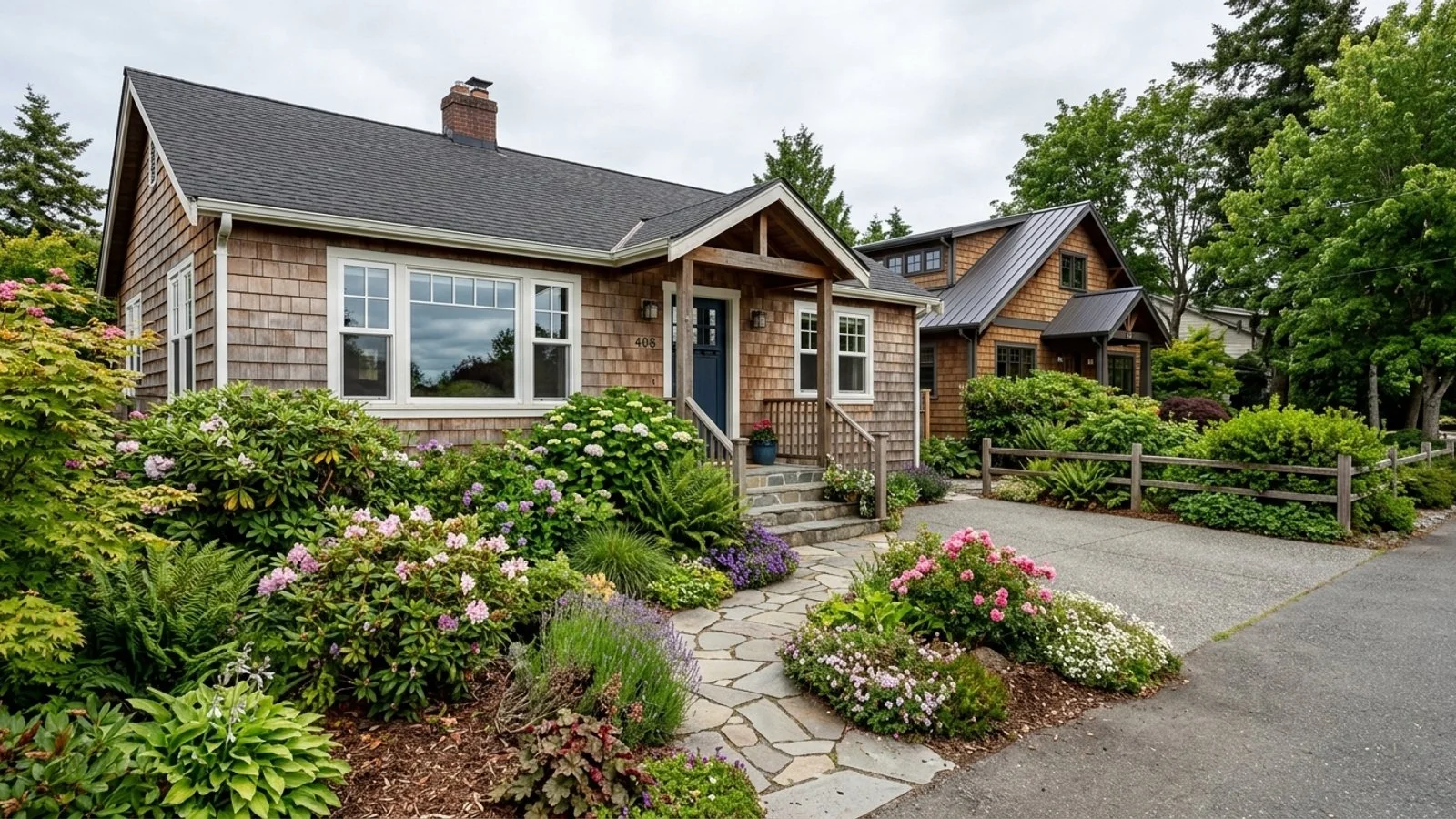
If you're shopping across Washington state right now and considering living in Coupeville, these two markets couldn't feel more different. Coupeville sits on Whidbey Island in Island County - maritime, island-bound, and distinctly Pacific Northwest coastal. Richland anchors the Tri-Cities in Benton County, planted firmly inland on the other side of the Cascades.
The geographical gap between them is obvious. What's less obvious, until you pull the numbers, is how differently they behave financially. Median sale prices, property tax rates, and day-to-day living costs all tell a story worth understanding before you commit to either side of the state.
Real Estate Prices and Market Trends
As of May 2026, Coupeville's median sale price sits at around $470,800. Homes there are moving - roughly 17 days on market before going under contract - and Island County currently shows about 3.5 months of available supply. That's not a glut. Sellers are still getting close to what they're asking, with an average sale-to-list ratio of about 97.5%, and half of recent sales have closed above list price. So yes, Coupeville saw a slight year-over-year dip in median sale prices, but that hasn't translated into buyer leverage you'd necessarily feel at the table.
Richland comes in at a higher price point. The median sale price hit approximately $505,000 in mid-2026, and Movoto lists a median list price of $525,000 for the Benton County city. On paper, Richland is the pricier purchase. Whether that holds once you factor in everything else is where it gets interesting.
Cost of Living and Property Taxes
Coupeville's cost of living index runs 27% above the national average. Depending on the source, that puts the overall index somewhere between 121.2 and 128 on a 100-point scale. Groceries, utilities, everyday expenses - island life adds up.
Richland runs the opposite direction. The Tri-Cities hub comes in about 5% below the national average for overall living costs. That gap matters month to month.
Property taxes are worth breaking down separately, because the picture is a little counterintuitive. Coupeville's median effective property tax rate falls between 0.73% and 0.78% - below both the Washington state median and the national median of 1.02% - producing a median annual tax bill of roughly $3,875. Richland's effective rate is slightly higher, estimated between 0.79% and 1.08% depending on where exactly you land in Benton County. But because overall property values there sit lower relative to broader state averages, the median annual tax bill runs between $2,550 and $3,596. So Richland can carry a higher rate and still generate a lower bill. That's the kind of detail that disappears in a headline comparison.
Geography and Commuting Realities
Coupeville is on an island. That single fact shapes everything about daily life there in ways that don't fully register until you're living it. Demographic data shows residents typically deal with long daily commute times, and that's not a surprise - getting on and off Whidbey Island involves specific routes and regional infrastructure that add real time to any trip.
Richland's inland position within the Tri-Cities connects directly to major road networks. Specific commute averages vary by neighborhood and destination, but there's no ferry or island crossing in the equation.
Frequently Asked Questions
How much more expensive is buying a home in Coupeville, WA compared to Richland?
The median sale price in Coupeville is around $470,800 versus approximately $505,000 in Richland - so the purchase price is actually lower in Coupeville. What closes that gap fast is everything after the keys: Coupeville's overall cost of living runs 27% above the national average, while Richland's sits 5% below it.
What are the biggest lifestyle differences between living on Whidbey Island in Coupeville versus the Tri-Cities area in Richland?
Geography drives most of it. Coupeville is an island-based coastal community in Island County with higher daily living costs. Richland is an inland city in Benton County with more affordable overall expenses. Those two realities ripple through nearly every aspect of how you'd live in each place.
How does the coastal climate in Coupeville, WA compare to Richland's desert weather for year-round residents?
Coupeville sits on Whidbey Island in a coastal environment. Richland is inland within the Tri-Cities. Those distinct geographical settings define what year-round life looks and feels like in each location.
Is Coupeville or Richland a better real estate market for retirees versus working professionals?
Both markets draw buyers across a range of budgets and priorities. The honest answer is: run your numbers. Coupeville's cost of living is 27% above the national average; Richland's is 5% below. Where that lands for you depends entirely on your income, your lifestyle, and how often you need to leave the island.
What are the hidden costs or downsides of buying a house in Coupeville instead of Richland?
The cost of living gap is the main one - 27% above the national average in Coupeville versus 5% below in Richland. On top of that, Coupeville residents typically face longer daily commute times, which is a direct consequence of living on an island.
Does relocating to an island community like Coupeville complicate the closing and moving process compared to Richland?
Standard Washington state real estate contracts and closing procedures apply to both markets equally. The legal and financial steps of purchasing don't change because one home is on Whidbey Island. Logistics of physically moving your belongings there are worth thinking through ahead of time, but the transaction itself works the same way.