Living in Coupeville, WA: The Real Pros and Cons
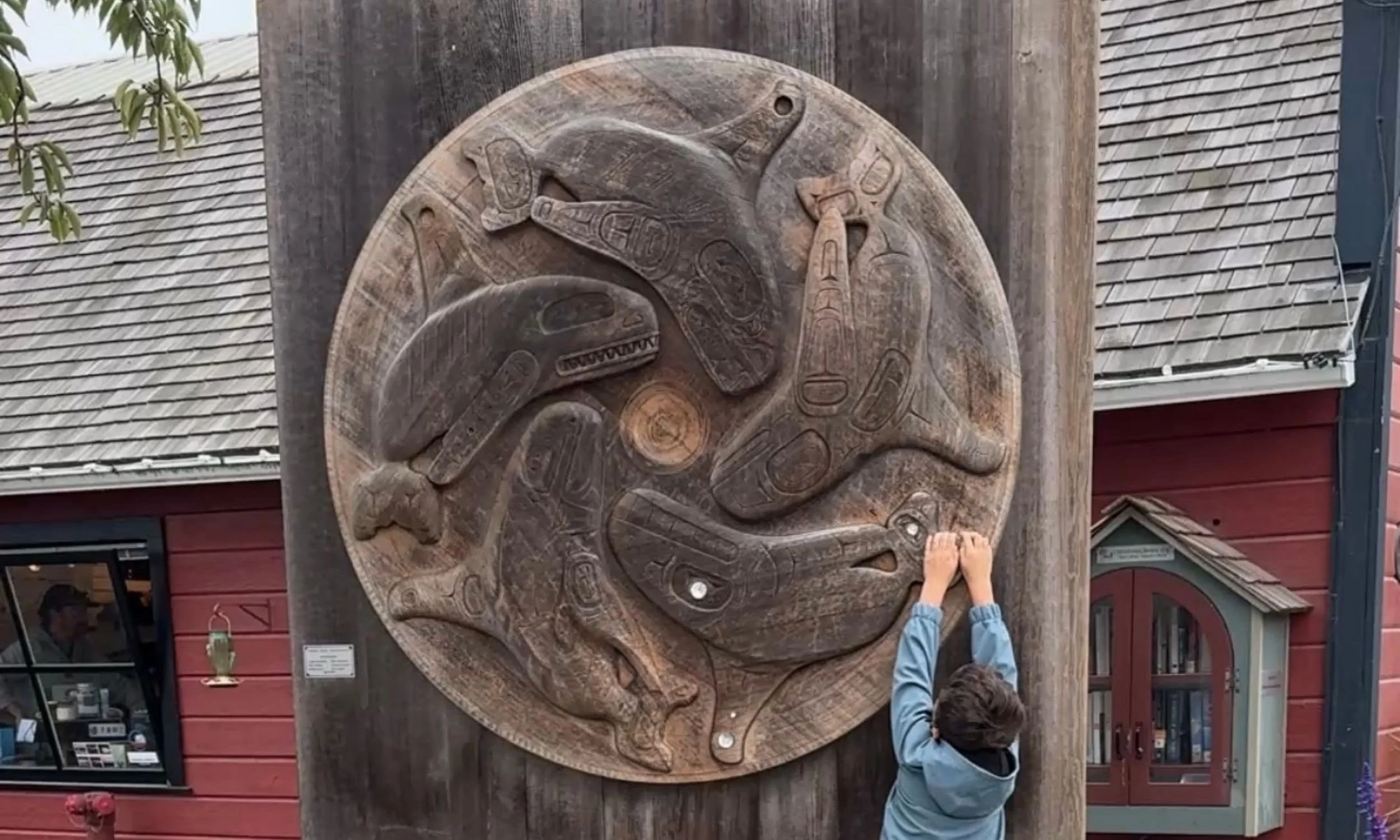
If you’ve seen the movie Practical Magic, you already have a sense of Coupeville. It’s Washington’s second-oldest town, sitting gracefully on the edge of Penn Cove with historic false-front buildings that look like they haven't changed in a hundred years. When visitors first arrive, they see the mussel rafts floating in the water and the mountains in the distance, and they think they’ve found a secret paradise.
And in many ways, they have. But moving here is different than visiting for a weekend festival. The population is a unique mix of farmers, artists, retirees, and Navy personnel, all sharing a relatively small slice of Central Whidbey. While the scenery is idyllic, living here requires navigating some very specific local trade-offs—mostly involving sound and isolation.
If you are thinking about buying in Coupeville WA, you need to look past the postcard view. Let’s sit down and look at what daily life is actually like, from the sunshine to the jet noise.
The Pros of Living in Coupeville
For the people who stick around, the benefits of this town are hard to beat anywhere else in the Pacific Northwest. You aren't just buying a house; you're buying into a federally protected reserve that prioritizes landscape over development.
Historic Small-Town Charm
You are literally living inside history here. Coupeville is the heart of Ebey’s Landing National Historical Reserve. Strict preservation rules mean you won’t see strip malls popping up in the middle of heritage farmland or drive-thru coffee stands downtown (there is one just out of town though 😉). The aesthetic is protected, keeping that rural, maritime feel intact. It’s walkable, friendly, and visually consistent in a way few towns are.
The "Banana Belt" Climate
This is the secret weapon of Central Whidbey. Because Coupeville sits squarely in the Olympic Rain Shadow, the weather here is significantly different from Seattle or even the south end of the island. You might only get around 20 inches of rain a year—about half of what Seattle gets. It’s often sunny here while it’s pouring in Everett. For gardeners and sun-seekers, this microclimate is a massive draw.
Central Location & Healthcare
While it feels small, Coupeville is actually the civic hub of the island. It is home to the county seat and, crucially, Whidbey Health Medical Center. Having the hospital right in town is a major comfort for retirees or anyone with ongoing health needs. You are also centrally located: about 15 minutes north to the big shopping amenities in Oak Harbor, or 30 minutes south to the Clinton ferry for trips to the mainland.
Outdoor Recreation
The access to nature is immediate. You don’t have to drive far to find a trail; you likely live minutes from Fort Casey State Park or the bluff trails at Ebey’s Landing, which offer some of the best hiking views in the state. If you are into water, kayaking on Penn Cove is practically a backyard activity.
The Cons of Living in Coupeville
It wouldn't be fair to talk about the charm without talking about the challenges. The biggest topic of conversation for anyone moving to Whidbey Island - specifically this central part - is usually the noise.
The "Sound of Freedom" (Jet Noise)
There is no way to sugarcoat this: Coupeville is home to the Outlying Landing Field (OLF), where Navy pilots practice touch-and-go landings. These aren't standard commercial flights; they are EA-18G Growlers, and they are incredibly loud. When they are flying, conversation pauses. The noise is intermittent—some weeks are quiet, others are active day and night—but for some residents, it is a dealbreaker. It is vital to check flight schedules and spend time here during flight ops before you commit.
Limited Conveniences
The charm of Front Street comes at a price. The shops are mostly boutiques, galleries, and restaurants that cater to tourists and locals, but they often close early—around 6:00 or 7:00 PM. If you need a big box store like Walmart or Home Depot, or if you want late-night dining options, you have to drive north to Oak Harbor. You can't just pop out for supplies at 9 PM easily.
Tourism Traffic
In the summer, the population swells. Festivals like the Penn Cove MusselFest or the Arts & Crafts Festival bring thousands of visitors. While this is great for the local economy, it clogs the minimal road infrastructure. Finding parking downtown or just driving down Main Street can become a chore during peak tourist season. Coupeville has added ample parking space in recent years but it might mean a longer walk than expected.
Isolation
Island life means you are dependent on bridges and boats. Getting to Seattle isn't a quick hop; it involves driving south to Clinton, waiting in the ferry line, and crossing to Mukilteo. Alternatively, you can drive north over Deception Pass Bridge, but that’s a long haul if you’re heading to the city. If you crave instant access to big-city events or have a daily commute to downtown Seattle, this isolation can feel restricting. On the flip side, living in Coupeville means you are equidistant to Seattle if you take the ferry or the bridge (as long as there isn’t significant traffic on either end), which means you can check the ferry cam and the traffic pattern and decide which route works better on any given day.
Coupeville Cost of Living and Housing Market
Financially, Coupeville sits in the middle ground of the island's market. It is generally more expensive than its northern neighbor, Oak Harbor, but often more affordable than the luxury markets in Langley or Freeland to the south.
Housing Costs
The market here is competitive because inventory is low. You will typically see median home prices ranging between $550,000 and $700,000, though this fluctuates with the market. Homes in Coupeville that offer waterfront views or historic provenance will naturally command a significant premium. Because the town is surrounded by the Reserve, the supply of new buildable lots is limited, keeping values steady.
Rental Market
If you plan to rent first, be prepared for a search. The rental inventory is very tight. Short-term rentals in downtown Coupeville are few and far between because of a moratorium on new ones that went into effect years ago. There are some long-term rentals and a few furnished mid-term rentals for traveling professionals. It’s not easy to find them at times, so having someone in the community, like us, helps immensely. When rentals do pop up, they tend to be expensive due to the high demand from hospital staff and military personnel.
Utilities & Taxes
Property taxes in Island County are a consideration, as is the cost of island living generally. Gas tends to be a bit pricier on the island than on the mainland. You also need to factor in ferry fares if you plan to leave the island regularly, as those costs add up for commuters.
Neighborhoods and Property Types
The "vibe" of your home will depend heavily on where exactly you land. Coupeville isn't just one single neighborhood.
Historic District
This is the area near the Wharf and Front Street. Here you’ll find gorgeous Victorian homes and smaller cottages. It’s highly walkable, charming, and puts you right in the middle of the community events. The trade-off is often smaller lot sizes and the maintenance that comes with owning a century-old home.
Admiral's Cove
Located a bit west of town, this community offers great amenities like beach access and a community pool. It’s popular and has a strong neighborhood feel. However, it is important to note that Admiral's Cove sit directly under the flight path for the OLF. Buyers here need to be especially aware of the noise exposure.
Rural/Acreage
If you want privacy, look for homes set back in the woods or on farmland near Ebey’s Landing. These properties offer the classic Pacific Northwest experience—tall trees, room for a garden, and quiet (when the jets aren't flying). This is often what people envision when they research Coupeville WA cost of living and value—getting a bit of land for their money.
Schools, Amenities, and Daily Life
Daily logistics in Coupeville are simpler than in the city, but they are definitely "small town."
Schools
The Coupeville School District is small, serving only about 1,000 students. This creates a tight-knit, community-focused environment where teachers know the families. While graduation rates are generally good, the smaller size means fewer Advanced Placement (AP) classes or specialized electives compared to those in massive districts on the mainland. Some families, like ours, opt to transfer to the much larger Oak Harbor High School when the time comes to access more CTE classes in the arts and trades.
Shopping & Dining
Your main grocery run will likely be at the Red Apple Market, which is a community staple. For dining, you have excellent access to fresh shellfish—specifically the famous Penn Cove mussels—at local taprooms and restaurants. We love to give specific recommendations depending on what kind of meal you’re looking for so feel free to text us! The lack of big-box stores is intentional and helps preserve the town's character, but it means you learn to bundle your errands when you head to "town" (Oak Harbor).
Internet & Connectivity
Despite the rural feel, connectivity is generally good in town with providers like Comcast/Ziply. However, if you choose a more secluded rural property, you might need to rely on satellite options or Starlink. It’s always smart to verify the connection speed at a specific address if you work remotely.
Who is Coupeville Best Suited For?
So, is this the right move for you?
Living in Coupeville is a fantastic landing spot for retirees who want a slower pace of life but need the security of a nearby hospital. It’s also a haven for artists, writers, and remote workers who draw inspiration from the mountains and the sea. Military families often choose living in Oak Harbor for the convenience, but many opt for Coupeville to get a break from the "base housing" atmosphere while still being a short commute away.
It is likely not for people who need vibrant nightlife, those who are highly sensitive to intermittent loud noise, or super-commuters who need to be in Seattle every morning at 8 AM.
FAQ: Living in Coupeville, WA
Is Coupeville WA a good place to live?
Yes, for the right person. If you value community, history, and outdoor access over big-city convenience, it is wonderful. It offers a high quality of life with a strong sense of place, provided you are comfortable with a slower pace and island logistics.
How bad is the jet noise in Coupeville?
It varies significantly by location and schedule. The noise from the OLF Coupeville (Navy Growler practice) can be extremely loud—literally shaking the walls in certain zones like Admiral's Cove. It is not constant, but when it happens, it is intense. Residents often check flight schedules to plan their week.
Does it rain a lot in Coupeville WA?
Surprisingly, no. Thanks to the Olympic Rain Shadow, Coupeville receives only about 20–22 inches of rain per year. This is far less than Seattle, making it one of the driest places in Western Washington.
How long is the ferry ride from Coupeville?
It depends on which ferry you mean. The ferry terminal in Coupeville (Keystone) goes to Port Townsend on the Olympic Peninsula—a beautiful 35-minute trip. If you are trying to get to Seattle, you drive south to the Clinton ferry, which takes about 20 minutes to cross to Mukilteo.