Cost of Living in Coupeville, WA: 2026 Prices and Daily Expenses
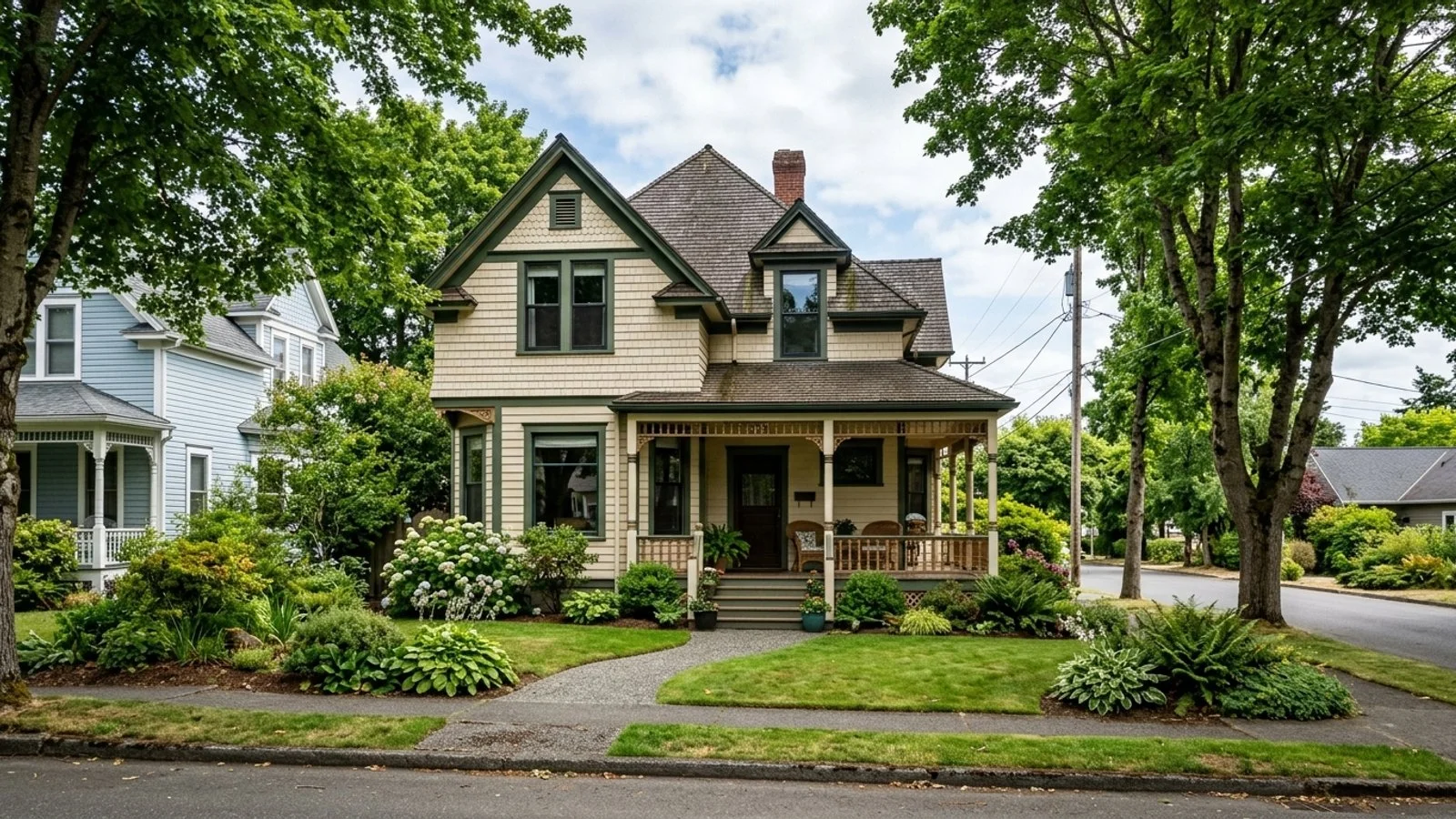
If you're thinking about moving to Whidbey Island, the cost of living in Coupeville, WA deserves a hard, honest look. It's the second-oldest town in Washington state, it has the waterfront and the historic architecture, and yes, it's genuinely beautiful - but island logistics show up in your budget every single month, and buyers who don't plan for that get surprised.
The scenery is easy to fall for. The numbers require more discipline. From housing to groceries that arrive by ferry or over Deception Pass, mapping out your actual expected costs before making an offer here in 2026 is not optional.
Coupeville Cost of Living at a Glance
Housing and transportation eat the largest share of a Coupeville resident's monthly budget. That's true in most markets, but it plays out differently here because you're on an island - and that geography changes where the money goes in ways that don't show up in a standard cost-of-living calculator.
Buyers coming from Seattle or out of state will feel those shifts. Certain taxes may be lower depending on where you're coming from, but everyday goods tend to carry a slight premium because someone had to pay to get them across the water. That cost lands on you at the register.
Housing Costs: Home Prices and Rent in Coupeville
The median home price in Coupeville is around $470,800 as of mid-2026. Homes are selling in roughly 17 days on market - not lightning fast, but steady enough to tell you demand is real against limited inventory.
Properties are generally closing at about 97.5% of list price. With only about 3.5 months of supply and around seven active listings at any given time, you're not going to have a lot of options sitting around waiting. Whether you're renting or buying, patience is part of the process here.
How Housing Compares Across Whidbey Island
Oak Harbor is to the north, Langley is to the south, and Coupeville sits between them. Oak Harbor runs higher volume with somewhat different price points - the naval base presence and a larger commercial sector give it a different character entirely.
Coupeville's small footprint and historic building restrictions mean new development is rare. That keeps property values stable, but it also means affordable rentals are genuinely hard to come by for people just arriving.
Everyday Expenses: Utilities, Groceries, and Transportation
Island geography has a direct effect on what you pay for groceries and fuel. Most consumer goods come in via the Deception Pass bridge or the Washington State Ferries system, and those transit costs don't disappear - they get built into what you pay at the store.
How much you spend on transportation depends almost entirely on how often you leave the island. If you're commuting to Everett or Seattle for work, ferry passes and fuel are real line items in your monthly budget, not afterthoughts. Run those numbers before you commit.
Healthcare and Childcare Considerations
Local healthcare is available on Whidbey Island, but specialized care usually means a trip to the mainland. Those travel costs belong in your annual healthcare budget - not as a worst-case scenario, but as a realistic baseline.
Childcare options are limited to facilities within the Coupeville and Oak Harbor areas. If you have young children, start researching waitlists and monthly rates well before your move date. Spots fill up, and being caught off guard with a newborn and no childcare is a rough way to start island life.
Taxes in Washington State and Island County
Washington has no personal state income tax. For people relocating from high-tax states, that's a genuine difference in take-home pay, and it's one of the real financial arguments for the Pacific Northwest.
The state funds public services through sales taxes and property taxes instead. Island County sets local levies that cover schools, fire districts, and county services - those show up either as an annual bill or rolled into your monthly mortgage payment, depending on how your loan is structured.
Before you close on anything, pull the specific tax history on that property. Rates shift slightly depending on whether you're inside Coupeville's town limits or in the surrounding unincorporated county, and that difference is worth knowing about ahead of time.
Salaries and Income Needed for Coupeville
Supporting a $470,800 median home purchase means your household income needs to carry a monthly mortgage payment plus property taxes and insurance. Lenders generally want to see housing costs stay under 28% of your gross monthly income - that's the standard benchmark, and it's a reasonable place to start your math.
From there, add island transportation and everyday expenses on top of that housing baseline to figure out what "comfortable" actually looks like here. Remote workers holding onto mainland salaries tend to find Coupeville financially workable. Local wages in hospitality, agriculture, and retail don't always keep pace with what it costs to buy a home here - so if you're relying on local employment, lock down the job and verify the salary before you're under contract on a mortgage.
What Drives Coupeville Real Estate Prices?
About 3.5 months of housing supply keeps Coupeville firmly in seller's market territory. The town's small footprint and protected historic areas block the kind of large-scale suburban development that would loosen things up.
Geography does the rest. Penn Cove on one side, agricultural reserves on the other - there's not much vacant land left for new subdivisions. Inventory stays low because it has nowhere to go.
Demand holds steady from retirees, remote workers, and military personnel stationed nearby. That consistent pressure from buyers competing over a handful of active listings is what sustains current price levels. Don't expect that dynamic to shift dramatically anytime soon.
Is Coupeville a Good Place to Live? Pros and Cons
Waterfront access, a historic commercial district, proximity to state parks, a pace of life that's genuinely slower than the Seattle metro - those are real advantages, not marketing copy.
The trade-offs are just as real. Big-box shopping, major airports, and specialized services all require driving off the island, and during peak tourist season or bad weather, that drive takes longer than you'd like. Ferry schedules are not always on your side.
People who do well here tend to be the ones who appreciate the environment and plan their errands accordingly. If you need to run three kinds of errands on a Tuesday night after work, this probably isn't the right fit. If you don't mind batching your mainland trips and you value what the island actually offers, the math tends to work out.
Frequently Asked Questions
How much more expensive is buying a home in Coupeville compared to neighboring Oak Harbor?
It depends on the specific property and neighborhood. Coupeville's median home price sits at roughly $470,800, and limited inventory often makes it pricier than Oak Harbor, which has more housing developments and higher overall volume.
Do residents pay an 'island premium' for groceries and utilities in Coupeville, WA?
Yes. Everyday goods generally cost more on Whidbey Island because transporting groceries and fuel via ferry or bridge adds costs that get passed to the consumer at the register.
What are the hidden costs of buying and maintaining a home in Coupeville's historic district?
Homes in the historic district often come with binding design guidelines. Updating exteriors, repairing older foundations, and sourcing approved building materials can push standard maintenance costs noticeably higher than you'd expect.
How much should I budget for transportation and ferry fees if commuting off Whidbey Island?
It depends on your commute frequency and vehicle size. Daily commuters should check current Washington State Ferries rates for multi-ride passes - those fees add up quickly over the course of a month.
Are property taxes higher in Coupeville than the Washington state average?
It depends on the exact location and local levies. Island County property taxes fund specific local services, and rates differ slightly between town limits and unincorporated areas.
What household income is realistically needed to live comfortably in Coupeville?
It depends on your down payment and existing debt levels. The starting point is an income that can comfortably carry a mortgage on a $470,800 median-priced home, plus the added costs of island transportation on top of that.