Winter on Whidbey Island: The Season Locals Secretly Love Most
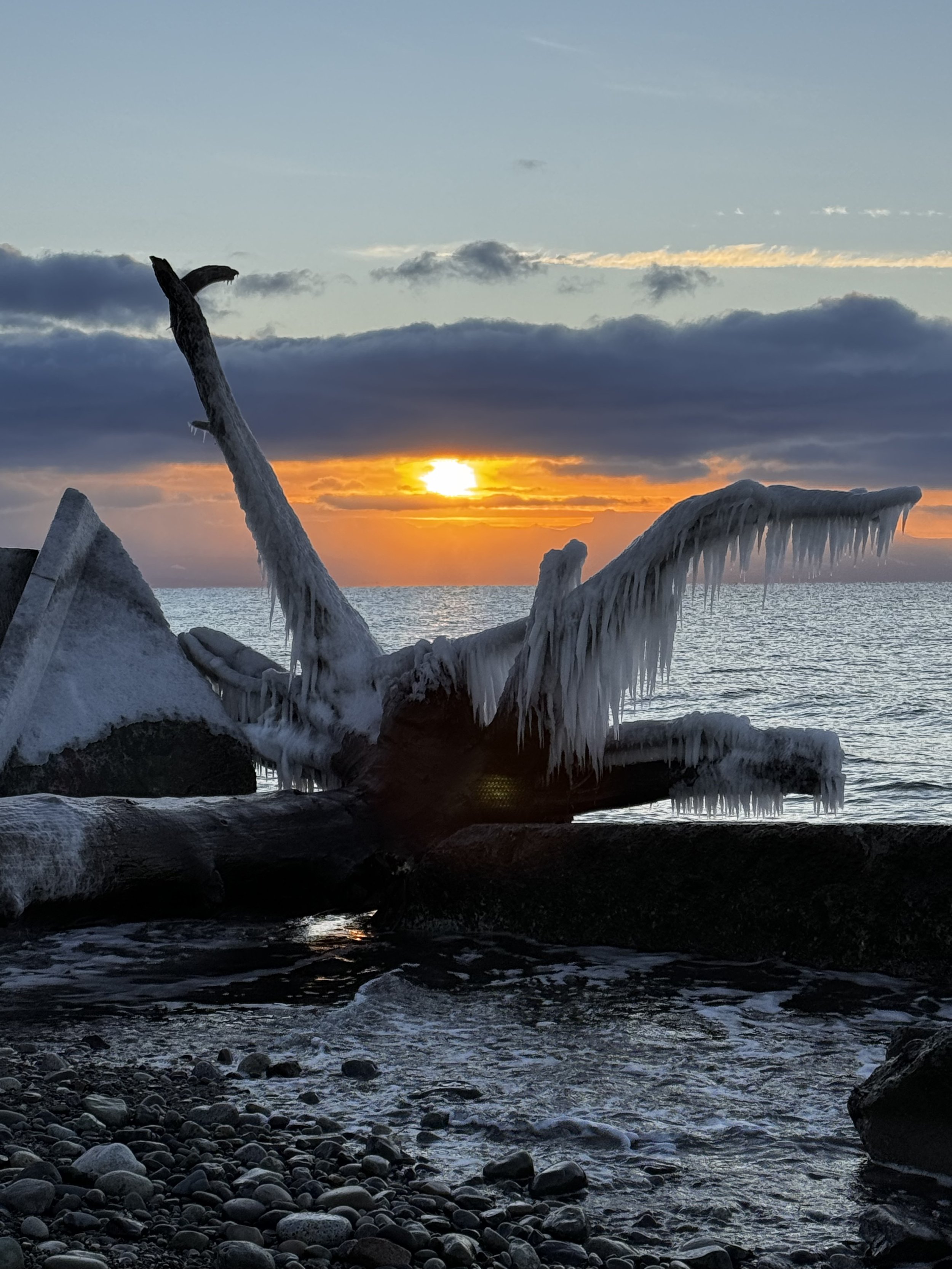
The Winter Shift
There’s a moment in late fall when Whidbey shifts. The crowds thin, the light turns honey-soft, and the island feels like it exhales. Winter here isn’t about hunkering down as much as it is about settling in—into quieter beaches, fog-draped evergreens, and cozy community rituals that make island life feel even more personal.
If you’re considering a move (or simply want to make the most of the season), here’s what winter living on Whidbey really looks like—and why so many of us wouldn’t trade it for anything.
The weather: mild, maritime, and a little moody—in the best way
Whidbey winters are famously temperate for the Pacific Northwest. Temperatures rarely dive into the truly bitter zone, snow is more “special guest appearance” than seasonal certainty, and the island stays green year-round thanks to our maritime climate. Expect foggy mornings, a steady rotation of soft drizzle, and those crystalline breaks of sun that make you drop everything and head to the beach.
One important detail: Whidbey has microclimates. Translation? Your winter experience can vary depending on where you live—north end, central, or south end can feel like different little worlds on the same day. When we lived in Langley, and it was snowing, I remember calling my parents in Coupeville, where it was a clear winter's day, AT THE SAME TIME!
Local tip: Build your winter kit around layers—warm base, waterproof shell, and boots you don’t mind getting sandy. The island rewards the prepared.
The everyday magic: empty beaches, dramatic skies, and eagle season
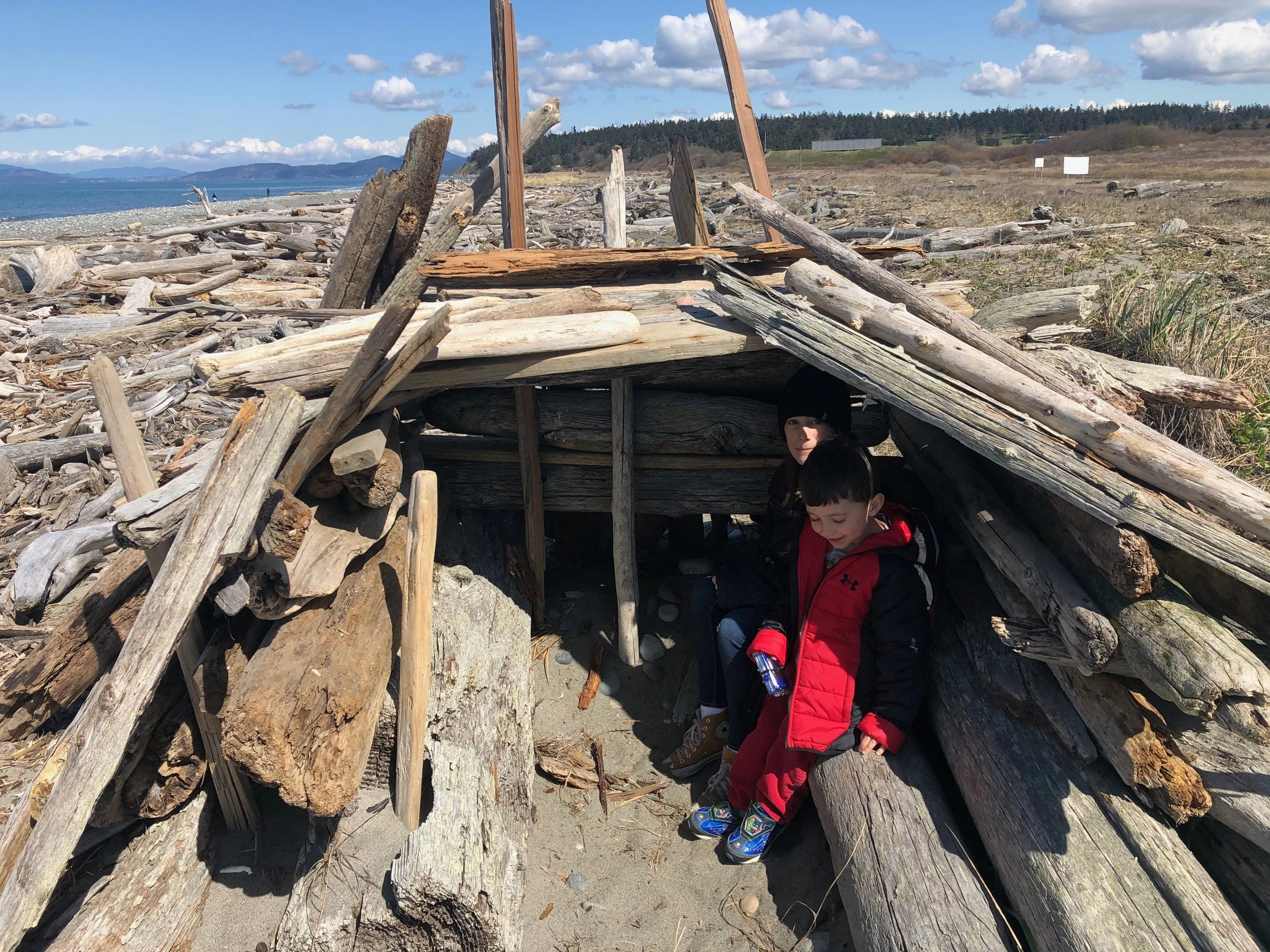
Winter is when Whidbey’s natural beauty feels the most intimate. Beach walks become quieter (you might have an entire stretch to yourself), and the skies put on a show—stormy, steel-blue, and constantly changing.
It’s also a season for wildlife spotting. Bald eagles are a familiar winter presence, and the slower pace makes it easier to notice the details: the sound of waves over stones, the scent of cedar after rain, the way the light hits the water at 3:45 PM like it’s staged.
If you’re new to island life, this is the time you start finding your places—your thinking trail, your favorite overlook, your “quick beach stop” that somehow becomes an hour.
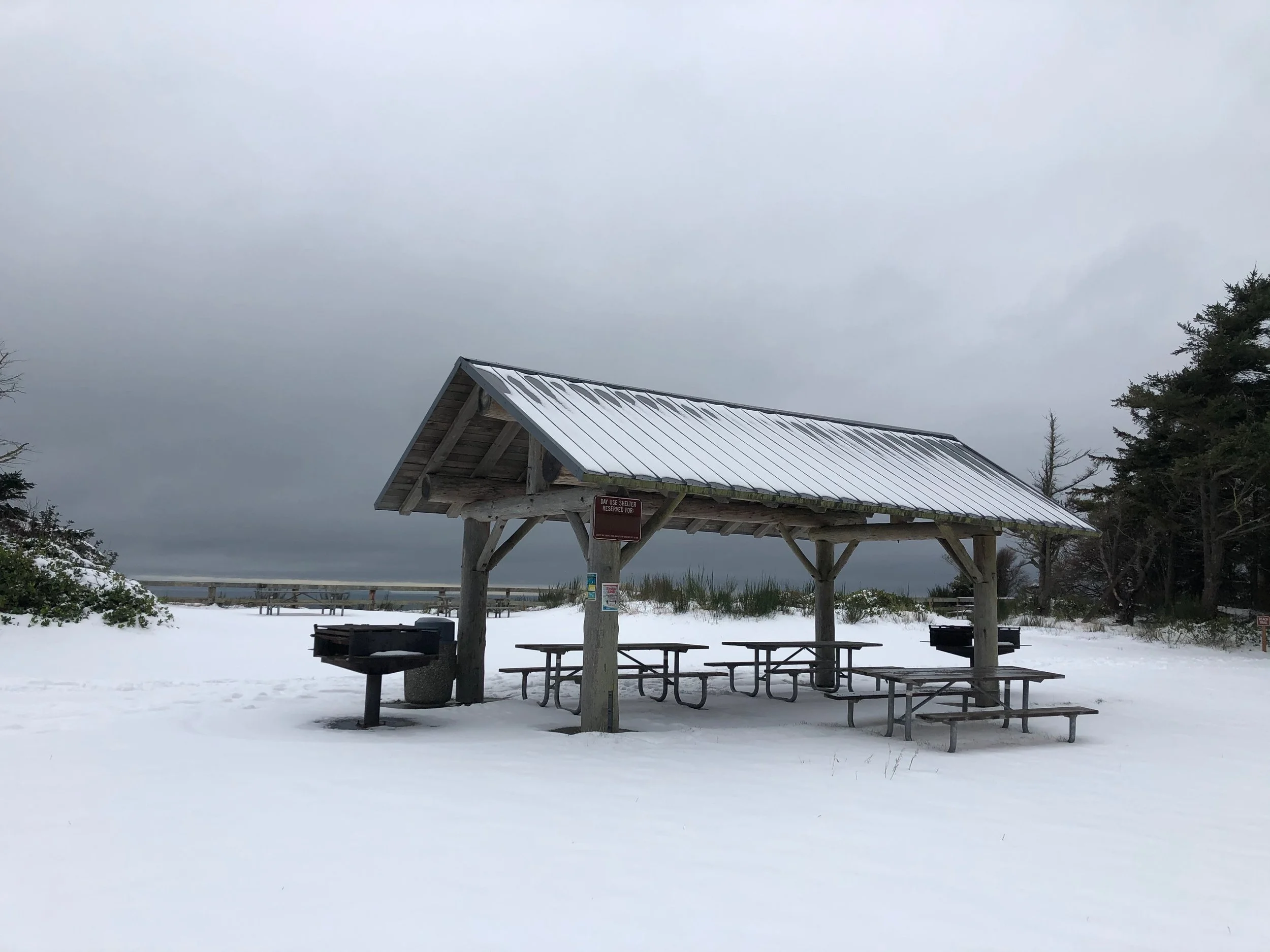
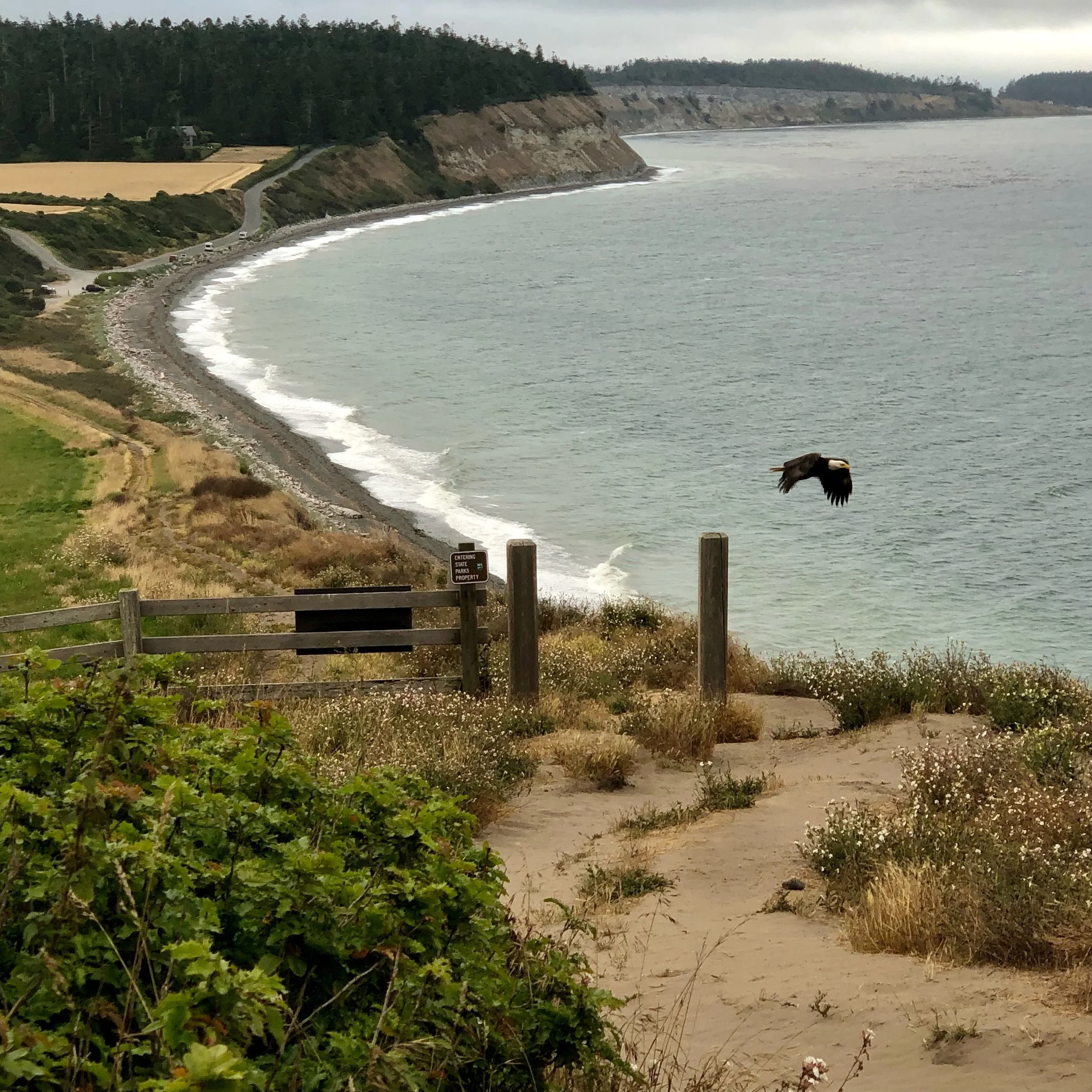
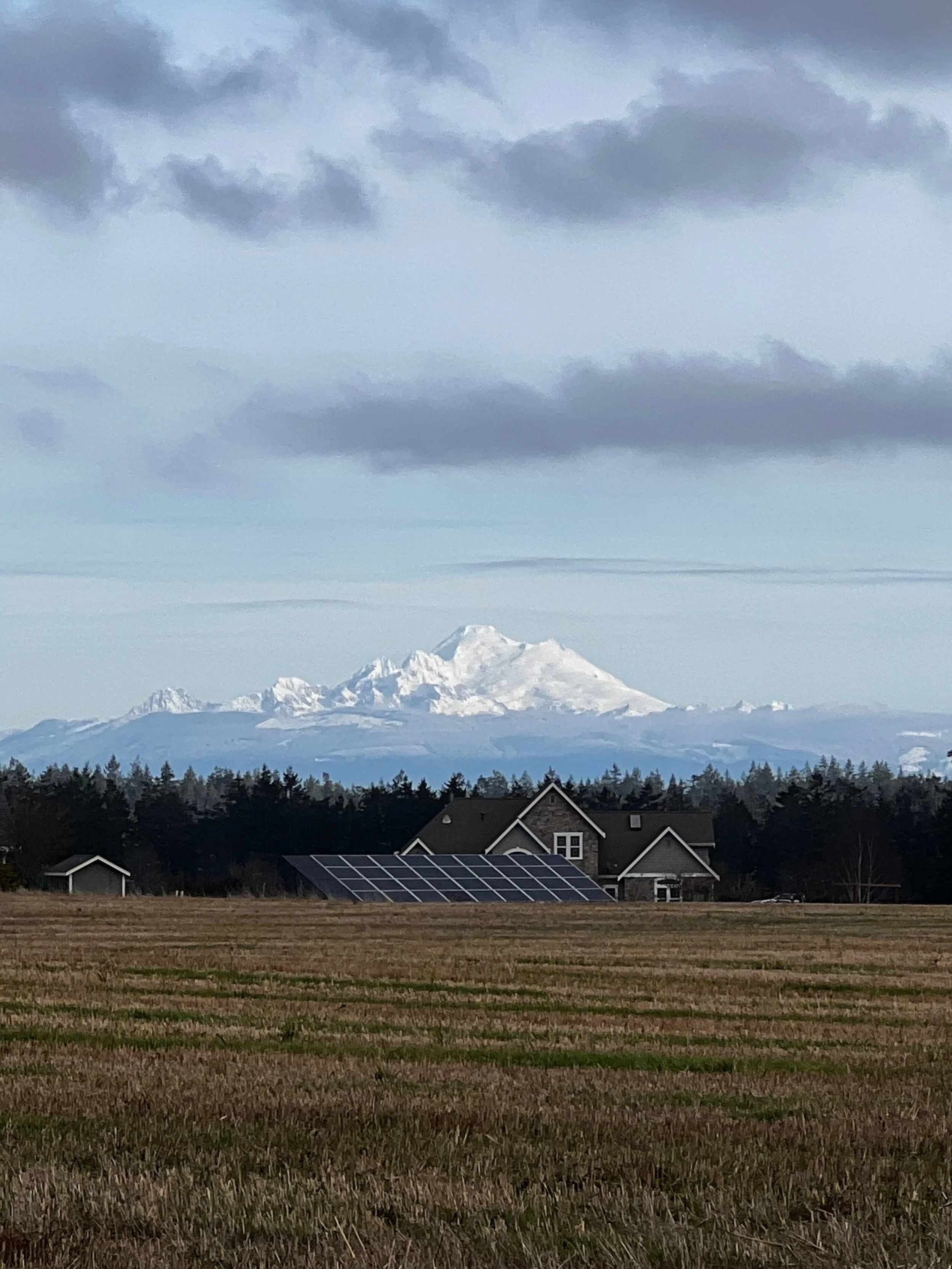

Winter adventures that don’t require “hardcore outdoorsy” energy
You don’t have to summit anything to enjoy Whidbey in winter. Think “fresh air with a warm drink afterward.”
A few local favorites:
Fort Ebey + Ebey’s Bluff trails for big views and that satisfying winter wind-in-your-cheeks feeling.
South Whidbey State Park for mossy forest trails under old growth, with the kind of quiet you can feel.
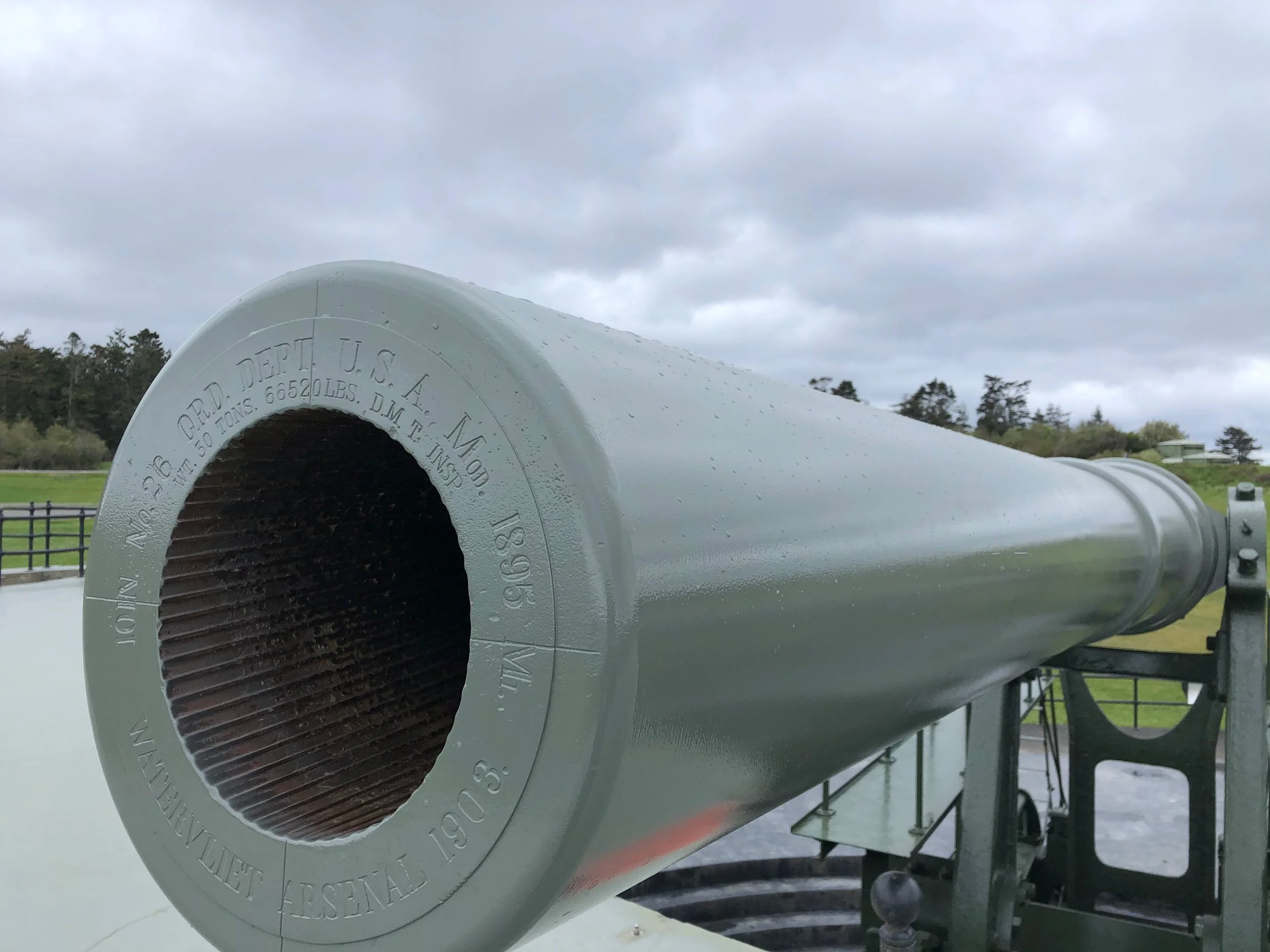
Fort Casey for lighthouse views, history, and wide open space when you need to clear your head.
Price Sculpture Forest for a rainy-day-friendly outdoor art wander (perfect for visiting friends who “aren’t hikers”).
The cozy side of the island: warm tables, good food, and small-town glow
Winter is peak “let’s meet for soup / chowder / something baked.” And Whidbey does cozy exceptionally well.
Some delicious starting points:
In Coupeville, locals rave about pizza and creative comfort food at Goldie’s & The Roost.
In Langley, Saltwater Fish House is a go-to for vibrant seafood (and a great place to bring someone you want to impress—quietly).
In Clinton, Pickles Deli is legendary for sandwiches that somehow taste even better when it’s raining.
And one of the underrated joys of winter? The arts. Whidbey’s creative community shines year-round—galleries, performances, and cultural events are part of what makes the island feel alive, even in the quiet season.


Practical winter living: what your house will thank you for
Winter on an island brings a slightly different set of homeownership rhythms—especially if you’re coming from a city.
A few smart, grounded considerations:
Heating & efficiency matter. Heating costs can vary a lot depending on your home’s size, insulation, and energy source—winter is when good windows and thoughtful upgrades really show their value.
Utilities differ by location. Some areas (City of Oak Harbor, Town of Coupeville, and City of Langley) may have public sewer/water, while others rely on systems like septic. Almost everyone is on a well. When the power is out this can cause issues. Understanding what you’re buying is part of living here and something we take very seriously to educate our buyers on.
Storm readiness is simple, not scary. A few basics go a long way: flashlights, a charged battery pack, extra blankets, drinking water and a plan for a windy night and a couple days without power.
This is also where our team’s background becomes especially valuable: Whidbey homes are beautiful and nuanced—shoreline considerations, septic systems, and island-specific infrastructure aren’t intimidating when you have the right advisors.
Getting around in winter: ferries, freedom, and a little extra planning
Island life teaches you to think one step ahead—especially in winter.
A few helpful truths:
There are two ferry routes serving Whidbey: Mukilteo–Clinton (south end) and Coupeville–Port Townsend (west Coupeville area). High winds and wild seas can force these runs to close temporarily.
Island Transit buses are free, which can be a surprisingly great resource for errands and off-island connections. If you’re nervous about driving in the dark or with ice this might be an option.
Rideshare like Uber/Lyft aren’t reliably established on the island yet, so it’s good to have a local plan (friends, taxis, or your own vehicle).
Winter doesn’t make Whidbey hard—it just makes it more intentional. And honestly, that’s part of the charm.
Why winter is a wonderful time to fall in love with Whidbey
If summer is Whidbey’s bright smile, winter is its true personality: quieter, thoughtful, deeply beautiful, and full of little moments that make you feel like you belong.
You’ll learn the island’s slower cadence. You’ll find the café that remembers your order. You’ll discover that a rainy Tuesday can still be the best day of your week.
And if you’re considering a move—winter is also a surprisingly good season to explore neighborhoods and homes with clear eyes. You’ll see how a house lives in the season that asks the most of it. I love when the home inspection falls on a rainy day so we can really see what’s going on.
When you’re ready, we’re here—Your real estate advisors for Whidbey Island, with a wealth of knowledge working for you.